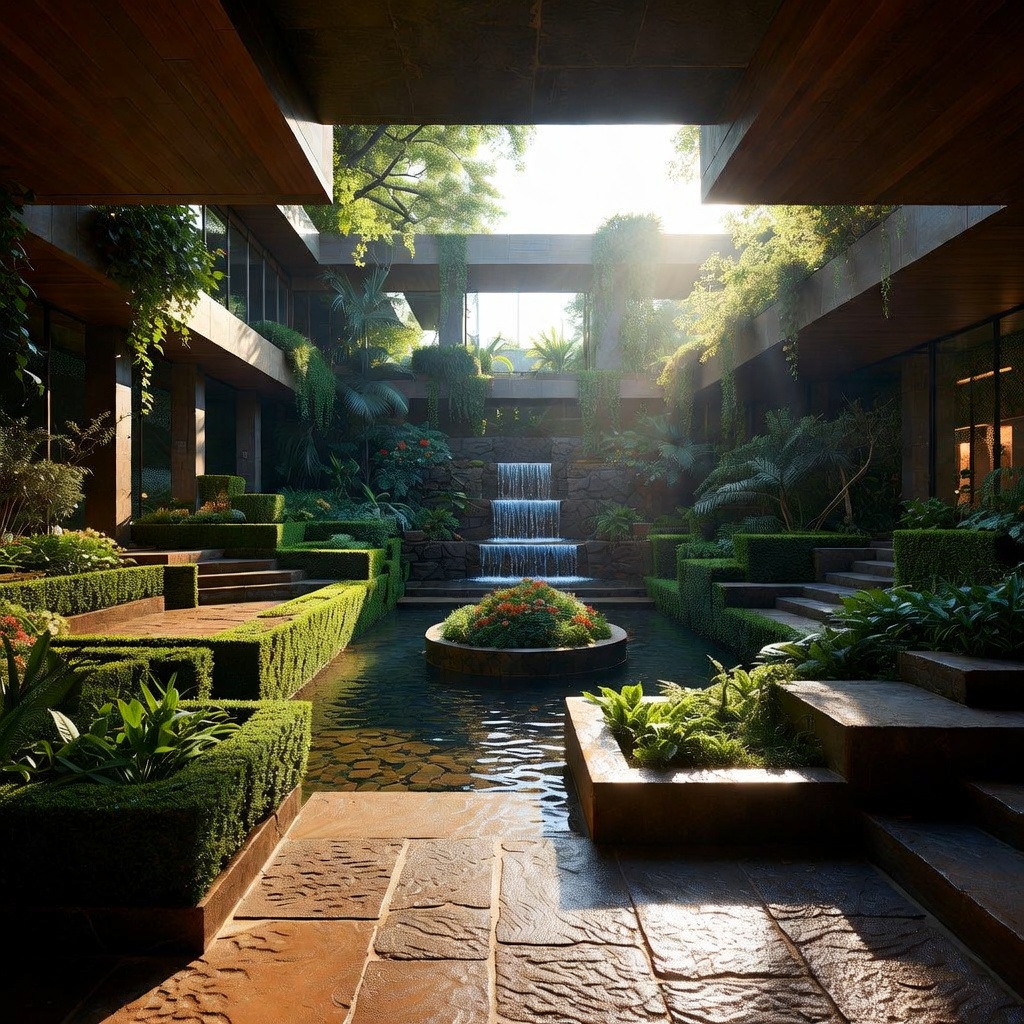
In a world buzzing with deadlines and digital distractions, imagine stepping into a green haven where the air hums with birdsong, petals brush your fingertips, and worries melt away like morning dew. Therapeutic garden design isn’t just landscaping—it’s an art form that harnesses nature’s gentle power to nurture mental, emotional, and physical well-being. Whether for hospitals, community spaces, or your own backyard, these gardens transform ordinary plots into living therapy sessions.
At its core, a therapeutic garden is intentionally crafted to promote healing. Rooted in horticultural therapy—a practice backed by studies from organizations like the American Horticultural Therapy Association—these spaces address everything from anxiety and depression to rehabilitation after illness. Research shows that spending just 20 minutes in such a garden can lower cortisol levels, the stress hormone, while boosting serotonin for a natural mood lift. It’s no wonder they’re staples in settings like cancer centers and senior living facilities, where patients report feeling more connected and empowered.
So, how do you design one? Start with intention. Consider your users: Are they mobility-challenged elders needing wide, smooth paths? Or children with autism spectrum disorders who thrive on sensory stimulation? Accessibility is key—think wheelchair-friendly ramps, raised beds at varying heights, and non-slip surfaces. Layer in the five senses to create immersion. For sight, plant vibrant perennials like lavender’s purple spikes or sunflower’s golden faces. Sound comes from rustling leaves, wind chimes, or a bubbling fountain that drowns out urban noise. Touch invites interaction: fuzzy lamb’s ear, smooth river rocks, or aromatic herbs like rosemary that release scents when brushed.
Scent and taste add depth—herb spirals with mint and basil not only smell divine but encourage mindful harvesting, fostering a sense of accomplishment. Safety matters too: Avoid toxic plants like foxglove near kids, and opt for native species that require less maintenance, reducing frustration for novice gardeners. Incorporate zones for different activities—a quiet meditation nook with benches amid ferns, an active path for gentle walking, or a communal fire pit for social bonding.
Real-world examples inspire. The Maggie Centers in the UK, gardens attached to cancer hospitals, feature wildflower meadows and reflective ponds that offer solace during tough treatments. Closer to home, backyard adaptations can be simple yet profound: A small patio garden with vertical planters saves space while providing therapeutic weeding sessions that ground the mind.
Creating your therapeutic garden doesn’t demand a green thumb or a fortune—just patience and purpose. Begin small: Sketch a layout, consult local experts for climate-suited plants, and involve your “patients” in the process for buy-in. As you dig in, you’ll find the real magic: Not just in the blooms, but in the personal growth they spark. In these verdant retreats, healing isn’t passive—it’s a partnership with the earth, one petal at a time. Why not let your garden become your therapist today?
Comments are closed