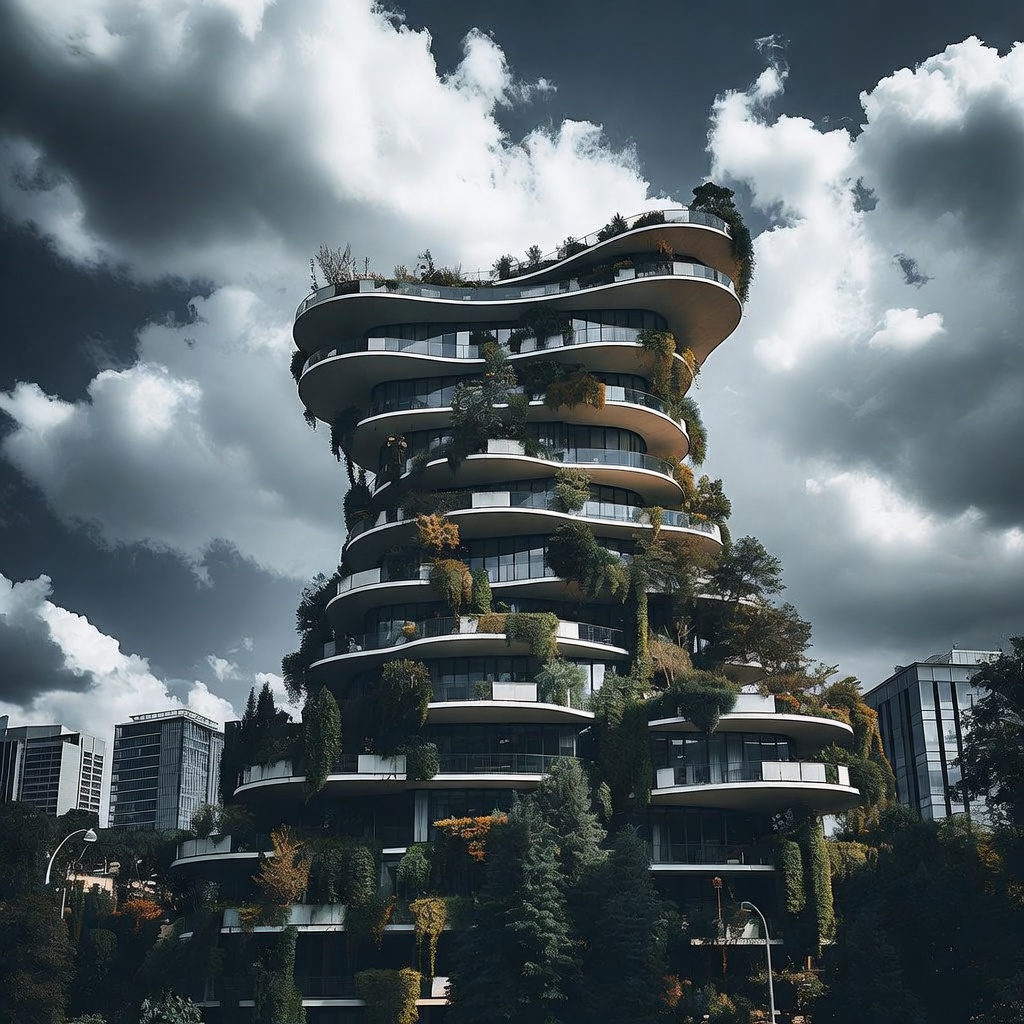
In the concrete jungle of modern cities, where skyscrapers scrape the clouds and green space is a luxury, urban dwellers are turning to the skies for salvation. Enter vertical gardens—lush, living walls that climb buildings, balconies, and even abandoned billboards, transforming vertical real estate into verdant paradises. These innovative green facades aren’t just pretty; they’re a smart response to urban challenges like food scarcity, pollution, and shrinking habitats. Imagine plucking fresh basil from your apartment wall or watching a cascade of ivy purify the air you breathe. It’s not sci-fi; it’s the future of city gardening, and it’s blooming right now.
Vertical gardens, also known as green walls or living walls, stack plants in layers using hydroponic systems, soil pockets, or modular panels. Pioneered in the 1980s by French botanist Patrick Blanc, they’ve exploded in popularity amid climate concerns and the rise of urban farming. In space-strapped metropolises like Singapore and New York, they’re more than decorative—they’re essential. Take Singapore’s Gardens by the Bay, where supertrees mimic tropical forests, cooling the air and generating solar energy. Closer to home, Brooklyn’s rooftop vertical farms yield thousands of pounds of veggies annually, proving that even in the densest boroughs, fresh produce is possible.
The perks are stacked as high as the gardens themselves. First, they maximize space: a single wall can support dozens of plants without gobbling floor area, ideal for tiny apartments or community plots. Environmentally, they combat the urban heat island effect by providing natural insulation—studies show they can lower building temperatures by up to 10 degrees Fahrenheit, slashing energy bills for air conditioning. Air quality gets a boost too; plants like ferns and pothos filter pollutants, absorbing CO2 and releasing oxygen. For foodies, edible vertical gardens grow herbs, lettuces, strawberries, and even dwarf tomatoes, reducing your carbon footprint by cutting food miles. Aesthetically? They’re showstoppers, turning drab facades into Instagram-worthy art that boosts property values.
Getting started is easier than you think, even for black-thumbed beginners. DIY options range from simple PVC pipes filled with soil to high-tech felt pockets with automated irrigation. Choose sun-loving plants like succulents for south-facing walls or shade-tolerant ferns for dimmer spots. Key to success: proper watering—drip systems prevent over-saturation—and regular pruning to avoid overload. Challenges exist, like ensuring structural support for heavier setups or battling pests in humid cities, but solutions abound, from pest-repellent companion planting to lightweight aeroponics.
As cities densify, vertical gardens offer a blueprint for sustainable living. They’re democratizing access to nature, fostering biodiversity in bird-friendly designs, and even supporting mental health—tending a living wall can be therapeutic amid urban stress. From Milan’s Bosco Verticale, a pair of residential towers draped in 900 trees, to guerrilla gardeners greening alleyways, these upward oases signal a greener horizon. So, why not stack your own? In a world racing vertical, let’s grow up—literally—and reclaim our cities one leaf at a time.
Comments are closed