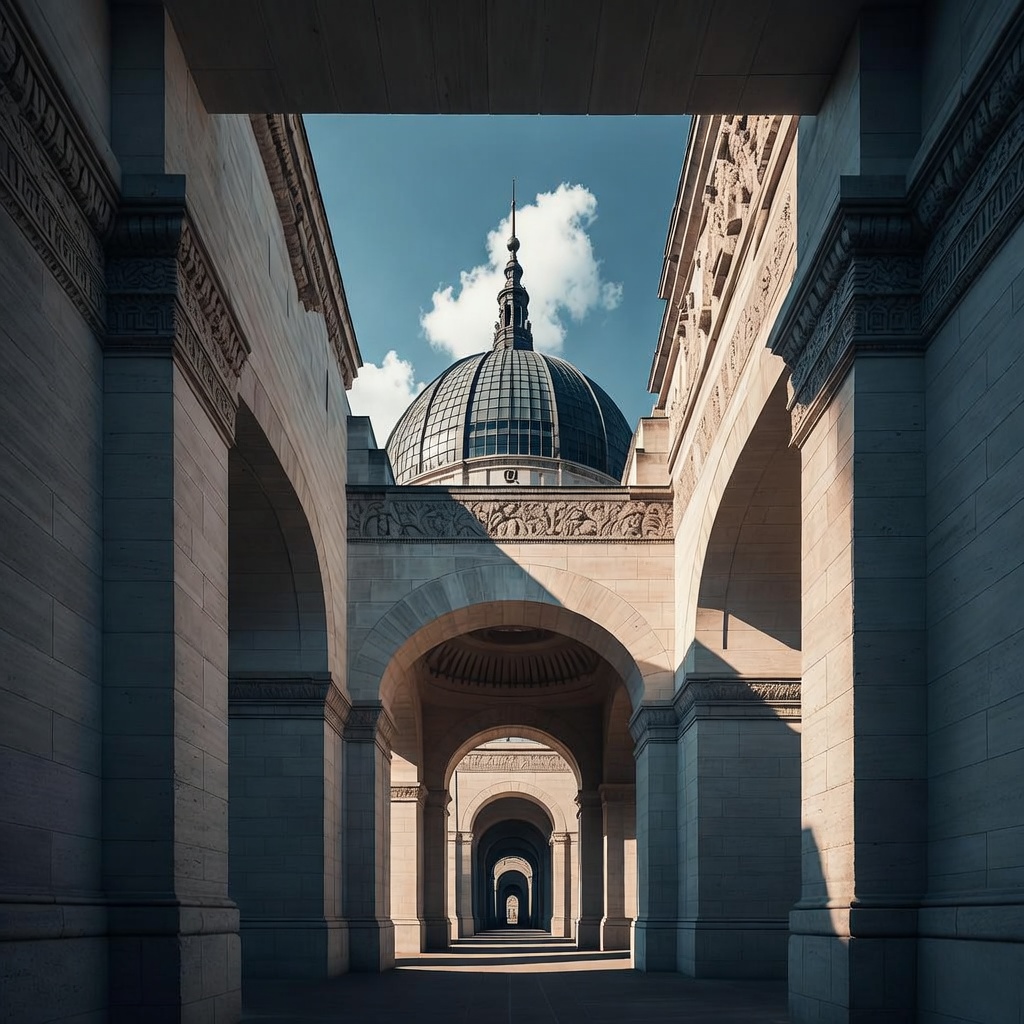
Imagine strolling through a bustling city park where the cacophony of traffic fades into a gentle chorus of rustling leaves, distant birdsong, and the soft trickle of a hidden fountain. This isn’t mere coincidence—it’s the deliberate craft of soundscape architecture, a field that’s reshaping how we experience spaces. Unlike traditional architecture, which focuses on visuals and structure, soundscape architecture tunes into the auditory layer, designing environments where sound enhances harmony rather than overwhelms.
At its core, soundscape architecture draws from the work of pioneers like R. Murray Schafer, who coined the term “soundscape” in the 1970s to describe the acoustic environment as an ecosystem. It’s about curating sounds—natural, human-made, or engineered—to foster emotional and psychological well-being. Architects and acousticians collaborate to map “soundmarks,” those iconic audio signatures like a church bell or ocean waves, and mitigate “keynotes” of unwanted noise, such as roaring engines or echoing hallways.
Take the High Line in New York City: elevated on old rail tracks, its design incorporates berms and plantings that absorb urban din, amplifying the whispers of wind through grasses and the chatter of visitors. Here, soundscape principles create pockets of serenity amid the metropolis, proving that thoughtful audio design can turn concrete jungles into auditory oases. In contrast, consider Singapore’s Gardens by the Bay, where supertrees channel rainwater into melodic cascades, blending technology with nature to evoke a futuristic symphony.
Why does this matter? In our noise-saturated world, excessive sound pollution contributes to stress, sleep disruption, and even cardiovascular issues, according to the World Health Organization. Soundscape architecture counters this by prioritizing biophilic elements—think water features that mask traffic or strategic barriers that redirect sound flows. It’s not just about silence; it’s about balance. For instance, in healthcare facilities, soft, rhythmic acoustics can reduce patient anxiety by 20-30%, as studies from the Acoustical Society of America suggest.
Looking ahead, emerging technologies like AI-driven sound modeling and immersive VR simulations are revolutionizing the field. Architects can now “hear” a building before it’s built, tweaking designs in virtual realms to optimize acoustics. Sustainable practices are weaving in too, with eco-materials that naturally dampen echoes while promoting biodiversity—inviting more birds and insects to contribute to the sound palette.
Ultimately, soundscape architecture reminds us that spaces are multisensory symphonies. As we build the cities of tomorrow, let’s not just see the skyline—let’s listen to its story. By harmonizing the unheard, we create environments that don’t just stand; they resonate. Whether you’re an urban planner or a curious wanderer, tuning into this auditory art form invites a deeper connection to the world around us. Next time you step into a space, pause and listen—what sounds are shaping your experience?
Comments are closed