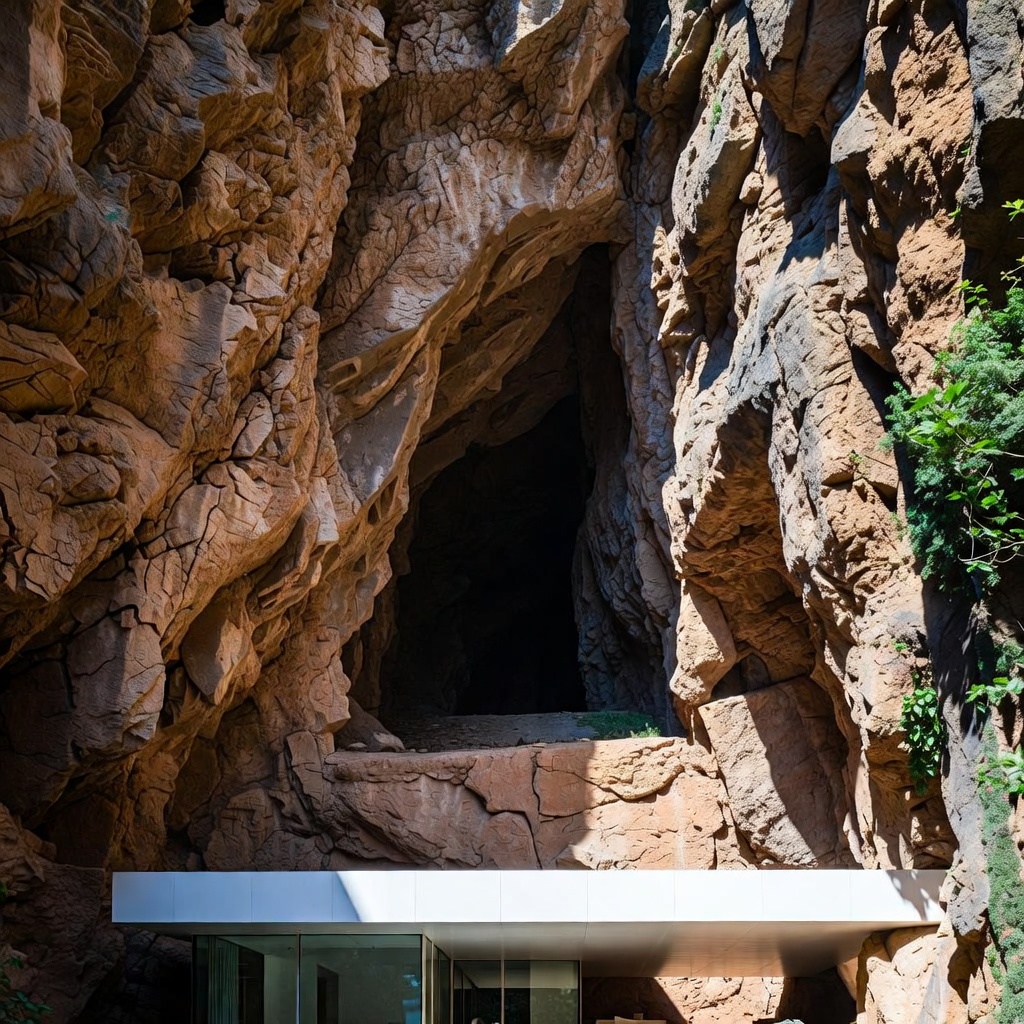
Imagine trading your suburban split-level for a cozy nook carved into a mountainside, where the rent is rock-bottom and the view is eternal. No, this isn’t a time-travel fantasy—it’s the rising trend of modern cave dwellings. Once the stuff of prehistoric lore, caves are getting a high-tech makeover, blending ancient architecture with 21st-century comforts. As climate concerns push us toward sustainable living, these subterranean sanctuaries are emerging as eco-chic alternatives to traditional homes.
The allure starts with history. Humans have hunkered down in caves for millennia, from Lascaux’s painted walls in France to the cliff dwellings of Mesa Verde in Colorado. But fast-forward to today: in places like Coober Pedy, Australia—known as the “Ophir of the World” for its opal mines—residents have been digging into the outback’s red earth since the 1920s to escape scorching 120°F summers. These underground homes, called “dugouts,” maintain a steady 70°F year-round, proving caves’ natural insulation is a built-in HVAC system.
Modernizations take this passive cooling to the next level. Enter the innovators: architects and homeowners retrofitting natural caverns with solar panels on cliff faces, harnessing sunlight to power LED lights, Wi-Fi routers, and even hydroponic gardens for fresh veggies. In Spain’s Andalusia region, the Cuevas del Almanzora project transforms ancient troglodyte homes into luxury rentals. Picture this: original stone walls reinforced with seismic-resistant concrete, then outfitted with underfloor heating, rainwater harvesting systems, and Nest thermostats. One resident, a remote-working graphic designer, raves about her setup: “I Zoom from a cave that feels like a boutique hotel, minus the light bill.”
Technology is the real game-changer. Smart home integrations make cave life seamless—voice-activated blinds mimic natural light cycles in windowless spaces, while air quality sensors ensure ventilation rivals any high-rise. In the U.S., Missouri’s Ozark Mountains host “cave condos” where developers drill vertical shafts for natural light wells, installing skylights and even elevators for multi-level living. Cost-wise, it’s a steal: building into existing rock can slash construction expenses by 30-50%, per green building experts, and the thermal mass means energy use drops dramatically—some homes report zero heating costs in winter.
Of course, it’s not all smooth sailing. Retrofitting requires geological surveys to avoid collapses, and permits can be as tricky as threading a needle in the dark. Humidity control demands dehumidifiers, and resale value? It’s niche, appealing to adventurers over flippers. Yet, with urbanization squeezing green space, caves offer a low-impact footprint: no sprawling foundations, minimal deforestation, and a carbon footprint lighter than a feather.
As we rethink “home” in an era of rising seas and energy crunches, cave modernizations whisper a radical idea: maybe going back to our roots is the ultimate forward leap. Whether you’re eyeing a hobbit-hole Airbnb or dreaming of your own cavernous commute-free life, these rock-solid abodes prove that sometimes, the best upgrades are the ones etched in stone. Who knows? Your next move might just be downward.
Comments are closed