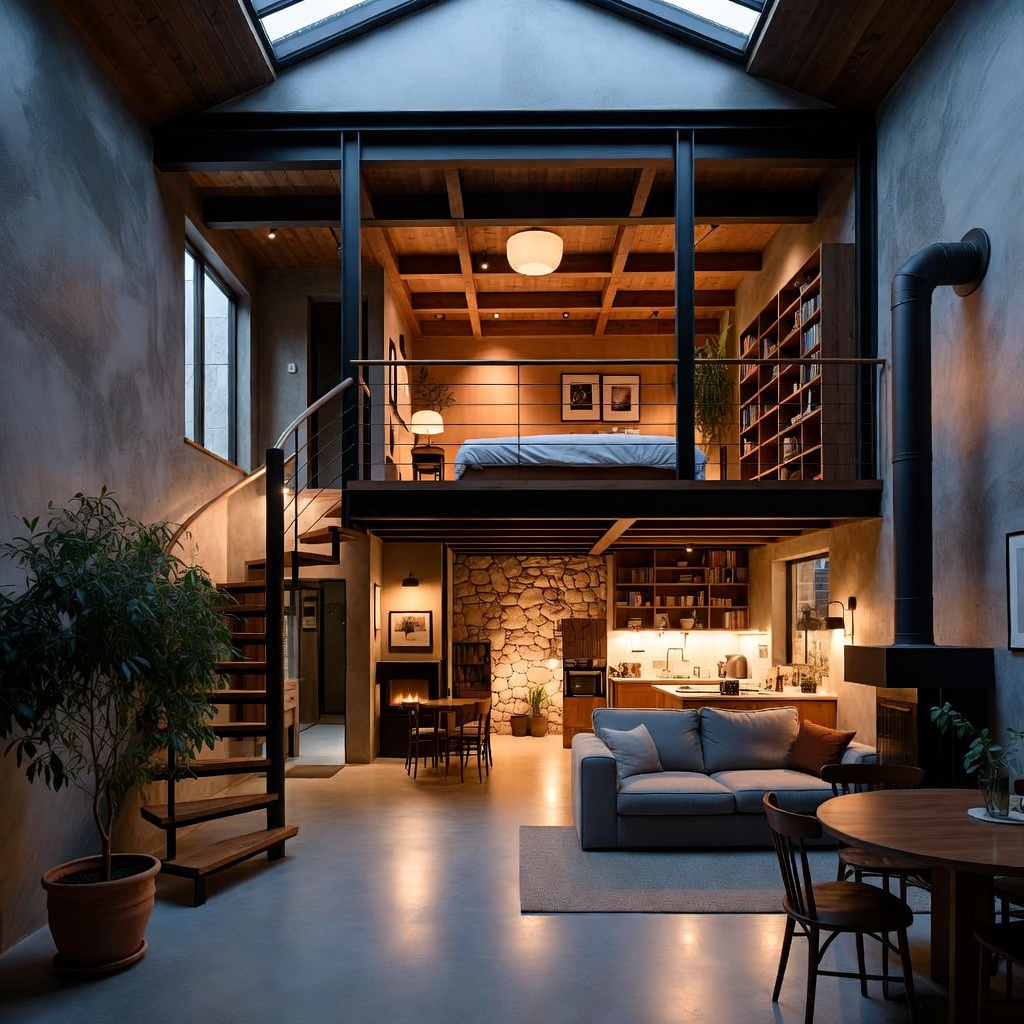
Imagine waking up to birdsong in a cozy nook, your entire world fitting into 400 square feet of thoughtfully designed bliss. No sprawling mortgage, no cluttered closets—just you, your essentials, and a profound sense of freedom. Welcome to the world of tiny homes, where less is more, and minimalism meets maximum impact.
Tiny homes, typically under 400 square feet, have exploded in popularity over the last decade. They’re not just dollhouses for adults; they’re a movement born from economic necessity, environmental awareness, and a craving for simpler living. Picture a compact cabin on wheels, a sleek A-frame nestled in the woods, or an urban micro-apartment stacked like Lego bricks. These pint-sized dwellings challenge the American dream of bigger-is-better, proving that happiness doesn’t require a McMansion.
What draws people to this lifestyle? Affordability tops the list. In an era where median home prices hover around $400,000 in the U.S., a tiny home can cost as little as $20,000 to $100,000 to build or buy. DIY enthusiasts often craft their own using salvaged materials, slashing costs further. For millennials and Gen Zers saddled with student debt, it’s a practical escape from the housing crunch. But it’s not just about saving money—it’s about saving sanity. Owners rave about the liberation from stuff. No more dusting endless shelves or maintaining a lawn the size of a football field. Instead, daily chores shrink, leaving room for adventures, hobbies, or simply breathing.
Sustainability is another big win. Tiny homes use far less energy—think 50-90% reduction in heating and cooling compared to traditional houses. Many incorporate solar panels, rainwater collection, and composting toilets, aligning with eco-conscious values. Communities like the Tiny House Village in Sonoma County, California, showcase off-grid living at its finest, where residents share resources and foster tight-knit bonds.
Of course, it’s not all sunshine and square footage. Challenges abound. Space constraints demand ruthless editing of possessions; that vintage record collection? It might not make the cut. Zoning laws pose hurdles too—many municipalities ban tiny homes or restrict them to RV parks, sparking legal battles and advocacy groups like the American Tiny House Association. Lifestyle adjustments are key: cooking in a galley kitchen or entertaining guests in a loft bed tests adaptability. Yet, innovators are rising to the occasion. Custom builders like Tumbleweed Tiny House Company offer modular designs with fold-out features, while apps like Tiny House Listings connect dreamers with ready-made gems.
Looking ahead, the tiny home trend is evolving. Post-pandemic, demand surged as remote workers sought affordable escapes from cities. We’re seeing luxury minis with smart tech integrations and even tiny home hotels popping up worldwide. In Europe, places like the Netherlands embrace micro-housing in urban infill projects, blending density with charm.
So, is a tiny home in your future? Whether you’re downsizing in retirement or chasing a nomadic life, these compact wonders invite us to rethink what “home” means. In a world overflowing with excess, embracing the tiny might just be the smartest move toward a fuller life. Who knew that shrinking your footprint could expand your horizons?
Comments are closed