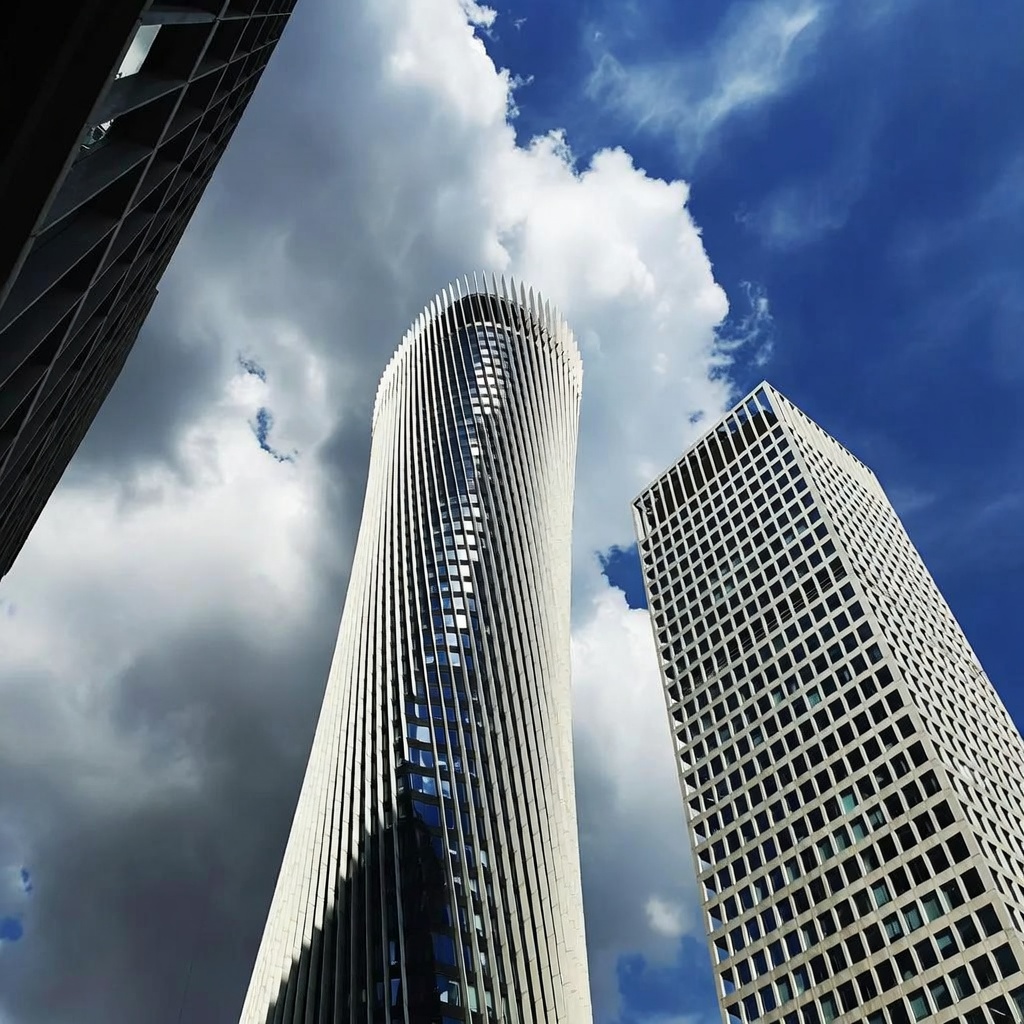
Imagine waking up in a city where skyscrapers twist like living organisms to greet the sun, or office towers expand and contract based on the day’s crowd. No longer static monuments of steel and glass, buildings are evolving into shape-shifting smart structures, blending cutting-edge technology with architectural ingenuity. This isn’t science fiction—it’s the next frontier in urban design, promising cities that are responsive, efficient, and deeply attuned to human needs.
At the heart of shape-shifting smart buildings lies a symphony of advanced materials and intelligent systems. Piezoelectric sensors embedded in walls detect environmental changes, from wind gusts to temperature shifts, triggering actuators that allow facades to ripple or fold. Shape-memory alloys, which “remember” their original form and revert under heat or electricity, enable dramatic transformations—like a building’s roof blooming open during hot summers to invite breezes. Artificial intelligence orchestrates it all, using data from IoT devices to predict and adapt in real-time. For instance, during a storm, walls might thicken for insulation, or solar panels could realign to capture fleeting sunlight.
Real-world prototypes are already pushing boundaries. The Institute for Advanced Architecture of Catalonia (IAAC) unveiled a solar-powered pavilion in 2022 that morphs its biomimetic skin inspired by pinecones, opening to regulate temperature without mechanical HVAC systems. In Dubai, the Dynamic Tower concept envisions a 100-story skyscraper where each floor rotates independently, powered by wind turbines, reshaping the building’s silhouette for optimal energy harvest. Closer to everyday life, companies like Google’s DeepMind are experimenting with AI-driven facades that adjust opacity to control light and privacy, turning bland concrete jungles into dynamic ecosystems.
The benefits are transformative. Energy efficiency skyrockets: adaptive buildings could slash urban carbon emissions by up to 40%, according to a 2023 MIT study, by optimizing insulation and ventilation on demand. They enhance occupant comfort too—imagine hospital wings that reconfigure for better patient flow during outbreaks, or homes that expand outdoor spaces for remote workers craving nature. Sustainability gets a boost as these structures use fewer resources over time; recyclable smart materials mean less waste in demolition phases that rarely happen anymore.
Of course, challenges persist. High upfront costs—often millions for retrofitting—deter widespread adoption, and cybersecurity risks loom large with all that connected tech. Ethical questions arise: Who controls the AI deciding a building’s form? Yet, as costs drop with scalable 3D printing and nanomaterials, experts predict shape-shifting architecture will become standard by 2040.
In this morphing metropolis, cities won’t just house us—they’ll evolve with us. Picture resilient communities weathering climate chaos, where buildings dance with the elements rather than defy them. Shape-shifting smart structures aren’t just bricks and mortar reimagined; they’re a blueprint for harmonious, living urban futures. As we stand on the cusp, one thing’s clear: the skyline is about to get a whole lot more flexible.
Comments are closed