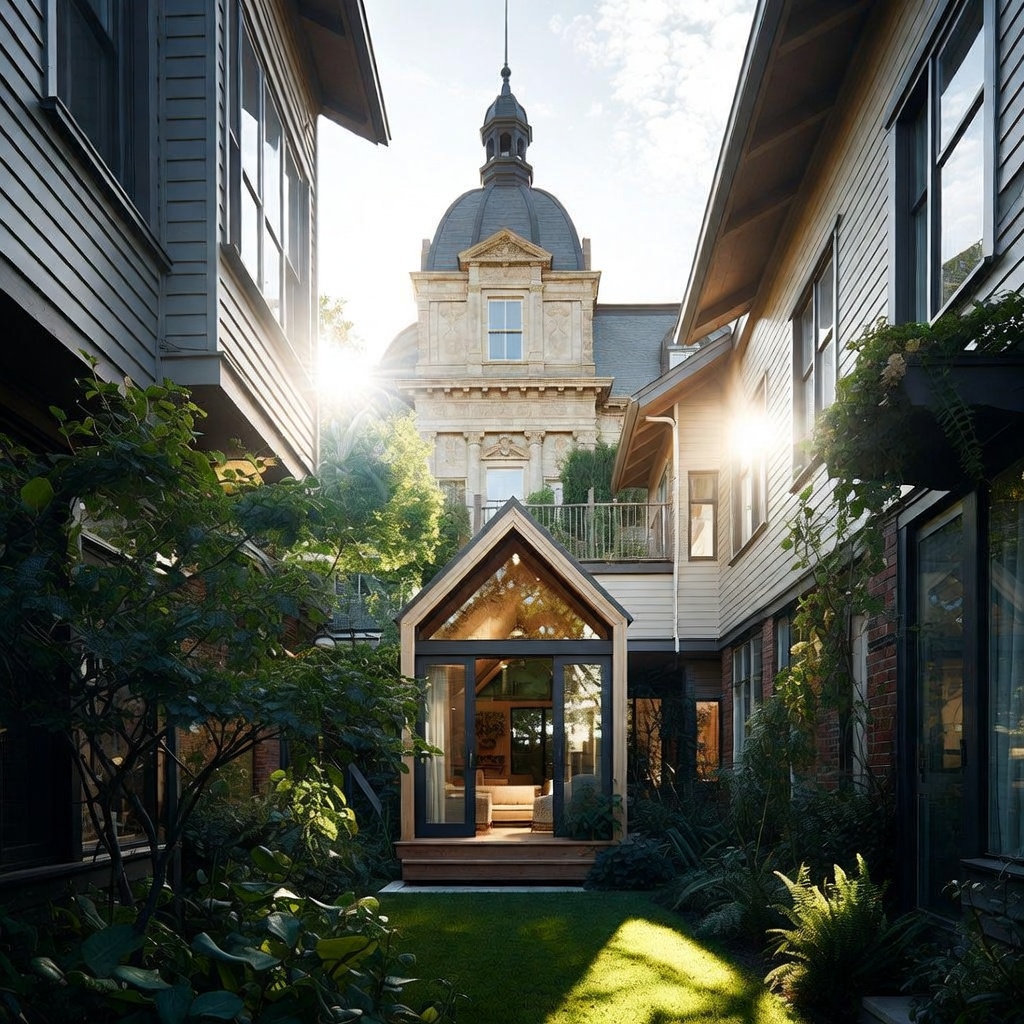
Imagine waking up to birdsong in a cozy 200-square-foot haven, your entire world distilled to the essentials: a sunlit kitchenette, a lofted bed under starry skylights, and a porch swing overlooking wildflowers. No mortgage monster lurking, no sprawling yard to mow—just pure, unadulterated freedom. Welcome to the tiny home revolution, where less is not only more, but a launchpad for epic living.
Tiny homes aren’t a fad; they’re a smart rebellion against the bloated housing market. Picture this: the average American home clocks in at 2,300 square feet, gobbling energy, cash, and sanity. Tiny homes? Often under 400 square feet, they’re engineered for efficiency. Solar panels power your mornings, composting toilets handle the rest, and rainwater systems keep you off-grid. According to the Tiny House Society, these pint-sized powerhouses can slash utility bills by 50-90%, freeing up funds for travel, hobbies, or that emergency fund you’ve always dreamed of.
But it’s not just about savings—tiny living rewires your brain for joy. Psychologists call it the “paradox of choice”: fewer possessions mean less clutter, less stress, more mindfulness. Owners rave about stronger relationships (no hiding from your partner in a 10-foot hallway) and a closer connection to nature. Take the Wheeler family from Oregon: they ditched their McMansion for a 150-square-foot A-frame on wheels. “We cook together every night,” mom Sarah shares. “Our kids learned responsibility folding out the dining table. It’s magic.”
Of course, tiny isn’t for everyone. Zoning laws can be a buzzkill—many U.S. cities ban homes under 400 square feet or require permanent foundations. Trailers on wheels skirt this by qualifying as RVs, letting you roam to tiny home villages in Texas or festivals like Tiny Fest. Building one? Expect $20,000-$60,000 DIY, or $80,000+ for custom jobs from builders like Tumbleweed or Escape Traveler. Pro tip: start with a THOW (tiny house on wheels) for mobility and resale value.
Designs dazzle with ingenuity. Fold-down desks double as guest beds; hidden storage lurks under benches. Modern gems boast smart tech—app-controlled lights, mini-splits for climate control—and aesthetics from rustic reclaimed wood to sleek Scandinavian minimalism. Sustainability shines: reclaimed materials reduce waste, and many are net-zero energy.
Critics scoff at “glorified camping,” but data disagrees. A 2023 study by the National Tiny Home Association found 80% of owners report higher life satisfaction. Millennials and Gen Z lead the charge, priced out of traditional homes, while retirees downsize for adventure. Even celebrities like Ariana Grande have flirted with the trend.
Ready to shrink your footprint? Research local regs, tour models at tiny home expos, or join forums like Tiny House Talk. Whether parked in a community, towed to national parks, or parked on family land, tiny homes prove that happiness fits in a nutshell. So, why settle for square footage when you can claim square miles of possibility? Your tiny adventure awaits.
Comments are closed