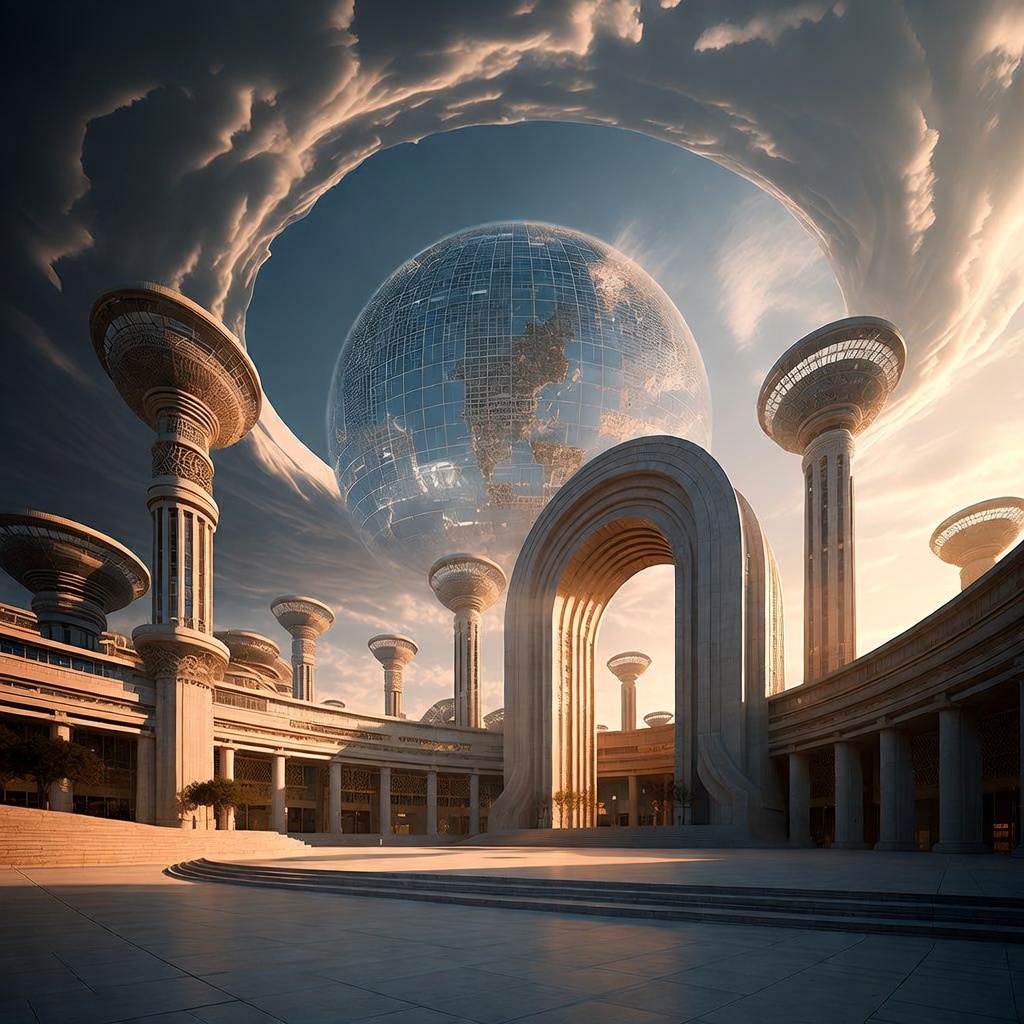
Imagine a world where every community is designed to thrive without exhausting the planet’s resources—like living on just one Earth, sustainably, forever. This is the promise of One Planet Living (OPL), a holistic framework pioneered by Bioregional, a UK-based nonprofit, in collaboration with WWF. Launched in the early 2000s, OPL emerged from growing alarm over climate change, biodiversity loss, and resource depletion. It draws inspiration from ancient indigenous practices, like Native American land stewardship or Aboriginal Australian songlines, which viewed humans as integral to ecosystems rather than dominators. But OPL modernizes these wisdoms into 10 actionable principles for today’s urban planners, developers, and dreamers.
At its core, OPL isn’t just greenwashing; it’s a comprehensive checklist. Key features include zero carbon emissions through renewable energy and efficient buildings; zero waste via circular economies that recycle everything from food scraps to construction materials; sustainable transport emphasizing walking, cycling, and electric vehicles over cars; and equitable access to healthy, local food grown in community gardens or rooftops. Water conservation, natural habitats restoration, and inclusive communities round out the model, ensuring no one is left behind. Health and happiness are prioritized too, with green spaces for mental well-being and culture-led designs fostering local identity.
Modern examples bring OPL to life. In BedZED (Beddington Zero Energy Development) in South London—the world’s first large-scale OPL project since 2002—residents enjoy homes 81% more energy-efficient than average UK builds, car clubs slashing ownership by half, and homegrown produce reducing food miles. Fast-forward to Findhorn Ecovillage in Scotland, a 50-year experiment now OPL-certified, powering itself with wind turbines and biomass while hosting global permaculture workshops. Across the Atlantic, the one planet development model in Wales legally mandates applicants to prove self-sufficiency in land-based living, spawning off-grid homesteads. In the UAE, Masdar City in Abu Dhabi showcases OPL in a desert: solar-powered, driverless pods for transport, and 100% recycled water.
Why does this matter today? We’re at a tipping point. The Global Footprint Network reports humanity’s ecological footprint exceeds Earth’s biocapacity by 75%, meaning we need 1.75 planets to sustain current lifestyles. OPL developments prove scalable alternatives, cutting emissions by up to 90% while boosting resident happiness—studies from Findhorn show lower stress levels and stronger social bonds. Amid COP conferences and net-zero pledges, OPL empowers local action, challenging the myth that sustainability sacrifices comfort. It’s not utopia; challenges like high upfront costs persist, but falling solar prices and policy incentives (e.g., EU Green Deal grants) are closing the gap.
As climate refugees rise and biodiversity crashes, One Planet Living isn’t optional—it’s our blueprint. By adopting OPL, we don’t just build homes; we craft resilient futures where one planet is plenty. Ready to join the movement? Start in your backyard.
Comments are closed