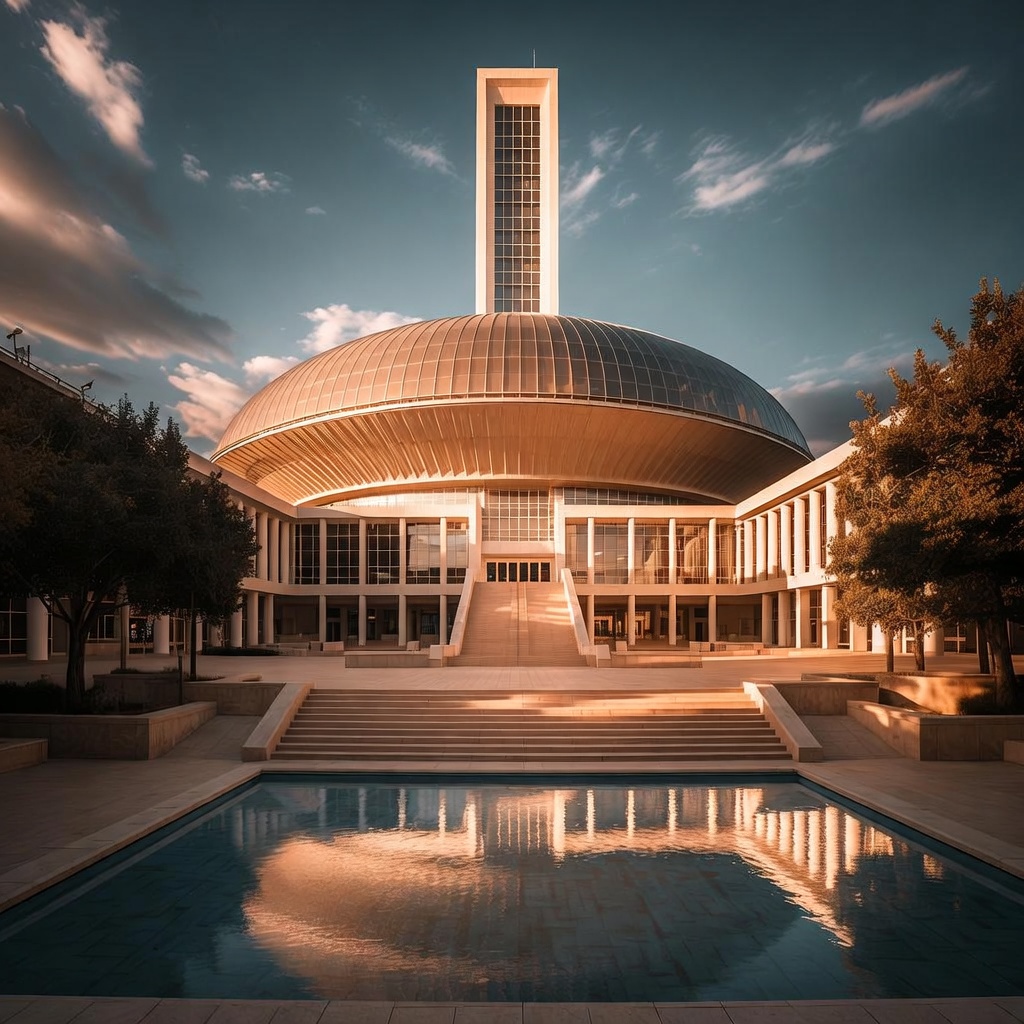
Imagine stepping into a classroom where sunlight dances across walls painted in soft blues, natural breezes whisper through open vents, and the hum of distant playground chatter filters in like a gentle soundtrack. This isn’t a dream—it’s the promise of thoughtful school architecture, where design isn’t just about bricks and mortar, but about igniting curiosity and fostering growth. In an era of screen fatigue and shrinking attention spans, how we build our schools matters more than ever. Let’s explore the key features, a dash of history, standout modern examples, and why this architectural alchemy is crucial today.
At its core, effective school design revolves around three pillars: flexibility, biophilia, and community flow. Flexible spaces top the list—think modular classrooms with movable walls that morph from lecture halls to collaborative studios in minutes. This adaptability caters to diverse learning styles, from kinesthetic group projects to quiet individual reflection. Biophilic elements, inspired by nature, follow suit: living green walls, indoor atriums with trees, and ample daylight reduce stress and boost cognitive function. Studies show natural light can improve test scores by up to 20%, while views of greenery sharpen focus. Finally, intuitive circulation—wide corridors doubling as social hubs—encourages serendipitous interactions, turning hallways into idea incubators rather than mere transit zones.
Historically, school architecture mirrored societal shifts. The rigid, factory-like grids of 19th-century industrial-era schools, with rows of desks facing a single authority figure, echoed the assembly-line mindset of the time. Progressive reformers like Maria Montessori in the early 20th century pushed back, advocating open-plan layouts to nurture child-led exploration. Post-WWII modernism brought bold experiments, like Eero Saarinen’s K-12 school prototypes with curved roofs and communal spaces, emphasizing democracy and creativity amid Cold War innovation fever.
Fast-forward to today, and modern exemplars dazzle. The Brock Environmental Center in Virginia Beach, a net-zero energy marvel, uses passive solar design, rainwater harvesting, and rooftop meadows to teach sustainability hands-on—students literally grow their own veggies on the roof. In Denmark, the Ørestad Gymnasium features a spiraling atrium that connects all floors visually, fostering transparency and collaboration; its undulating form breaks the monotony of boxes, symbolizing fluid knowledge. Singapore’s School of the Arts (SOTA) blends performing spaces with classrooms, where drama studios adjoin math labs, blurring disciplinary lines for interdisciplinary magic.
Why does this matter now? In a post-pandemic world, where hybrid learning and mental health crises loom large, schools must be sanctuaries of well-being. Poorly designed spaces exacerbate inequality—cramped, dim rooms in underfunded districts hinder learning before a lesson even starts. Conversely, inspiring architecture levels the playing field, enhancing equity, retention, and innovation. As climate change demands resilient buildings, eco-smart designs prepare kids for a volatile future while slashing operational costs—some green schools save 30% on energy bills.
Ultimately, school architecture is pedagogy in built form. It’s a silent teacher shaping how students see the world: open and inviting, or boxed and confined. By prioritizing human-centered design, we don’t just build schools—we cultivate thinkers, dreamers, and doers. The next generation deserves spaces that expand horizons, one archway at a time. What if your local school was next?
Comments are closed