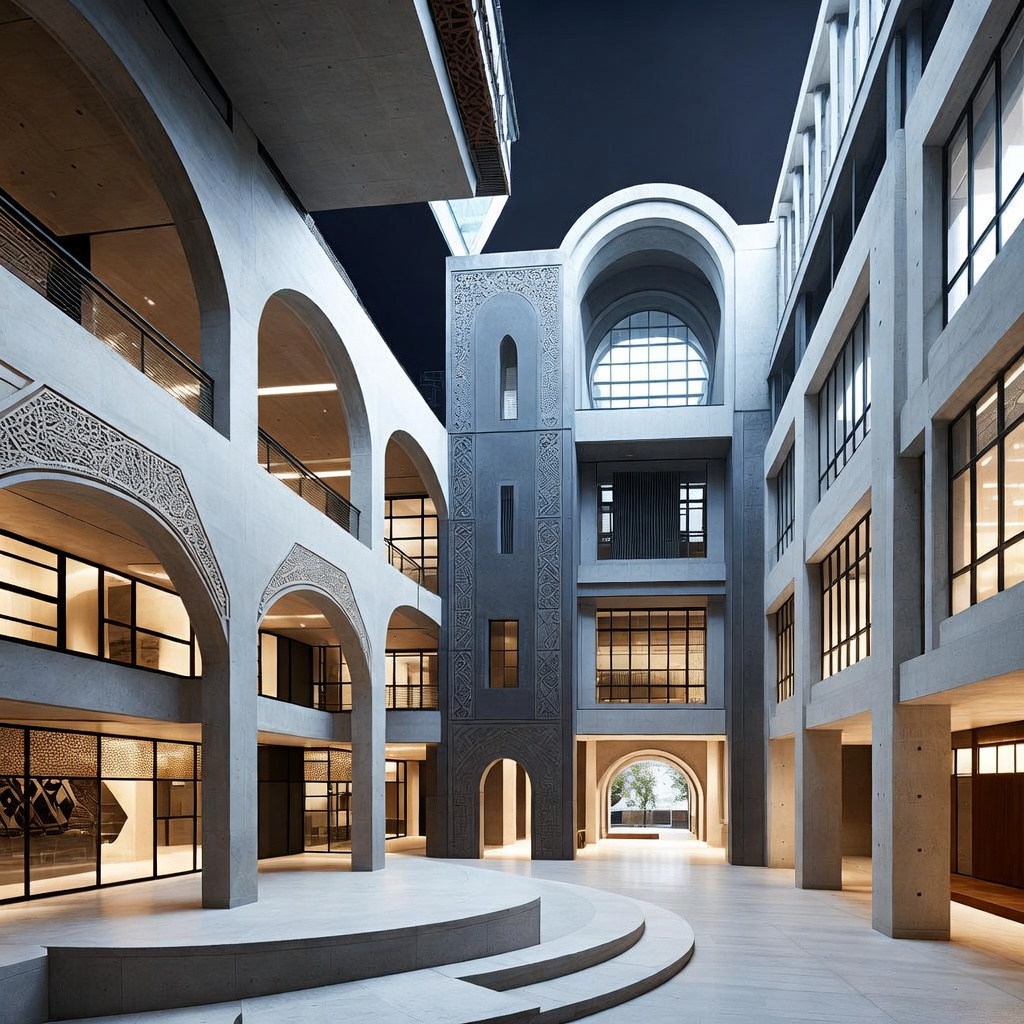
Imagine stepping into a classroom where sunlight floods through vast windows, flexible walls slide open to create collaborative spaces, and the hum of nature filters in from a nearby green courtyard. This isn’t a futuristic fantasy—it’s the reality of modern school architecture designed to ignite curiosity and foster deep learning. For centuries, school buildings have evolved from rigid fortresses of rote memorization to dynamic environments that mirror how our brains actually work. Why does this matter? Because in an era of digital distractions and mental health challenges, the spaces where kids spend their formative years can make or break their love for learning.
Historically, school architecture reflected societal priorities. In the 19th century, Victorian-era schools in Europe and America were built like factories: rows of identical desks facing a single blackboard, high ceilings for echoing voices, and minimal natural light to keep costs low during the Industrial Revolution. Think of the grim, prison-like structures immortalized in Charles Dickens’ tales—designed for mass education of factory workers, not creative thinkers. Post-World War II, the modernist movement brought open-plan “egg crate” designs with flat roofs and vast hallways, aiming for efficiency but often resulting in echoey, impersonal spaces that stifled individuality.
Fast forward to today, and architects are revolutionizing this legacy with evidence-based designs rooted in neuroscience and pedagogy. Key features include abundant natural light—studies from the Heschong Mahone Group show it boosts test scores by up to 20% by regulating circadian rhythms and reducing eye strain. Flexible furniture and movable partitions allow for group work, lectures, or quiet reflection, accommodating diverse learning styles from kinesthetic to visual. Biophilic elements like living walls, rooftop gardens, and indoor plants combat “nature deficit disorder,” improving focus and creativity, as evidenced by research from the University of Melbourne.
Modern exemplars shine brightly. The Opal School at the Portland Children’s Museum in Oregon features a circular layout with nooks for exploration, blurring indoor-outdoor boundaries to encourage inquiry-based learning. In Denmark, the Vinge School boasts colorful, modular classrooms that adapt to Montessori or STEM activities, with skylights and acoustics tuned for collaboration. Even tech-forward designs like Singapore’s Punggol Green Primary incorporate AI-optimized ventilation and sensory pods for neurodiverse students, proving inclusivity is paramount.
Why does this matter now? Post-pandemic, we’ve seen skyrocketing anxiety among youth—WHO data links poor indoor environments to 20-30% drops in concentration. Well-designed schools reduce absenteeism, enhance equity (especially in underfunded districts), and prepare kids for flexible workplaces. They signal to students: “You matter. Your ideas have space to grow.” Policymakers and educators, take note—investing in architecture isn’t just building walls; it’s constructing futures. As we redesign for tomorrow, let’s ensure every school feels like a launchpad, not a cage.
Comments are closed