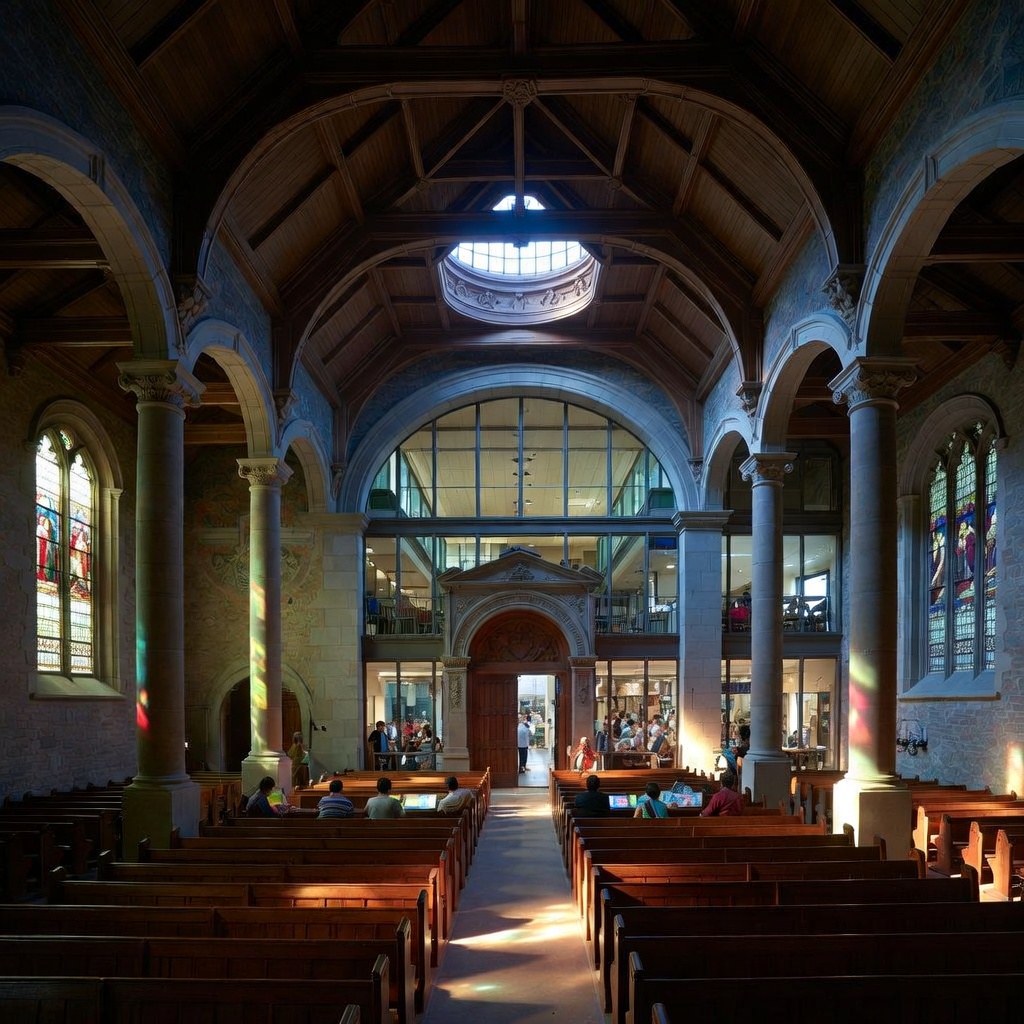
Imagine a grand old church building, its steeple piercing the sky, once echoing with hymns and sermons. Now picture that same space buzzing with yoga classes, after-school programs, and town hall meetings. This isn’t a fantasy—it’s the growing trend of transforming churches into community centers, breathing new life into sacred spaces while addressing modern societal needs.
Historically, churches have long served as more than just places of worship. In medieval Europe, they were the heart of village life, hosting markets, feasts, and even courts. Fast-forward to the 20th century in the U.S., and many congregations built facilities with gyms, kitchens, and meeting rooms to foster fellowship. But as attendance declined—down 20-30% in mainline Protestant churches since 2000, per Pew Research—empty pews left cavernous buildings underutilized. Enter adaptive reuse: shuttered churches are being repurposed into thriving community assets.
Key features of these conversions make them stand out. Flexible interiors are a hallmark—removable pews give way to open floors for events, while multi-purpose rooms host everything from AA meetings to coding bootcamps. Modern examples shine brightly. In Brooklyn’s Greenpoint, the former Our Lady of Mount Carmel church now operates as the Greenpoint Reformed Church Community Center, offering free meals, ESL classes, and arts workshops to immigrants and locals alike. Across the pond, London’s Union Chapel in Islington doubles as a nightclub and concert venue, preserving Gothic architecture while funding community programs. In rural America, places like the repurposed Episcopal church in Eureka Springs, Arkansas, now serve as a food pantry and senior center, combating isolation in aging towns.
What sets these centers apart technologically and programmatically? Solar panels on rooftops cut costs, Wi-Fi blankets the space for digital inclusion, and apps schedule rentals seamlessly. Programs target gaps: mental health support, job training, and climate workshops fill voids left by shrinking public services. Unlike sterile civic centers, these spots retain soul-stirring aesthetics—stained glass casting rainbows during Zumba, stone walls amplifying laughter.
Why does this matter today? In an era of fractured communities, these hubs rebuild social fabric. With U.S. civic participation plummeting (only 12% of adults regularly attend meetings, per Gallup), churches-turned-centers democratize space. They ease municipal budgets—leasing to nonprofits generates revenue without taxpayer hikes—and promote equity, often in underserved neighborhoods. Environmentally, reuse slashes demolition waste; one converted church in Seattle saved 500 tons of landfill material.
Critics worry about secularizing sacred sites, but many denominations endorse it, seeing stewardship as mission extension. Ultimately, these transformations honor legacy while innovating for tomorrow. Whether hosting vaccine drives during COVID or debate nights on local issues, they remind us: community thrives where people gather. Next time you pass a quiet steeple, wonder—what vibrant hub might it become? The shift from pews to playgrounds isn’t just practical; it’s a blueprint for resilient, connected living.
Comments are closed