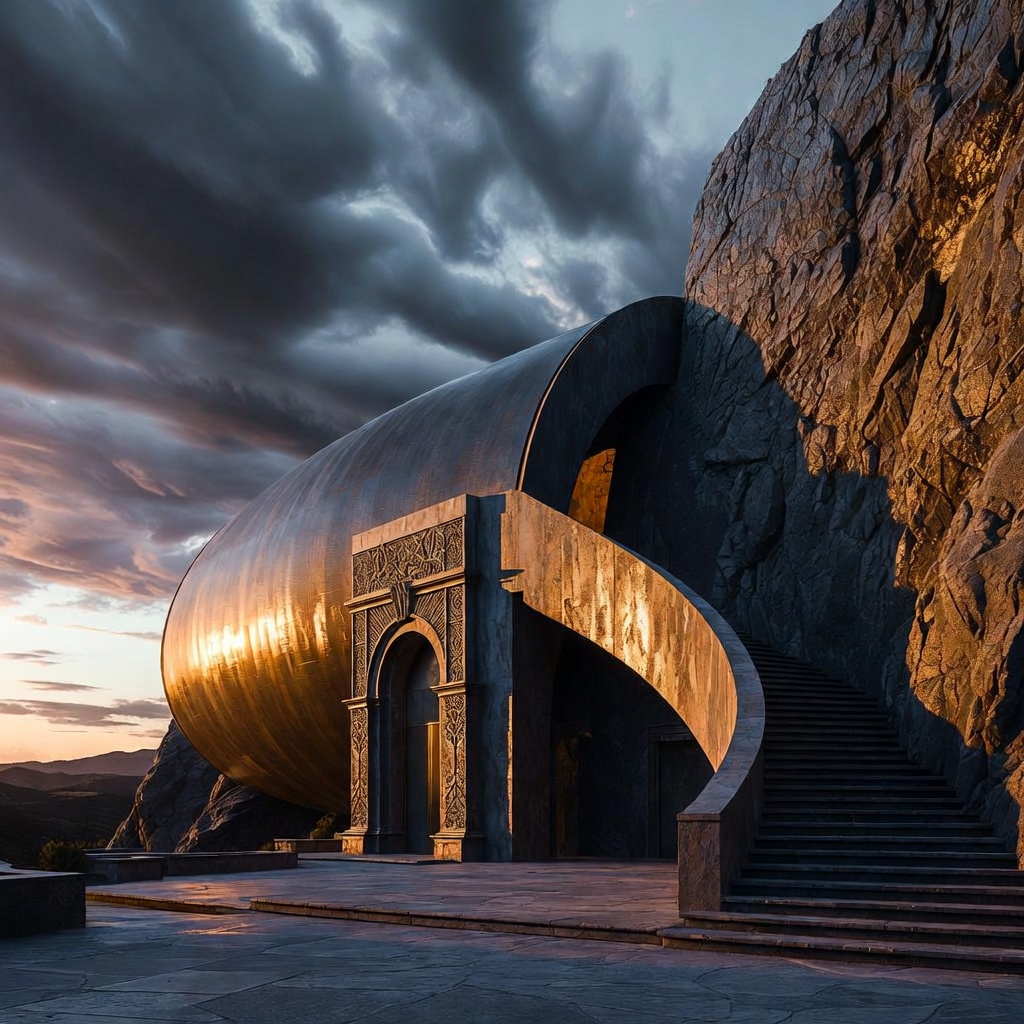
Wildfires aren’t just seasonal spectacles anymore—they’re relentless forces reshaping landscapes, homes, and lives. In 2023 alone, over 7 million acres burned in the U.S., with flames devouring entire communities like those in Maui and Canada. But here’s the spark of hope: a new generation of wildfire-resistant materials is turning homes into fortresses. These aren’t your grandma’s brick-and-mortar builds; they’re engineered wonders blending science, history, and cutting-edge tech to stare down infernos.
Let’s rewind to the historical embers. The quest for fire-resistant building kicked off in earnest after the 1906 San Francisco earthquake and fire, which razed 28,000 buildings. Architects pivoted to concrete and steel, materials that don’t burn easily and maintain structural integrity under extreme heat. Fast-forward to the 20th century: gypsum board (drywall) revolutionized interiors, its non-combustible core resisting flames for up to an hour. Yet, these were passive defenses. Modern materials amp it up with active intelligence.
Enter fiber cement siding, a composite of cement, sand, and cellulose fibers. Unlike wood, which ignites at 400°F, fiber cement shrugs off temperatures exceeding 1,500°F without crumbling. Brands like James Hardie have popularized it in fire-prone California, where homes clad in these boards survived the 2018 Camp Fire’s hellscape. Key feature? It’s Class A fire-rated, meaning it doesn’t contribute fuel to the blaze, and its durability means no warping or cracking in radiant heat.
Then there’s intumescent coatings—paint-like shields that swell up to 50 times their thickness when heated, forming a charred, insulating barrier. Applied to wood or steel, they buy critical evacuation time. Imagine steel beams in a WUI (wildland-urban interface) home: without protection, they soften at 1,000°F, collapsing structures. With intumescent layers, they hold for 2-3 hours. Real-world win: Australia’s 2019-2020 Black Summer fires saw coated timber homes stand while neighbors burned.
Glass isn’t just for windows anymore. Fire-rated glazing, like PyroBel, uses a sodium silicate interlayer that turns opaque and blocks heat when flames lick it. Multi-pane versions endure 120 minutes of direct fire exposure, perfect for modern designs craving natural light without the risk. And don’t sleep on metal roofs—corrugated steel or aluminum reflects radiant heat, preventing ember ignition. Paired with ember-resistant vents (screened to 1/8-inch mesh), they form a “hardened” envelope.
Why does this matter today? Climate change is supercharging wildfires: hotter, drier conditions mean longer seasons and fiercer blazes. Insurance companies are pulling out of high-risk zones, and rebuilding costs skyrocket—post-Paradise Fire, averages hit $400,000 per home. These materials slash ignition risks by 70-90%, per NIST studies, protecting lives, property, and forests overburdened by fire-suppressed fuels.
Adopting them isn’t cheap upfront—fiber cement might cost 20% more than vinyl—but ROI shines in prevented losses and lower premiums. Innovators like California’s Wildfire Prepared Home program incentivize retrofits with rebates. As we build resiliently, we’re not just surviving wildfires; we’re outsmarting them. Next time you spot a sleek, fireproof home amid scorched earth, tip your hat to materials that refuse to fuel the flames. The future’s ablaze with possibility.
Comments are closed