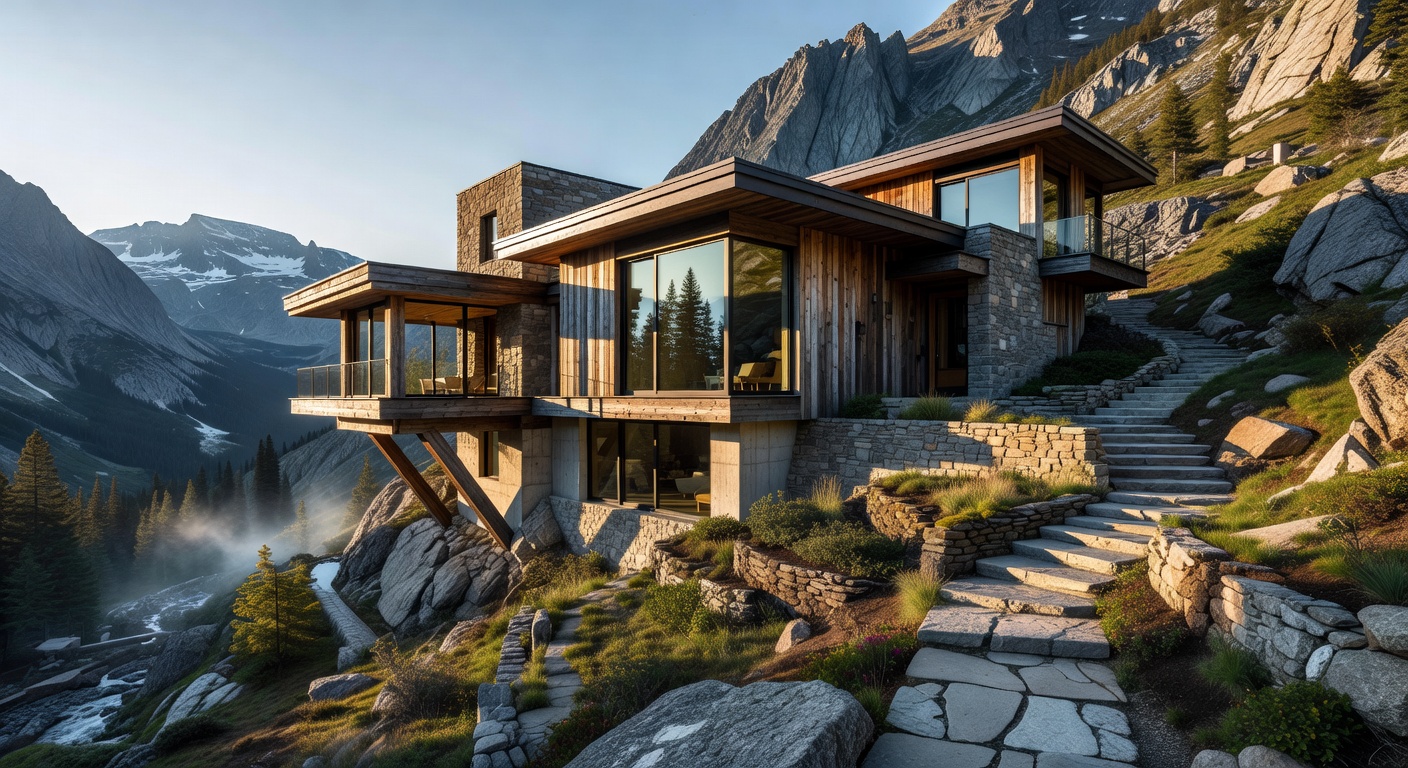
Nestled between rugged peaks and sprawling valleys, mountain slopes have long challenged human ingenuity. Enter “mountain slope integration”—a blend of engineering, ecology, and design that weaves steep terrains into functional landscapes. Far from brute-force terraforming, this practice harmonizes inclines with human needs, from ski resorts to eco-villages. It’s a quiet revolution in how we live with mountains, turning potential hazards into assets.
At its core, mountain slope integration hinges on key features like terracing, retaining walls, and bioengineering. Terracing, inspired by ancient rice paddies in the Himalayas, carves stepped platforms into slopes to prevent erosion and maximize arable land. Modern twists include geogrids—flexible mesh reinforcements embedded in soil—that stabilize inclines without concrete’s rigidity. Vegetation plays a starring role too: deep-rooted plants like alpine grasses or engineered shrubs anchor soil, while drainage systems channel rainwater to avoid landslides. Smart sensors now monitor moisture and movement in real-time, alerting engineers to risks before they escalate. These elements create resilient slopes that support agriculture, housing, and recreation without scarring the mountain’s face.
Historically, this integration traces back millennia. The Incas mastered it in the Andes with andenes—terraced fields that fed an empire on near-vertical drops, irrigated by aqueducts that still function today. In Europe, medieval vineyards on Mosel River slopes used dry-stone walls to defy gravity, producing Riesling wines for centuries. These weren’t just survival tactics; they were cultural imprints, proving humans could thrive where nature seemed unforgiving.
Fast-forward to today, and examples dazzle with innovation. Zermatt, Switzerland, exemplifies luxury integration: its Matterhorn slopes host world-class ski runs engineered with snow nets and avalanche barriers, blending adrenaline with safety. In Japan, the Niseko resort uses drone-mapped grading and native larch plantings to minimize environmental impact while drawing global skiers. On the sustainability front, Bhutan’s hillside eco-resorts integrate solar-powered funiculars and permaculture gardens, embodying Gross National Happiness through slope-smart design. Even urban edges benefit—Hong Kong’s Mid-Levels escalators and vegetated retaining walls turn 45-degree hills into vibrant neighborhoods.
Why does this matter now? Climate change amplifies slope instability: warmer temps thaw permafrost, intensifying landslides, while extreme rains erode paths. By 2050, the UN predicts millions displaced by mountain hazards. Integration counters this, bolstering food security in terraced farmlands that feed 15% of the world’s population, per FAO data. It preserves biodiversity hotspots—slopes host 30% of terrestrial species—and fuels tourism economies worth billions. In a crowded planet, it enables “vertical urbanism,” stacking homes and farms skyward sustainably.
Ultimately, mountain slope integration isn’t about conquering peaks; it’s partnership. As we face rising seas and shifting grounds, these techniques offer blueprints for resilience. Next time you gaze at a mountainside village or groomed ski slope, see the subtle genius: slopes no longer divide us from the heights—they invite us in.
Comments are closed