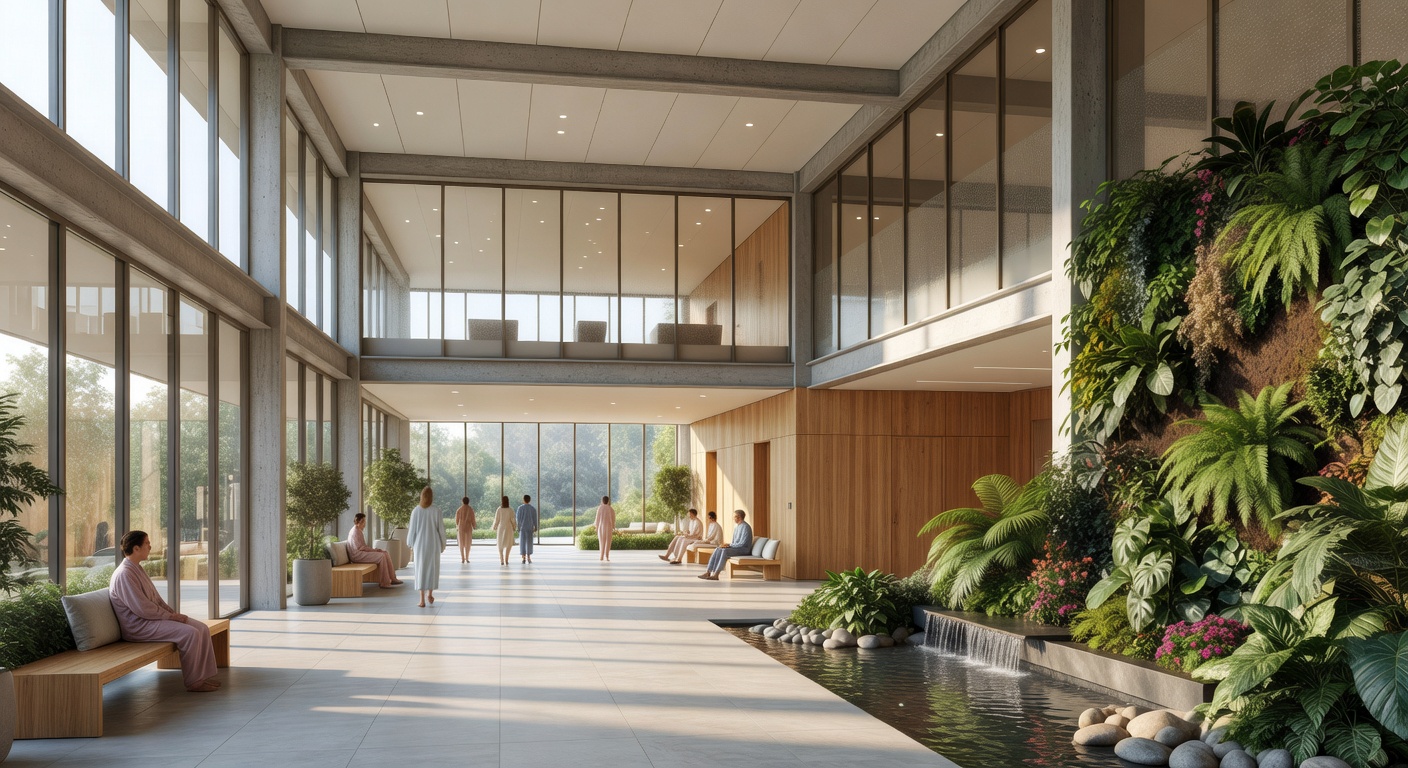
Hospital rooms have long been sterile battlegrounds against illness, but a quiet revolution is underway. Designers and healthcare leaders are reimagining these spaces as healing environments, blending science, nature, and human-centered design to boost recovery rates and patient satisfaction. It’s not just about pretty walls—evidence shows these thoughtful setups can reduce stress hormones, shorten hospital stays, and even cut medication needs.
At the heart of healing environments are key features rooted in biophilic design, which mimics nature to soothe the mind. Natural light floods patient rooms through expansive windows, circadian lighting systems adjust to mimic daylight cycles, and indoor plants or living green walls purify air while evoking calm. Acoustic engineering dampens harsh noises—think sound-absorbing ceilings and water features that provide gentle white noise over incessant beeps. Single-patient rooms, now standard in many new builds, offer privacy and control, with adjustable furniture, artwork, and tech for personalizing the space. Colors play a role too: soft blues and greens promote tranquility, while warm accents in family zones foster connection.
This push traces back to the 1980s with Roger Ulrich’s landmark study at Pennsylvania State University. He found that patients with views of trees healed faster and needed fewer painkillers than those staring at brick walls. Florence Nightingale laid early groundwork in the 1850s, insisting on fresh air, light, and quiet in her Notes on Nursing. Fast-forward to today: the Maggie Centres network across the UK exemplifies modern mastery. These architect-designed hubs adjacent to cancer hospitals, like the swooping timber Frank Gehry center in Dundee or the lantern-like Zaha Hadid in Venice, provide serene spaces for reflection, gardens, and tea—proving beauty aids emotional resilience amid treatment.
In the U.S., Cleveland Clinic’s executive campus integrates vast green roofs and art-filled corridors, while Singapore’s Khoo Teck Puat Hospital features sky gardens on every floor, waterfalls, and terrariums. Post-COVID, these designs gained urgency: stressed staff and anxious patients demanded more. A 2023 Planetree International study reported 20-30% drops in patient anxiety in nature-infused hospitals.
Why does this matter now? Healthcare costs soar, burnout plagues workers, and mental health crises surge. Healing environments deliver ROI—shorter stays save millions, happier staff reduces turnover, and patients report higher satisfaction scores. In an era of personalized medicine, these spaces honor the whole person, reminding us healing isn’t just physiological. As climate awareness grows, sustainable elements like passive solar designs align hospitals with planetary health.
Ultimately, these aren’t luxuries; they’re evidence-based necessities. By nurturing body and spirit, hospitals evolve from fix-it shops to true havens, proving that a little green and light can illuminate the path to wellness.
Comments are closed