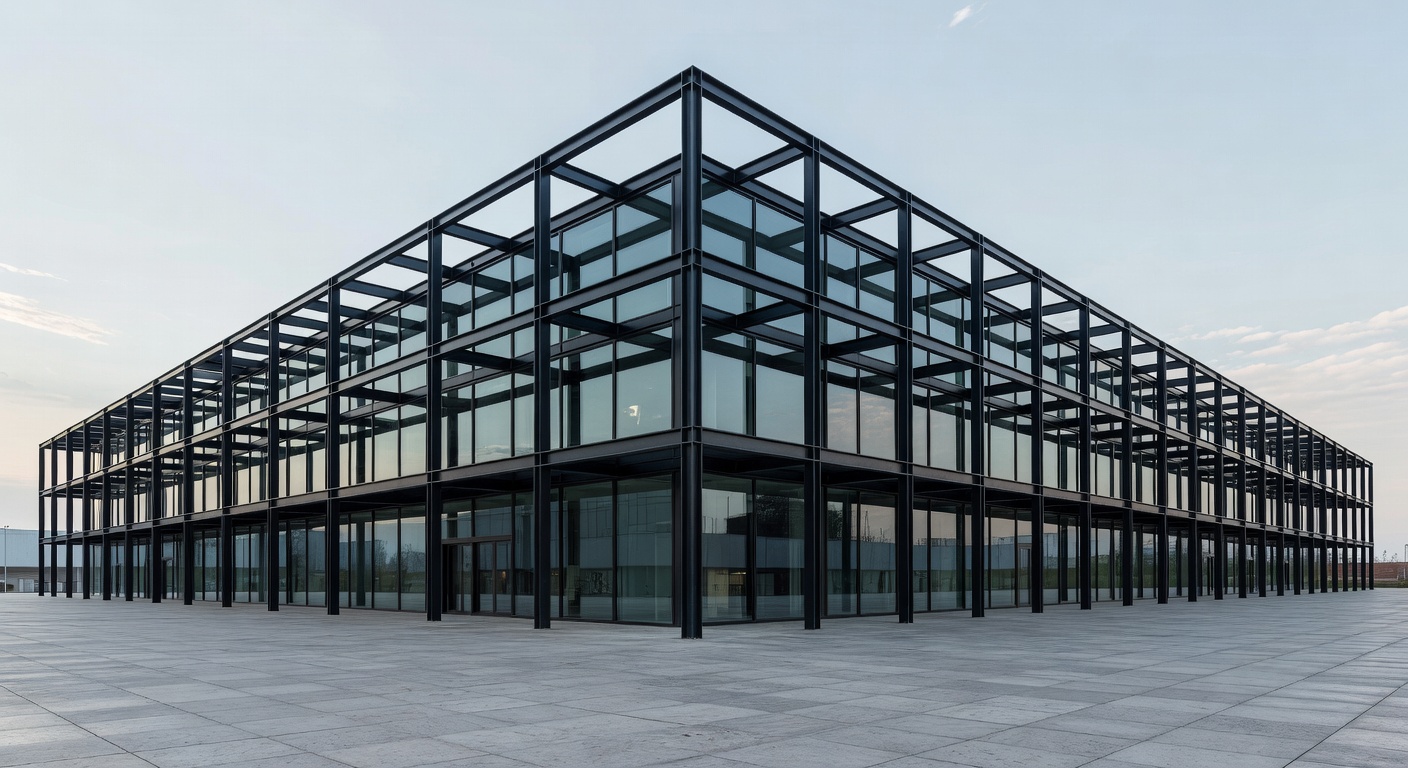
Ludwig Mies van der Rohe didn’t just design buildings—he redefined how we inhabit space. Born in 1886 in Germany, the architect behind the iconic Barcelona Chair and the Seagram Building distilled architecture to its essence with his mantra, “Less is more.” Minimalism, as embodied in his work, strips away the superfluous, embracing clarity, precision, and an almost philosophical restraint. It’s not about emptiness but about honoring structure, light, and material in their purest forms.
Mies’s philosophy emerged amid the turbulence of early 20th-century Europe. Trained under Peter Behrens, he absorbed the clean lines of Jugendstil before diving into the modernist wave. The 1929 Barcelona Pavilion, built for the International Exposition, became his manifesto. With its polished marble planes, glass walls, and chrome crosses floating without ornament, it rejected historical revivalism. No columns touched the ground traditionally; walls seemed to hover, blurring indoors and outdoors. This “skin and bones” architecture responded to industrialization—steel frames and vast glass sheets made skyscrapers feasible, echoing the Bauhaus ethos of function over decoration. Fleeing Nazi Germany in 1937, Mies brought this vision to America, where his IIT Campus in Chicago (1940s) showcased skeletal steel skeletons and unadorned brick, influencing generations.
Key features define Miesian minimalism: structural honesty, where materials like travertine, glass, and I-beams reveal their true nature—no faux finishes. Open floor plans dissolve boundaries, with free-standing walls guiding rather than enclosing. Universal space reigns, adaptable and democratic. Light floods through expansive glazing, creating luminous voids. Repetition and symmetry impose rhythm without clutter, as seen in the Farnsworth House (1951), a glass box elevated on steel stilts amid Illinois woods—a serene retreat vulnerable to nature’s gaze.
Today, Mies’s ideas pulse through contemporary design. Apple’s stores, with their glassy facades and minimalist shelving, owe a debt to his transparency. Tadao Ando’s concrete meditations or SANAA’s ethereal structures echo the “almost nothing” aesthetic. In homes, think Scandinavian interiors or Japanese wabi-sabi: pared-down palettes, multifunctional furniture, and negative space that breathes. Urban high-rises like New York’s Lever House redux nod to his corporate towers.
Why does it matter now? In our cluttered digital age of endless scrolling and stuff, Miesian minimalism offers liberation. It combats visual noise, fostering mindfulness and efficiency—psychologically, open spaces reduce stress, per environmental studies. Sustainability aligns too: fewer materials mean less waste, and modular designs adapt to changing needs. Amid climate crises, his emphasis on durable, timeless forms counters throwaway trends. Mies taught us elegance arises from subtraction, proving that true luxury is restraint. In a world bloated with excess, his legacy whispers: edit ruthlessly, and beauty endures.
(Word count: 448)
Comments are closed