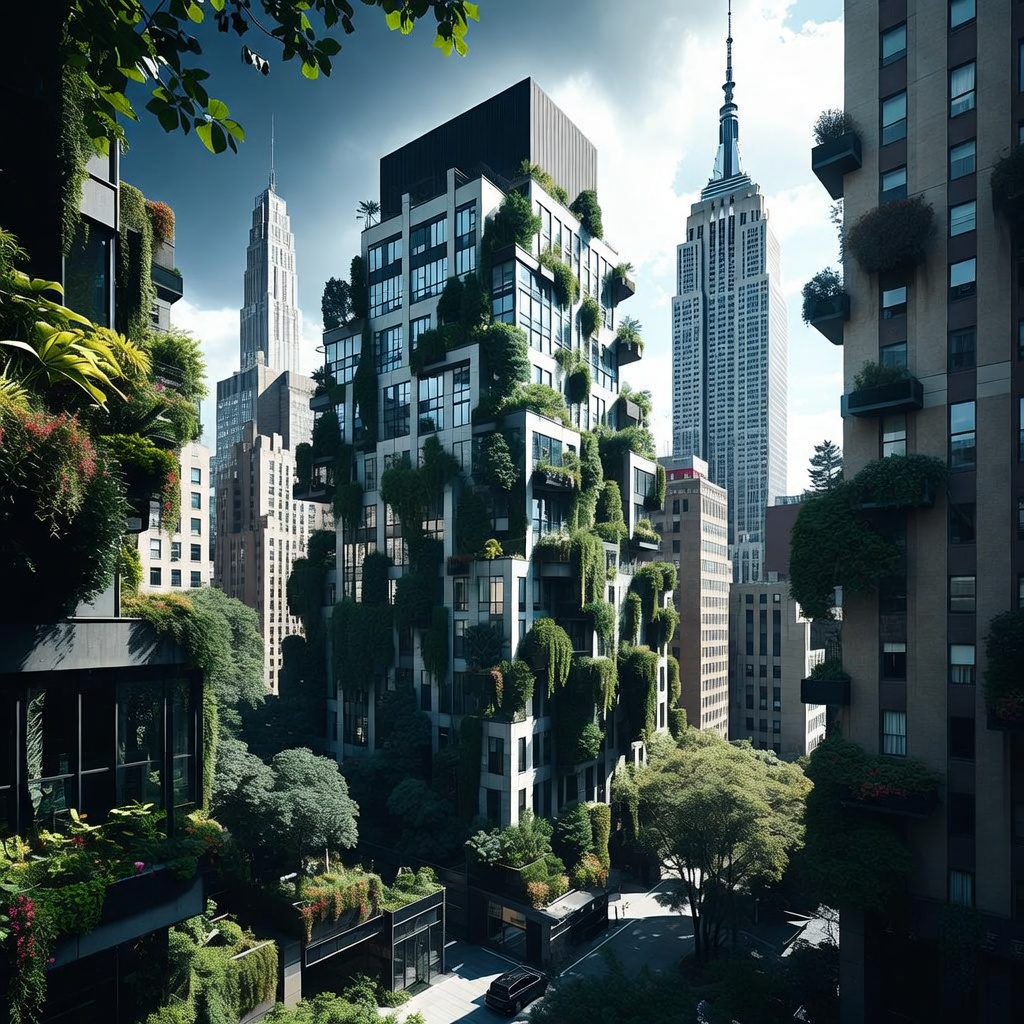
Urban life can feel like a never-ending rush of honking cars, towering skyscrapers, and precious little green space. But what if I told you that your city’s gray walls could become vibrant, living tapestries? Enter the world of urban vertical gardens—a clever twist on traditional gardening that’s turning vertical real estate into a breath of fresh air.
At its core, a vertical garden is like a high-rise for plants. Instead of sprawling across the ground, greenery climbs walls, balconies, and even abandoned billboards. These setups use modular systems, hydroponics, or simple trellises to let vines, herbs, and flowers thrive in the most unlikely spots. Picture a downtown alleyway transformed into a cascading wall of ferns and tomatoes, or a rooftop balcony bursting with strawberries. It’s not just pretty; it’s practical genius for cities where land is scarcer than a parking spot on a Friday night.
The benefits are as layered as the gardens themselves. Environmentally, they act as natural air filters, trapping pollutants and releasing oxygen—studies show that a single square meter of vertical greenery can absorb as much CO2 as a small tree. In heat-trapping urban areas, these green walls help combat the “urban heat island” effect by providing insulation, potentially lowering building temperatures by up to 10 degrees. Plus, they support biodiversity, offering habitats for birds, bees, and butterflies in otherwise sterile environments.
On the human side, vertical gardens boost mental health and community spirit. Imagine stepping out your door to the scent of blooming jasmine or harvesting fresh basil for dinner—research from places like Singapore’s Gardens by the Bay shows that access to green spaces reduces stress and improves well-being. Cities like Milan have taken this to new heights with the Bosco Verticale, a pair of skyscrapers clad in over 20,000 plants, which not only beautifies the skyline but also promotes sustainable living.
Starting your own vertical garden doesn’t require a green thumb or a fortune. Beginners can use affordable pocket planters or recycled bottles on a sunny wall. Choose native plants for easy maintenance, and pair them with drip irrigation systems to save water. Community initiatives, like those in New York’s High Line, show how vertical gardens can turn neglected spaces into shared oases, fostering neighborhood connections.
Of course, challenges exist—pests, watering logistics, and structural weight are real concerns—but the rewards far outweigh them. As cities grow denser, vertical gardens offer a scalable solution to reclaim nature. So, why not join the green revolution? Whether you’re a city dweller with a balcony or an urban planner dreaming big, these sky-high sanctuaries could be the key to a more vibrant, breathable future. Let’s turn those blank walls into blooming wonders—one vine at a time.
Comments are closed