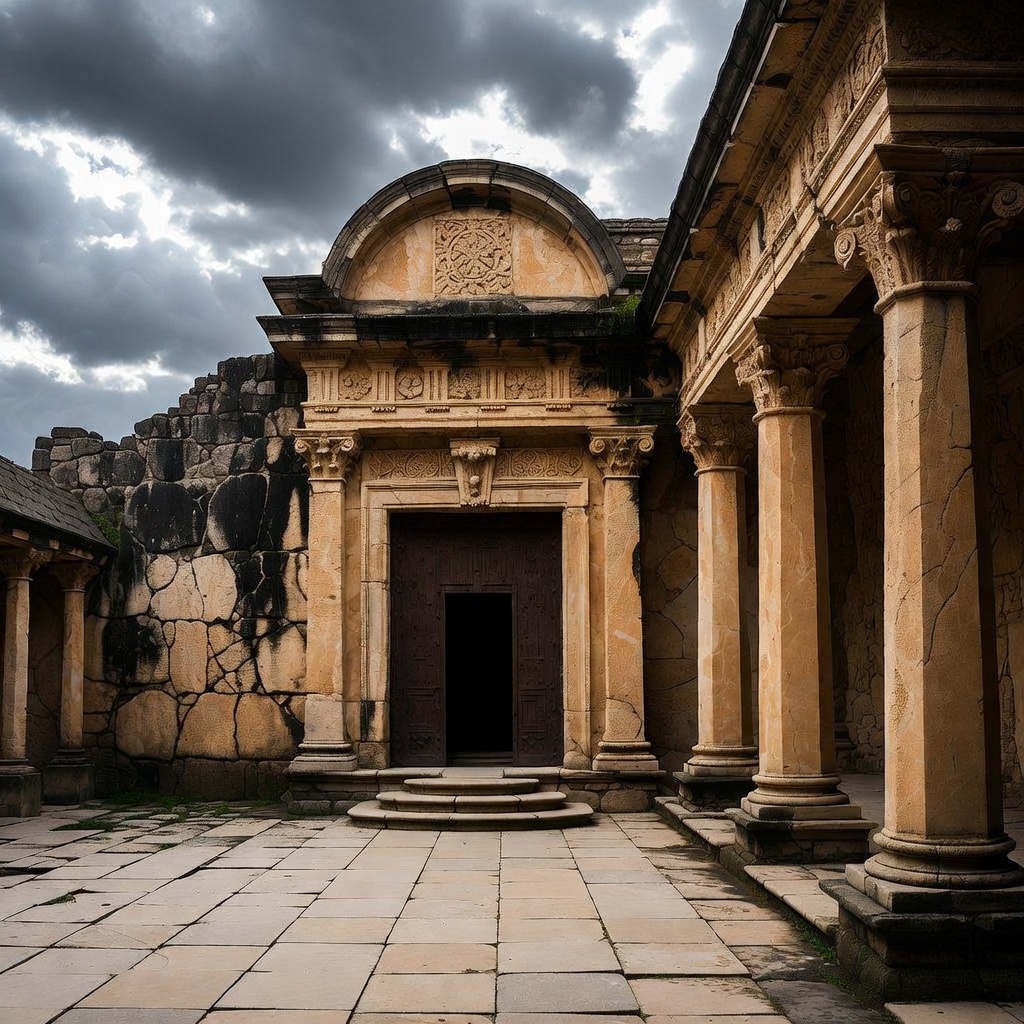
Imagine stepping into a space where the world fades away—not through escape, but through deliberate design. No buzzing notifications, no glaring lights, no echoing chatter. This is the realm of sensory deprivation architecture, a fascinating intersection of built environments and human psychology that strips away distractions to reveal the mind’s unfiltered depths. Far from mere minimalism, it’s an intentional void, crafted to heighten introspection and reset the senses in our overstimulated age.
At its core, sensory deprivation architecture minimizes sensory input—sight, sound, touch, even smell—to induce a state of profound calm or altered consciousness. The concept isn’t new; it echoes ancient practices like monastic cells in medieval Europe, where stone walls and narrow slits for light created pockets of isolation for contemplation. Think of the Carthusian monasteries in the French Alps, with their individual hermitages designed for silent prayer. These weren’t punishments but sanctuaries, proving that architecture can be a tool for spiritual renewal.
Fast-forward to the 20th century, and pioneers like John C. Lilly brought sensory deprivation into modern science with isolation tanks—sealed pods filled with saltwater for weightless floating in darkness and silence. But architecture took it further. Architect Louis Kahn’s Salk Institute in La Jolla, California, subtly employs deprivation principles through its stark concrete forms and vast, open courtyards that frame the ocean while muting urban noise. Here, the interplay of light and shadow creates moments of perceptual pause, allowing researchers to focus amid the chaos of discovery.
One of the most evocative examples is the Rothko Chapel in Houston, designed by Howard Barnstone and Eugene Aubry in 1971. This non-denominational space houses Mark Rothko’s massive, somber paintings in a windowless octagon of muted brick and wood. The dim lighting and absorbent acoustics deprive visitors of external stimuli, drawing them into the artworks’ emotional voids. Rothko himself intended it as a place for “the incandescence of a holy idea,” where sensory reduction amplifies inner experience. Visitors often report transcendent moments—tears, epiphanies—emerging from the quiet.
In contemporary design, sensory deprivation architecture addresses mental health crises. Architects like Peter Zumthor, with his Therme Vals spa in Switzerland, use thermal baths carved from stone to create enveloping silence. Water’s gentle lapping and the rock’s cool embrace deprive the senses of sharpness, promoting relaxation therapies for anxiety and PTSD. Even urban projects, like soundproofed “quiet rooms” in Tokyo’s high-rises, offer respite from the city’s relentless hum.
The benefits are backed by neuroscience: reducing sensory input lowers cortisol levels, enhances creativity, and fosters mindfulness. Studies from the Float Research Collective show that even short sessions in deprivation environments can improve focus and reduce stress, making this architecture a antidote to digital overload.
Yet, it’s not without risks—prolonged isolation can evoke unease, as seen in extreme cases like solitary confinement critiques. Ethical design balances void with subtle cues, ensuring accessibility.
As our world grows louder, sensory deprivation architecture invites us to build not just shelters, but spaces for the soul. Next time you enter a minimalist room or quiet corner, consider: what revelations might emerge when the noise finally stops? In the architecture of absence, we find presence.
Comments are closed