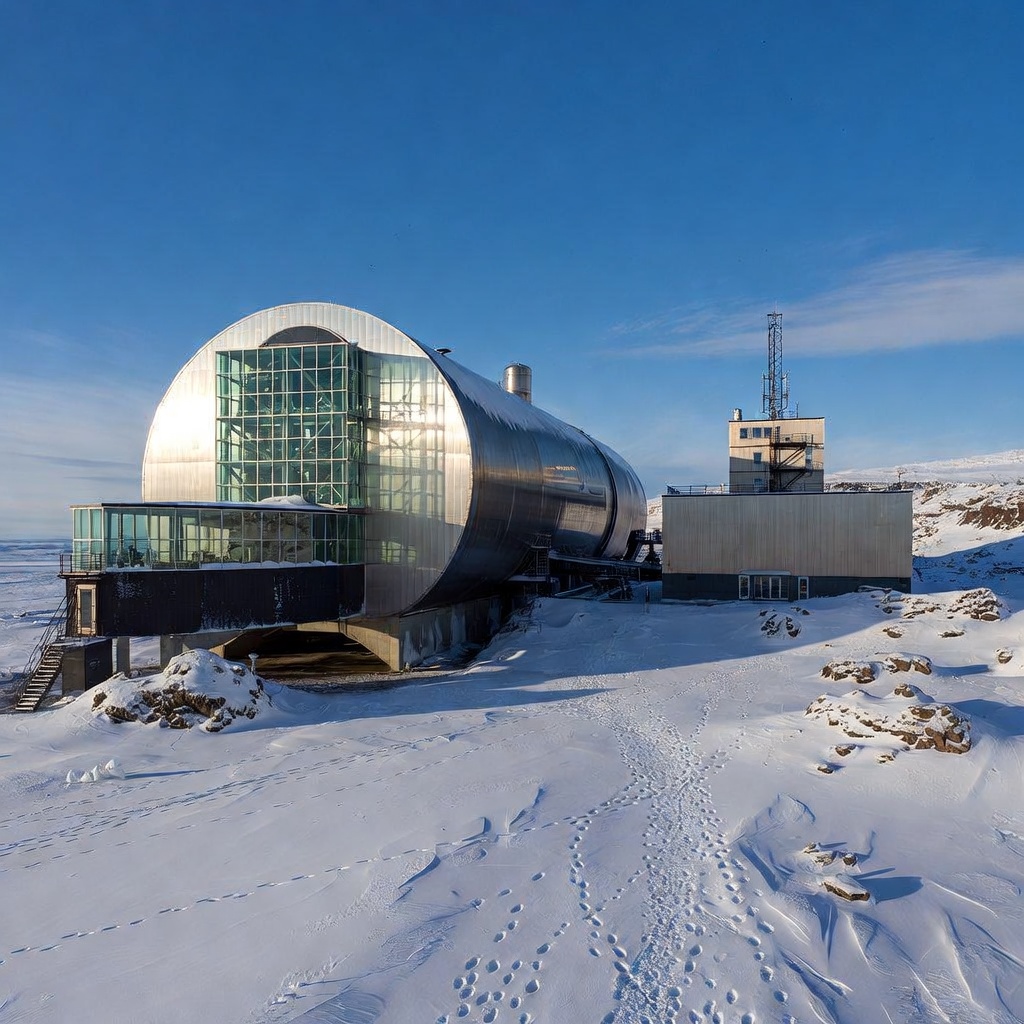
Imagine stepping out into a world where the sun vanishes for months, temperatures plummet to -50°C, and the ground beneath your feet is a shifting mosaic of ice and permafrost. This is the Arctic, a realm of raw beauty and unrelenting peril, where scientists chase clues to our planet’s climate fate. But how do you create a home base here? Designing Arctic research stations isn’t just architecture—it’s a high-stakes puzzle blending engineering wizardry, environmental savvy, and a dash of human psychology. Let’s dive into the icy depths of this fascinating field.
At the heart of Arctic station design lies the battle against the cold. Traditional buildings would crack like eggshells under the freeze-thaw cycles that heave the ground upward. Enter innovative foundations: many stations, like Norway’s Ny-Ålesund in Svalbard, perch on stilts or ski-like runners to float above the unstable tundra. The British Antarctic Survey’s Halley VI station—while technically Antarctic, its tech influences Arctic builds—takes this further with a modular, jack-up design that allows it to be hydraulically lifted above encroaching ice shelves. These aren’t static fortresses; they’re adaptive beasts that move with the landscape.
Energy is another beast to tame. In a place where diesel fuel arrives by ship once a year, sustainability reigns supreme. Modern stations harness wind turbines that brave gale-force winds and solar panels optimized for the midnight sun’s fleeting rays. The Swiss Polar Institute’s Princess Elisabeth Station in Antarctica uses a “positive energy” system, generating more power than it consumes through super-insulated walls and heat-recapturing tech. Arctic equivalents, such as Canada’s Polar Environment Atmospheric Research Laboratory (PEARL) on Ellesmere Island, integrate geothermal probes to tap residual earth warmth, slashing fossil fuel reliance. It’s not just green—it’s survival. A single power glitch in -40°C could spell disaster.
But design goes beyond bricks and bolts; it must nurture the human spirit in isolation. Researchers endure six-month polar nights, so stations incorporate “biophilic” elements: vast windows framing aurora views, indoor greenhouses for fresh veggies, and communal hubs mimicking cozy cafes. Psychological studies inform layouts—private pods for solitude amid shared labs buzzing with collaboration. Noise-dampening materials muffle the constant hum of generators, while VR setups combat cabin fever. Wildlife threats, from polar bears to avalanches, demand reinforced perimeters with motion-sensor lights and evacuation pods.
Looking ahead, climate change amps up the urgency. As sea ice melts, stations must withstand fiercer storms and rising waters, incorporating flood barriers and drone-deployed repairs. Emerging tech like 3D-printed habitats from recycled snow or AI-monitored structures promises even smarter builds. These outposts aren’t mere shelters; they’re crucibles for discovery, from tracking methane leaks to modeling global warming. As we push deeper into the Arctic’s secrets, their designs remind us: innovation isn’t optional—it’s the thin line between exploration and extinction.
In this frozen frontier, every blueprint is a testament to human ingenuity, turning an unforgiving wilderness into a launchpad for saving our world.
Comments are closed