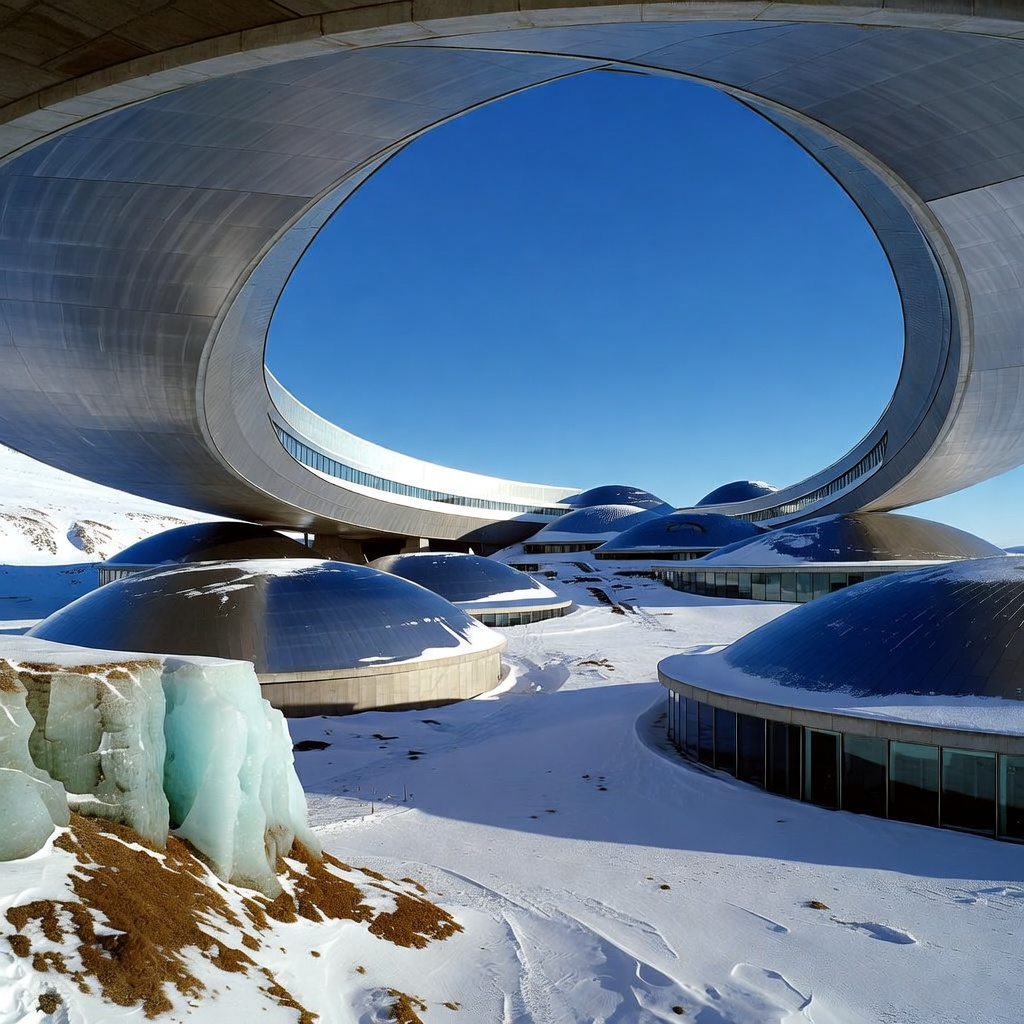
Imagine standing on a vast, windswept plain where the temperature plummets to -50°C, the sun vanishes for months, and every structure must defy nature’s fury. This is the Arctic, a realm of profound scientific discovery and unrelenting challenge. Arctic research stations aren’t just buildings; they’re engineered marvels, blending cutting-edge technology with human ingenuity to support scientists studying everything from climate change to polar wildlife. As global warming accelerates, designing these outposts has become a high-stakes puzzle, balancing survival, sustainability, and science.
The primary foe? The cold. Traditional construction fails here—steel contracts and cracks, concrete shatters like glass. Enter innovative materials: stations like the British Antarctic Survey’s Halley VI use elevated, ski-legged platforms to float above accumulating snow, preventing burial. These “mobile homes” can be jacked up or relocated, adapting to shifting ice. Insulation is king; walls boast multiple layers of aerogel and foam, rivaling spacecraft tech, to trap heat from limited fuel sources. Windows? Triple- or quadruple-glazed with low-emissivity coatings to let in precious light while blocking the freeze.
Energy autonomy is another crux. Isolated by thousands of miles, stations can’t rely on grid power. Solar panels, though challenged by polar night, pair with wind turbines harnessing gale-force gusts. The Amundsen-Scott South Pole Station, perched at 2,800 meters elevation, generates power via diesel generators backed by experimental nuclear micro-reactors in development. Waste heat from these systems warms living quarters, turning necessity into efficiency. Water, too, demands creativity: melt snow with electric boilers or harvest from ice cores, then purify it through reverse osmosis to avoid contaminants.
Logistics shape design profoundly. Modular prefabrication allows components to be shipped in via icebreakers or airlifted by C-130s, assembled on-site like giant Legos. The Norwegian Troll Station exemplifies this, its A-frame modules bolted together for quick deployment and easy repairs. Interior layouts prioritize mental health in isolation—open communal spaces with ergonomic furniture combat cabin fever, while private pods offer solitude. Greenhouses, hydroponic farms, and even 3D-printed food labs ensure nutritional self-sufficiency, reducing resupply flights that burn fossil fuels.
Sustainability drives modern iterations. As permafrost thaws, stations incorporate geotechnical monitoring to predict ground shifts. The Arctic Council pushes for zero-waste designs, with composting toilets and recyclable materials. Emerging concepts like the EU’s Nunavut Silk project explore bio-inspired architecture—think penguin huddles for wind deflection or whale blubber-like insulation from plant-based synthetics.
These stations aren’t mere shelters; they’re gateways to understanding our planet’s pulse. From tracking methane releases in thawing tundra to monitoring auroral displays, they fuel breakthroughs that could reshape our world. Yet, as the Arctic warms twice as fast as the globe, designing for tomorrow means anticipating fiercer storms and rising seas. It’s a testament to human resilience: in the heart of the freeze, we’re building bridges to knowledge, one insulated beam at a time. As we push these frozen frontiers, who knows what secrets we’ll unearth next?
Comments are closed