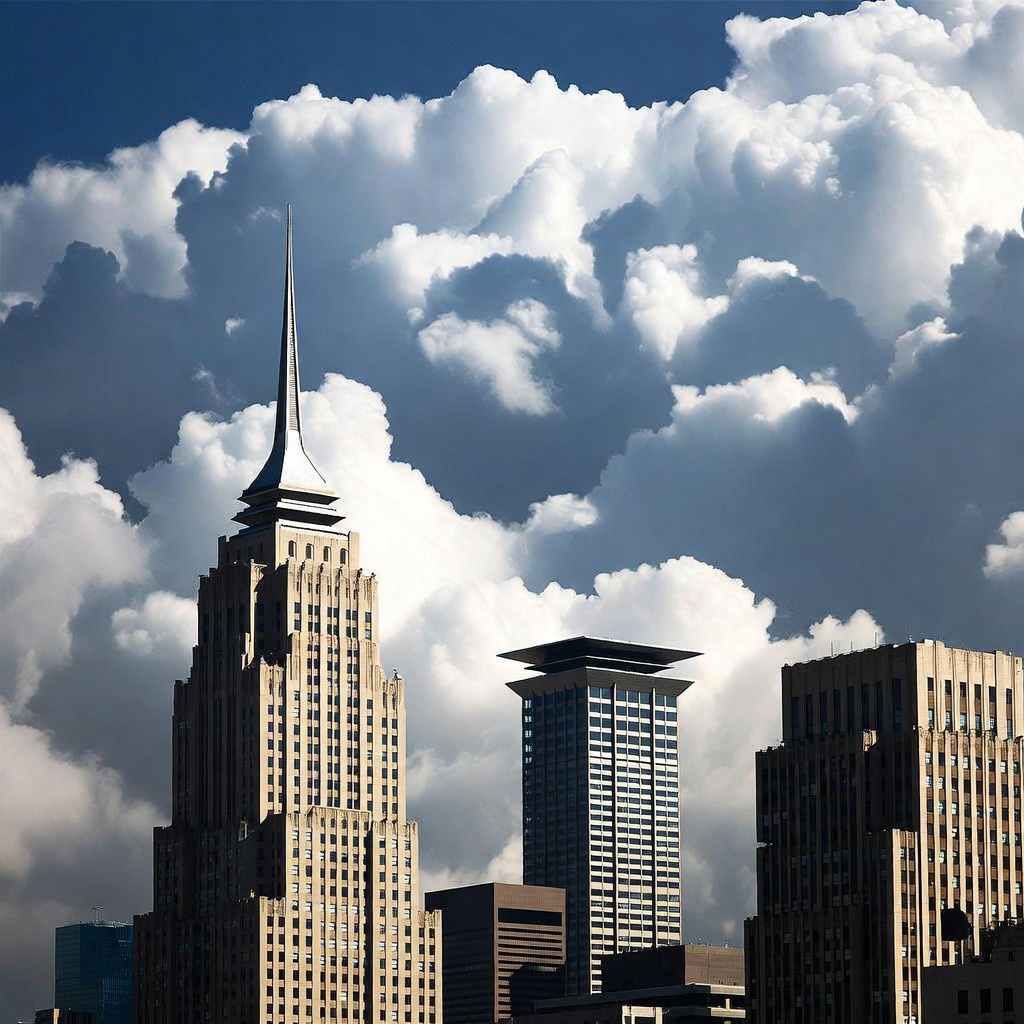
Imagine a city where buildings twist like supersonic jets, elevators soar without end, and the skyline pulses with the rhythm of machinery. This isn’t a scene from a sci-fi blockbuster—it’s the audacious vision of Futurist architecture, a movement that dared to blueprint the future over a century ago. Born in the electric hum of early 20th-century Italy, Futurism wasn’t just an art style; it was a manifesto for speed, innovation, and unbridled progress. Let’s dive into this exhilarating chapter of design history and see how its radical ideas still propel our urban landscapes.
Futurism exploded onto the scene in 1909, thanks to poet Filippo Tommaso Marinetti’s incendiary manifesto, which celebrated the beauty of roaring motors and the death of dusty museums. Architecture quickly became its boldest canvas. Enter Antonio Sant’Elia, the movement’s visionary architect, whose 1914 drawings for “Città Nuova” (New City) remain jaw-dropping. Picture this: colossal towers layered like circuit boards, interconnected by sky bridges and spiraling ramps. No quaint arches or ornate facades here—Sant’Elia’s structures were pure function fused with frenzy, inspired by factories, power plants, and the relentless march of industrialization. He envisioned homes as “mobile” units, adapting to the nomadic spirit of modern life, with utilities like electricity and plumbing integrated seamlessly into the machine-age aesthetic.
But why the obsession with velocity? Futurists rejected the weight of history, viewing traditional architecture as a relic of stagnation. In their world, buildings weren’t static monuments; they were dynamic organisms, echoing the thrill of automobiles and airplanes. Sadly, Sant’Elia died young in World War I, but his sketches ignited a fire. Influences rippled through Europe, shaping the likes of Russian Constructivism—think Vladimir Tatlin’s unrealized Monument to the Third International, a twisting tower that spiraled toward the heavens like a DNA helix on steroids.
Fast-forward, and Futurism’s DNA threads through modernism and beyond. Le Corbusier’s “machines for living” echoed its functional purity, while today’s starchitects like Zaha Hadid channeled its fluid dynamism in swooping structures like the Heydar Aliyev Center in Baku, a seamless wave of white that defies gravity. Even in pop culture, from Blade Runner’s neon spires to Dubai’s Burj Khalifa, we see Futurist echoes: verticality as aspiration, technology as artistry.
Yet, Futurism wasn’t flawless. Its glorification of war and mechanization feels chilling in hindsight, a reminder that progress can veer into peril. Still, its core thrill endures—architecture as a catalyst for human potential. In an era of climate crises and smart cities, could we revive Sant’Elia’s boldness? Imagine sustainable megastructures harnessing solar winds or AI-driven forms that evolve with us. Futurist architecture challenges us: Why build backward when the future beckons? As we stand on the cusp of tomorrow, these early dreamers remind us that the boldest blueprints start with a spark of imagination. What’s your vision for the skyline ahead?
Comments are closed