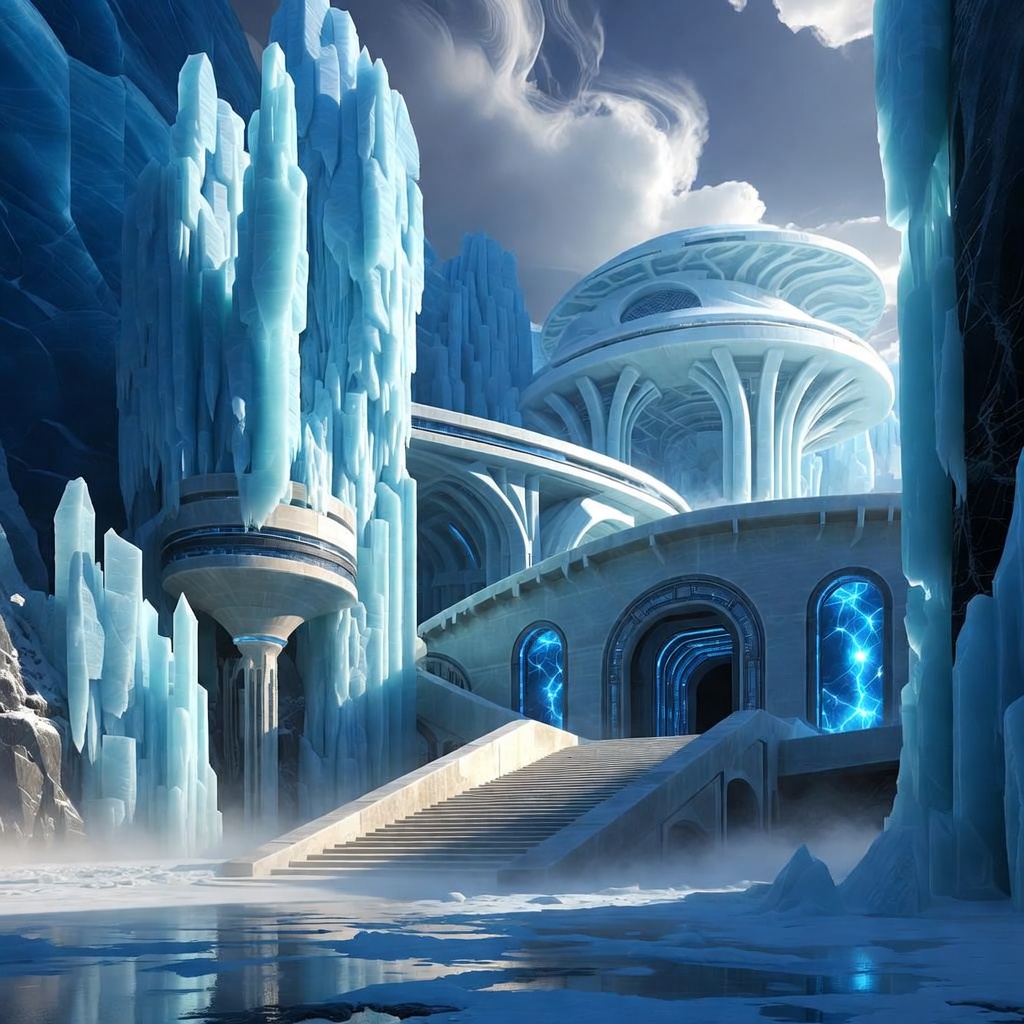
Imagine standing on a frozen expanse where the sun vanishes for months, temperatures plummet to -50°C, and the nearest neighbor is a polar bear. This is the Arctic, a realm of breathtaking beauty and brutal extremes, where scientists chase secrets of climate change, wildlife, and ancient ice. But how do you build a home—er, research station—in such a hostile paradise? Enter the unsung architects of polar exploration: the designers who turn survival into science.
Arctic research stations aren’t your average labs. They’re fortresses against nature’s fury, engineered for isolation that can last years. The primary foe? The cold. Standard buildings would crack like eggshells under thermal expansion and relentless frost heave, where permafrost shifts and heaves the ground. Solution: elevated foundations or, better yet, mobility. Take the Halley VI station in Antarctica (a close cousin to Arctic designs), perched on hydraulic legs with ski-like feet. It “walks” across the ice at 23 meters per hour, evading crevasses and melt. Arctic stations like Canada’s PEARL (Polar Environment Atmospheric Research Laboratory) on Ellesmere Island adopt similar tricks, using insulated modules that can be relocated as ice flows dictate.
Energy is another beast. With no power grid for thousands of kilometers, stations must be self-reliant. Wind turbines whirl in gale-force winds, solar panels (when the midnight sun cooperates) capture fleeting light, and diesel generators hum as backup. But sustainability reigns supreme—designers minimize fuel transport’s carbon footprint. The Norwegian Troll research station in Antarctica runs on wind power for much of the year, a model echoed in Svalbard’s Ny-Ålesund, where hydrogen fuel cells and geothermal probes test eco-friendly futures. Insulation is king: triple-glazed windows, aerogel blankets thicker than your winter coat, and heat-recovery systems that recycle every BTU. These aren’t just cozy; they’re lifesavers, preventing pipes from freezing and keeping labs humming.
Logistics add intrigue. Everything arrives by ship or plane in summer’s brief window, so modularity is key. Prefab units snap together like high-tech Legos, allowing quick assembly and easy upgrades. Interior designs prioritize mental health in confinement—think open communal spaces with natural light simulations to combat seasonal affective disorder, gyms to burn cabin fever, and even greenhouses for fresh veggies amid the endless white.
Yet, challenges evolve with climate change. Thawing permafrost threatens foundations, fiercer storms demand sturdier shells, and rising seas nibble at coastal sites. Future designs incorporate AI-monitored structures that predict and adapt—sensors alerting to ice shifts, 3D-printed repairs from recycled snow (yes, really). Biodiversity protection is woven in: low-impact footprints, wildlife corridors, and zero-waste protocols ensure stations don’t harm the fragile ecosystem they’re studying.
These ice palaces aren’t just buildings; they’re portals to understanding our warming world. From probing auroras to tracking melting glaciers, they enable breakthroughs that ripple globally. As we design for the Arctic’s tomorrow, we’re not just surviving the freeze—we’re illuminating the path forward. Who knows? Your next climate insight might hail from one of these frozen frontiers.
Comments are closed