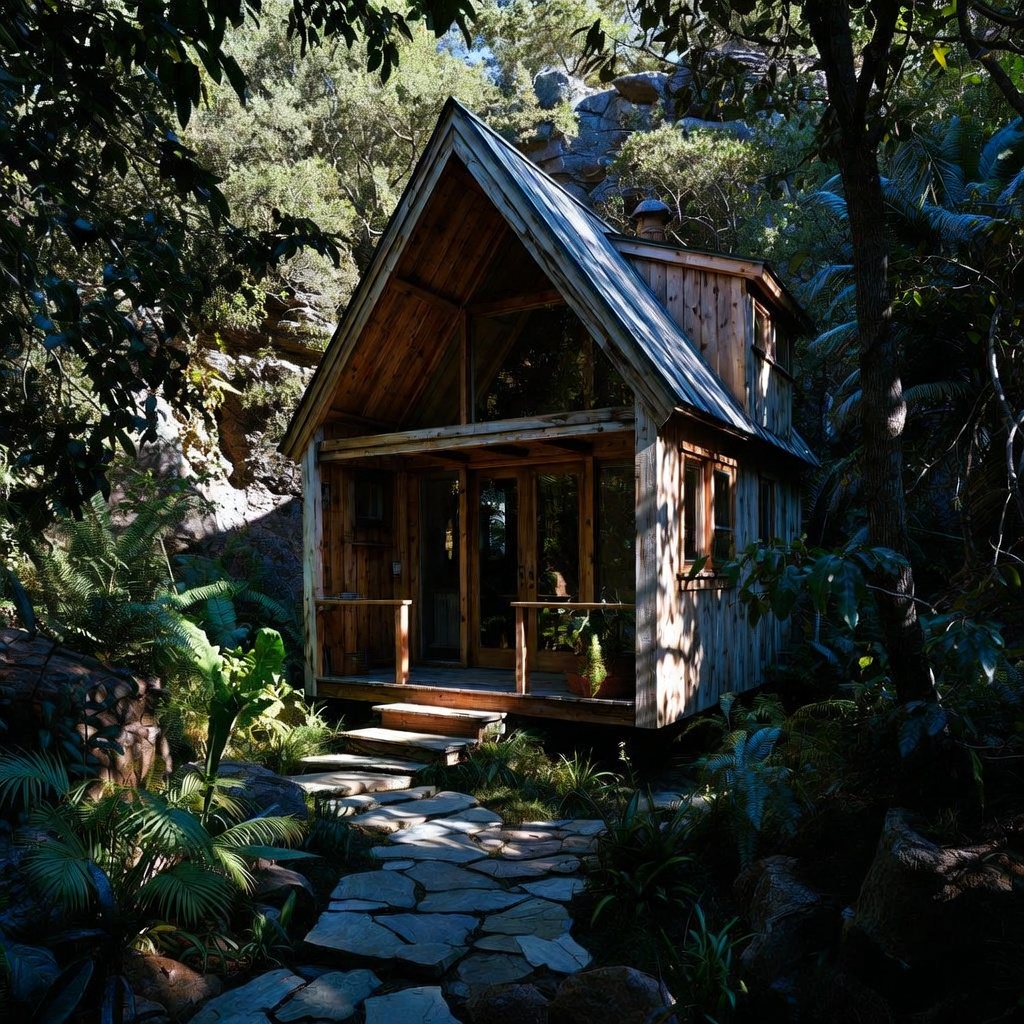
Imagine waking up in a cozy nook, sunlight filtering through a skylight onto a bed that doubles as a dining table. Your kitchen is steps away—literally—and everything you own fits into a space no bigger than a parking spot. Welcome to the world of tiny homes, where less really is more, and the minimalist dream is becoming a tangible reality for thousands.
Tiny homes, typically under 400 square feet, have exploded in popularity over the past decade. What started as a quirky offshoot of the homesteading movement has morphed into a mainstream lifestyle choice, fueled by skyrocketing housing costs and a collective yearning for simplicity. According to the Tiny House Society, over 80,000 people in the U.S. now live in these compact dwellings, with communities popping up from California’s coast to the rolling hills of Vermont.
So, why go tiny? The perks are as compact as the homes themselves. First off, affordability: Building or buying a tiny home can cost anywhere from $20,000 to $100,000— a fraction of the average U.S. home price, which hovers around $400,000. This makes homeownership accessible for millennials saddled with student debt or retirees seeking a low-maintenance escape. Financial freedom is a big draw; many owners slash utility bills by up to 50% thanks to energy-efficient designs like solar panels and composting toilets.
Sustainability is another star attraction. Tiny homes use fewer resources, reducing your carbon footprint without sacrificing comfort. Picture a home on wheels, towed to a scenic spot and hooked up to off-grid power—pure eco-bliss. Plus, the lifestyle forces intentional living. No room for clutter means you curate what truly matters, fostering mental clarity and less stress. I once visited a tiny home village in Oregon where residents raved about stronger community bonds; shared spaces like communal kitchens encourage neighborly chats over backyard barbecues.
But it’s not all sunshine and square footage. Challenges abound. Space constraints demand creativity—multi-functional furniture like Murphy beds and fold-out desks are must-haves. Zoning laws can be a nightmare; not every town welcomes “mobile” homes, and some classify them as RVs, limiting where you can park. Resale value is tricky too, as the market is niche. And let’s be real: if you’re a family of four, cramming into 200 square feet might test even the strongest bonds.
Despite the hurdles, the tiny home movement is evolving. Innovators are incorporating smart tech, like voice-activated lights and app-controlled climate systems, to maximize efficiency. Custom builders now offer prefab options that assemble in days, blending rustic charm with modern flair—think reclaimed wood exteriors paired with sleek, minimalist interiors.
If you’re intrigued, start small: Visit a tiny home festival (they’re everywhere from Austin to Portland) or rent one on Airbnb for a trial run. Research local regulations and connect with online forums like Tiny House Talk for insider tips. Whether you’re dreaming of a woodland retreat or an urban micro-pad, tiny homes prove that happiness isn’t measured in square feet—it’s in the life you build within them. Who knows? Your next adventure might just fit in the palm of your hand.
Comments are closed