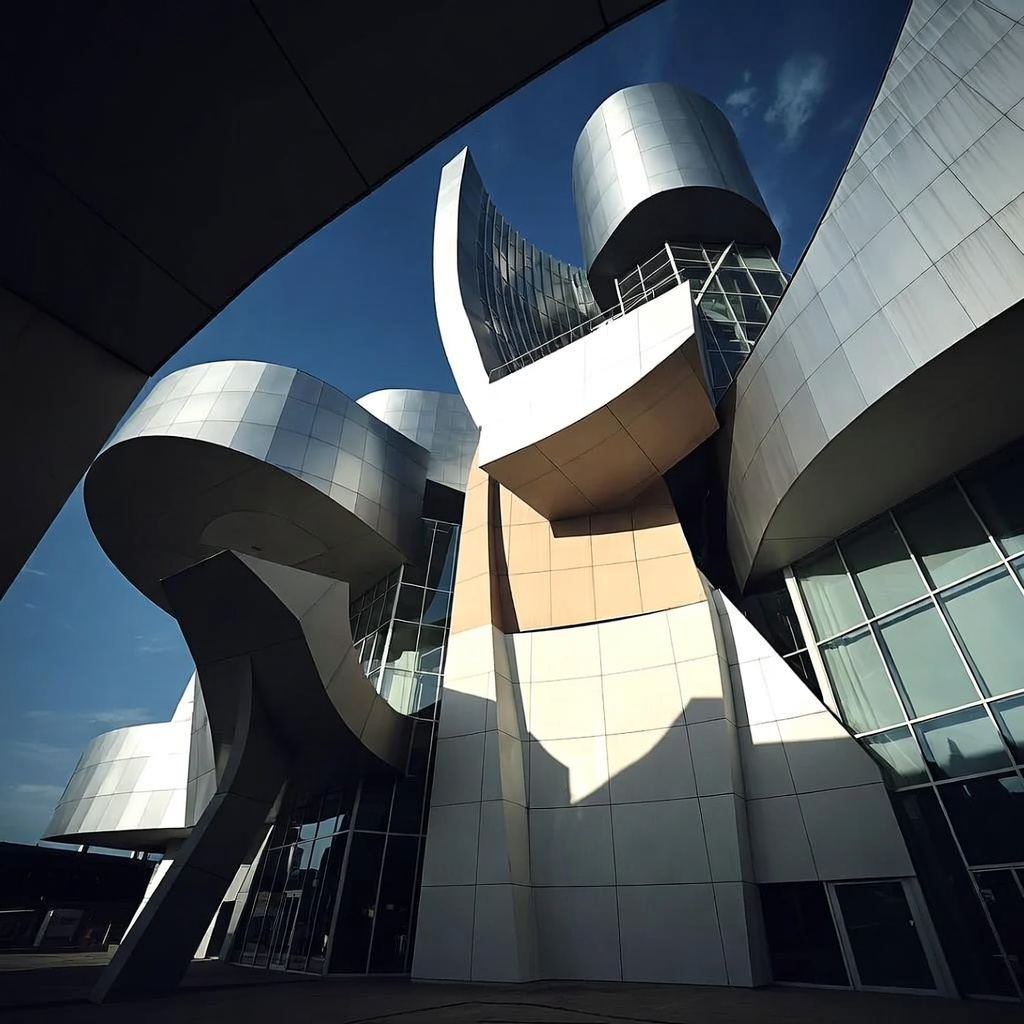
Imagine a skyscraper that twists like a dancer in the wind, or a stadium roof that unfurls like a blooming flower to chase the sun. This isn’t science fiction—it’s kinetic architecture, where buildings come alive, responding to their environment, users, and the whims of design. In a world dominated by static structures, kinetic architecture injects movement, energy, and interactivity into the built environment, blending engineering prowess with artistic flair.
At its core, kinetic architecture refers to structures that incorporate mechanical or natural movement to adapt, transform, or engage. The term “kinetic” derives from the Greek word for motion, and it encompasses everything from simple pivoting panels to complex, computer-controlled facades. Pioneered in the mid-20th century, it gained traction with visionaries like Buckminster Fuller, whose geodesic domes hinted at responsive design. But it was the 1960s and ’70s—amid the space race and counterculture—that truly ignited the field. Architects like Jean Prouvé experimented with movable walls, while the 1972 Munich Olympic Stadium by Frei Otto featured a tensile roof that flexed like a sail.
Fast-forward to today, and kinetic elements are everywhere, solving real-world problems with elegant ingenuity. Take the Al Bahar Towers in Abu Dhabi: their dynamic facade, inspired by traditional mashrabiya screens, consists of 1,000 triangular umbrellas that open and close like petals to shade the building from the relentless desert sun. This not only reduces cooling needs by up to 40% but also creates a mesmerizing ripple effect across the towers’ surface. Or consider the rotating Beijing National Stadium—better known as the Bird’s Nest—from the 2008 Olympics. Its interlocking steel beams allow for subtle shifts, symbolizing China’s dynamic rise.
What makes kinetic architecture so captivating? Beyond aesthetics, it’s about sustainability and functionality. In an era of climate change, these buildings optimize energy use: solar-tracking panels on the Bullitt Center in Seattle follow the sun to maximize renewable power, while the retractable roof of the Mercedes-Benz Stadium in Atlanta opens during mild weather to cut air-conditioning demands. Movement also enhances user experience—think of the MediaTIC building in Zaragoza, Spain, with its undulating ETFE cushions that inflate and deflate, creating shaded, breathable spaces that feel alive.
Of course, challenges abound. Kinetic systems require sophisticated engineering, maintenance, and often hefty upfront costs. Sensors, motors, and hydraulics must withstand wear and tear, and failures—like a stuck panel—can be costly. Yet, advancements in AI and robotics are paving the way for smarter, more affordable designs. Projects like the Hyundai Pavilion at the 2012 Yeosu Expo featured a massive rotating orb that symbolized global connectivity, hinting at a future where buildings evolve in real-time, perhaps even self-repairing or adapting to occupant moods via biometric data.
As we hurtle toward smarter cities, kinetic architecture promises a more harmonious relationship between humans and their habitats. It’s not just about buildings that move; it’s about spaces that breathe, respond, and inspire. Next time you gaze up at a towering edifice, wonder: what if it could dance? In the hands of innovative architects, it just might.
Comments are closed