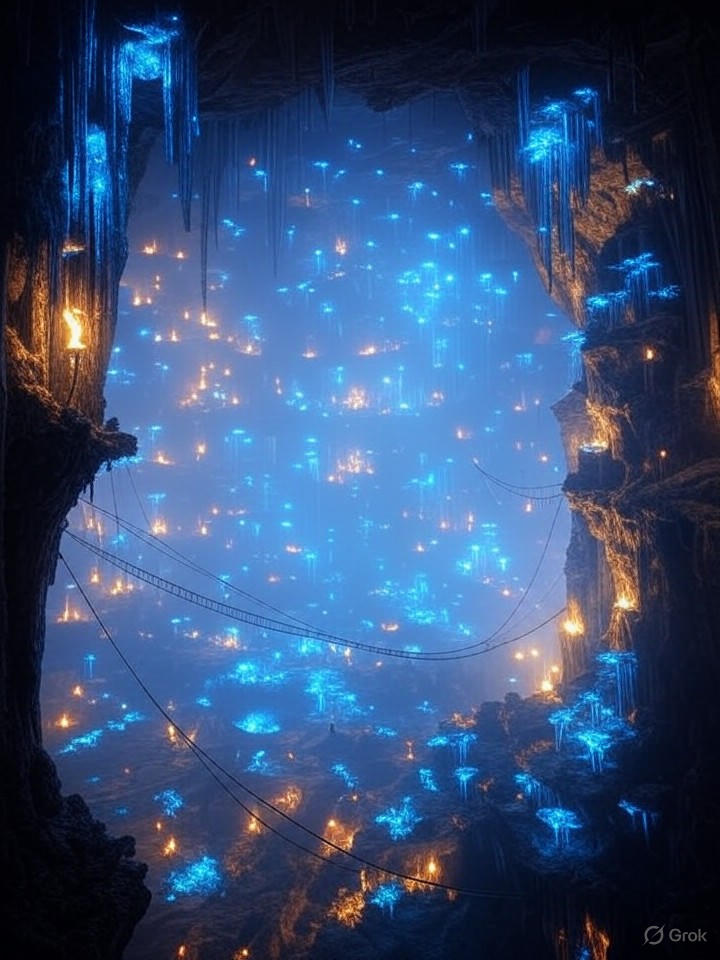
Imagine waking up to the soft hum of earth above you, sunlight filtered through clever skylights, and a home that’s cooler in summer, warmer in winter—all without a single utility bill spiking through the roof. Welcome to the fascinating realm of underground dwellings, where humans have been innovating against the elements for millennia. From ancient troglodytes to modern eco-mavens, these subterranean sanctuaries prove that down is the new up in sustainable living.
Our story begins thousands of years ago in places like Matmata, Tunisia, where Berber families still inhabit yaodts—pit houses dug deep into the soft limestone. These aren’t primitive caves; they’re multi-level marvels with courtyards open to the sky, connected by tunnels that keep interiors a steady 20°C (68°F) year-round. The troglodytes of Spain’s Guadix region take it further, carving entire villages into hillsides, complete with whitewashed facades that blend into the landscape. These homes, some dating back to the Bronze Age, offer natural insulation, earthquake resistance, and zero carbon footprint—perfect for off-grid life.
Fast-forward to the 1970s American earth-sheltered movement, sparked by energy crises and pioneers like Malcolm Wells, the “father of underground architecture.” Wells championed “earth-covered” designs, where berms of soil hug the structure, slashing heating costs by up to 80%. Take the famous Earthship Biotecture homes in Taos, New Mexico: built from recycled tires packed with earth, these off-grid wonders harvest rainwater, generate solar power, and grow food indoors. Owner Michael Reynolds quips, “Why fight nature when you can let it hug your house?”
Modern underground living isn’t just hippie fringe—it’s high-tech luxury. In Coober Pedy, Australia, “dugouts” house 2,500 residents amid opal mines, featuring underground pubs, churches, and pools cooled by geothermal vents. Europe’s going bolder: the Hobitak in Wales mimics Tolkien’s shire with turf-roofed hobbit holes, while Finland’s AirBnB-famous underground hotel, Kakslauttanen, offers glass-domed igloos buried in snow for northern lights viewing. And don’t forget innovative projects like France’s Habiterre, a 400-square-meter buried mansion with a swimming pool and cinema, all earthquake-proof and energy-neutral.
Why dig in today? Climate change is a big driver. Underground homes reduce urban sprawl, preserve topsoil, and combat extremes—think passive cooling amid heatwaves or insulation against floods. Studies from the Underground Space Center at the University of Minnesota show they use 10 times less energy than above-ground equivalents. Challenges exist: construction costs can hit $200-400 per square foot due to excavation and waterproofing, plus permitting hurdles in seismic zones. Yet, with 3D-printed earth homes slashing build times, affordability is dropping.
As cities densify and resources dwindle, underground living beckons as a clever retrofit for our planet. Whether you’re dreaming of a bunker chic retreat or a full hobbit haven, these hidden homes remind us: the best foundations are literally underfoot. Ready to trade your skyline view for earth’s embrace? The ground floor is waiting.
Comments are closed