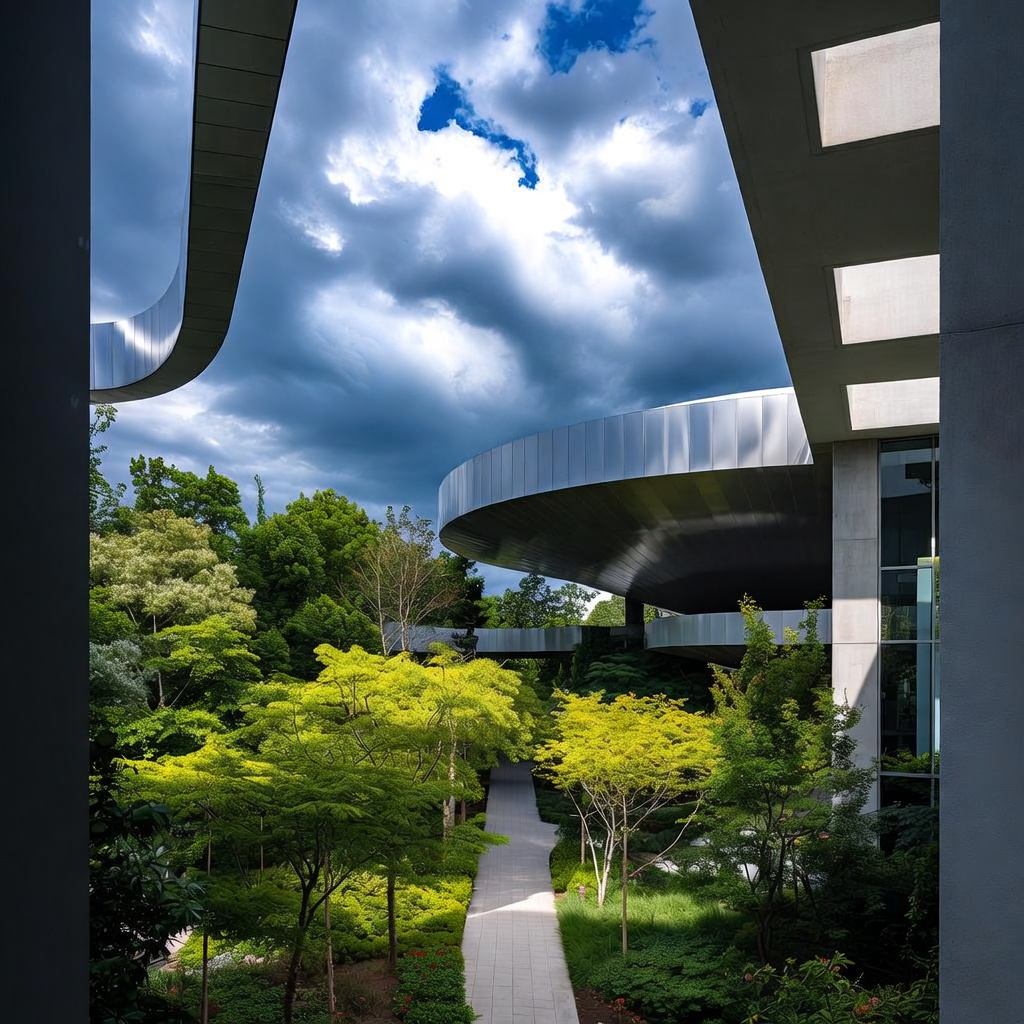
Have you ever stepped into a garden and felt the weight of the world lift, if only for a moment? That’s no accident—it’s the quiet magic of therapeutic garden design. These aren’t your average backyard plots; they’re intentional spaces engineered to nurture mental, physical, and emotional well-being. From hospital courtyards to community healing centers, therapeutic gardens are blooming worldwide, backed by research showing they reduce stress hormones, lower blood pressure, and even speed recovery times. Let’s dig into how to create one that truly soothes the soul.
At its core, therapeutic garden design prioritizes accessibility and sensory engagement. Start with universal design principles: wide, smooth paths (at least 36 inches) made of firm materials like decomposed granite or permeable pavers ensure wheelchairs and strollers glide effortlessly. Gentle ramps replace stairs, and resting spots—benches with backrests and armrests—are placed every 30-40 feet. For those with mobility challenges, raised planting beds at 24-34 inches high bring the garden to waist level, eliminating the need to bend or kneel.
Sensory stimulation is the secret sauce. Engage all five senses to create a multisensory symphony. Sight comes alive with vibrant, contrasting colors: fiery red salvias for energy, cool blues from delphiniums for calm, and textural contrasts like feathery ferns against bold hostas. Touch invites interaction—fuzzy lamb’s ear, smooth river rocks, or fragrant herbs like lavender and rosemary. Hearing thrives with rustling ornamental grasses, a bubbling water feature (think a simple fountain or stream to mask urban noise), and bird-attracting feeders. Smell? Plant a “fragrance walk” with roses, mint, and citrus-scented geraniums. Taste seals the deal in edible sections: berry bushes, herb spirals, or dwarf fruit trees for mindful harvesting.
Therapeutic gardens also weave in psychological elements. Curved paths encourage slow, meditative wandering, mimicking natural contours to reduce anxiety—straight lines feel institutional, after all. Enclosed “rooms” defined by arbors or hedges provide safe, private nooks for reflection, while open meadows foster social connection. Incorporate nature’s rhythms: seasonal bloomers ensure year-round interest, and wildlife elements like birdbaths or butterfly gardens promote biodiversity and wonder.
Evidence underscores the impact. A study by the American Horticultural Therapy Association found garden users report 20-30% reductions in cortisol levels after just 20 minutes. In dementia care, familiar plants like lavender trigger positive memories, easing agitation. For veterans with PTSD, grounded designs with sturdy trees symbolize resilience.
Ready to cultivate your own? Assess your space and users—kids might love play mounds and swings, while seniors prefer shaded seating. Consult local experts or apps like Garden Planner for layouts. Native plants minimize maintenance and support pollinators, keeping costs low (expect $10-20 per square foot for a basic setup). Sustainable features like rain gardens add eco-therapy.
In a world of screens and stress, therapeutic gardens remind us: healing doesn’t require a prescription, just a patch of earth thoughtfully planted. So grab your trowel—your oasis awaits.
(Word count: 462)
Comments are closed