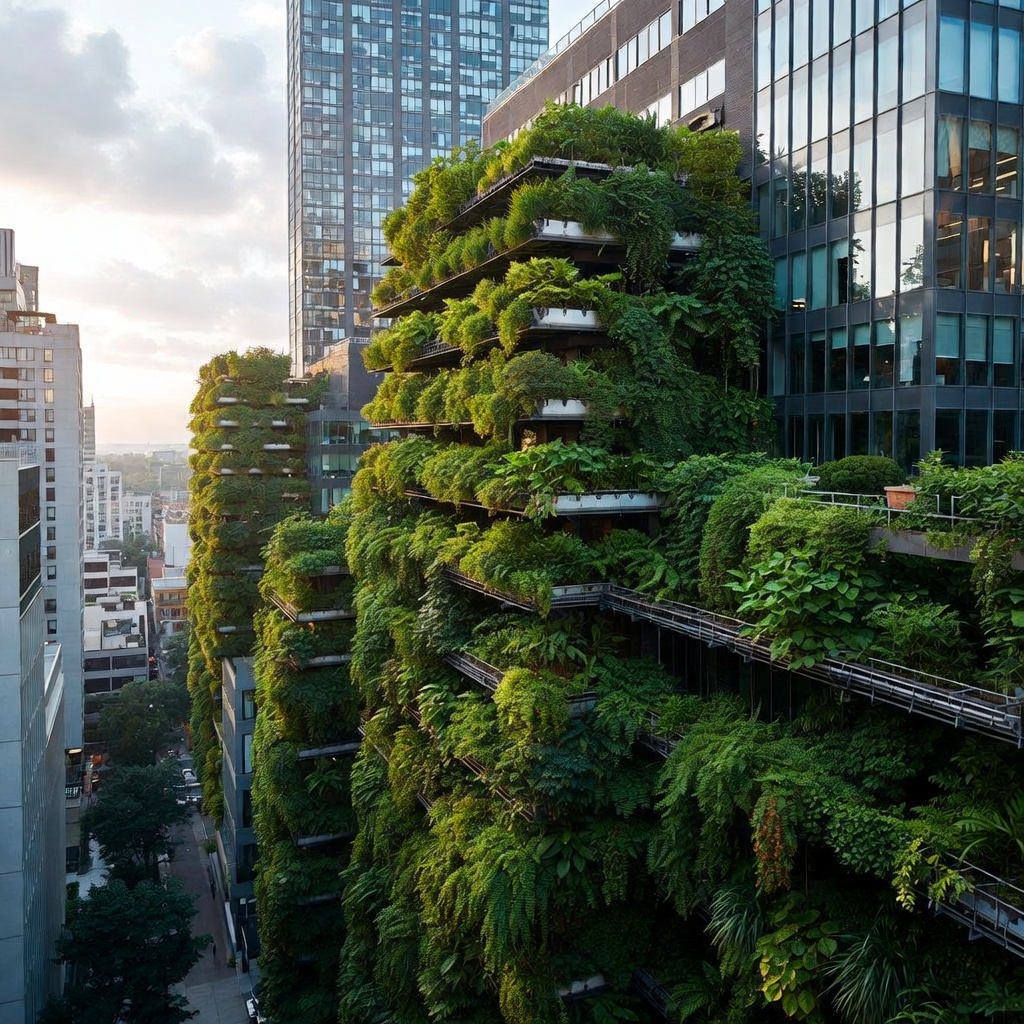
Picture this: You’re navigating the concrete jungle of a bustling metropolis, dodging taxis and sipping overpriced coffee, when suddenly, a towering wall bursts into life. Vines heavy with tomatoes twist upward, basil leaves flutter like green flags, and strawberries dangle like ruby jewels—all without a patch of soil in sight. Welcome to the world of urban vertical gardens, where city dwellers are stacking their salads sky-high and reclaiming vertical space in the most delicious way possible.
Vertical gardening isn’t just a trendy Instagram flex; it’s a smart, sustainable response to urban density. In cities like New York, Tokyo, and Singapore, where horizontal real estate comes at a premium (think Manhattan apartments smaller than a parking spot), going vertical makes perfect sense. These gardens use wall-mounted planters, hydroponic towers, or pocket pouches to grow food in layers, maximizing every square inch. No backyards required—just a sunny wall, some recycled plastic bottles, or even old gutters transformed into lush planters.
The magic lies in the systems. Hydroponics, for instance, ditches soil entirely, suspending plant roots in nutrient-rich water. LED grow lights mimic the sun for indoor setups, while drip irrigation recycles every drop—perfect for water-scarce cities. Take Singapore’s Changi Airport Jewel, where a 50-foot indoor waterfall feeds a vertical farm producing greens year-round. Or Paris’s vertical farms on warehouse exteriors, harvesting 1,000 kilos of produce weekly. These aren’t gimmicks; they’re producing real food. A single 10-foot tower can yield 20 heads of lettuce per cycle, enough for a family’s salads without a trip to the supermarket.
Why go green (literally) in the gray zone? First, fresh eats: Homegrown herbs and veggies taste worlds better than plastic-wrapped supermarket fare, and you control the pesticides—or lack thereof. Second, sustainability superstars: Vertical gardens insulate buildings, slashing energy bills by up to 30% in summer heat. They combat urban heat islands, filtering CO2 and pumping out oxygen amid smog-choked streets. Third, mental health boost—tending to your wall of wonders is therapy, reducing stress by 20% according to studies from the University of Melbourne.
Getting started is easier than assembling IKEA furniture. Beginners can snag affordable felt pockets from online shops for under $50, stuffing them with succulents or microgreens. Scale up with modular systems like Gardener’s Supply towers or DIY PVC pipes. Pro tips: South-facing walls get prime sun; choose compact varieties like cherry tomatoes or dwarf kale; and monitor moisture to avoid root rot. Communities like London’s “Grow Up Urban Farms” offer workshops, proving you don’t need a green thumb—just enthusiasm.
As cities swell—projected to house 68% of the world’s population by 2050—vertical gardens are our edible escape hatch. They’re not just growing plants; they’re growing hope, flavor, and resilience one layer at a time. So, next time you eye that blank balcony wall, grab some pots and get stacking. Your city salad awaits.
(Word count: 462)
Comments are closed