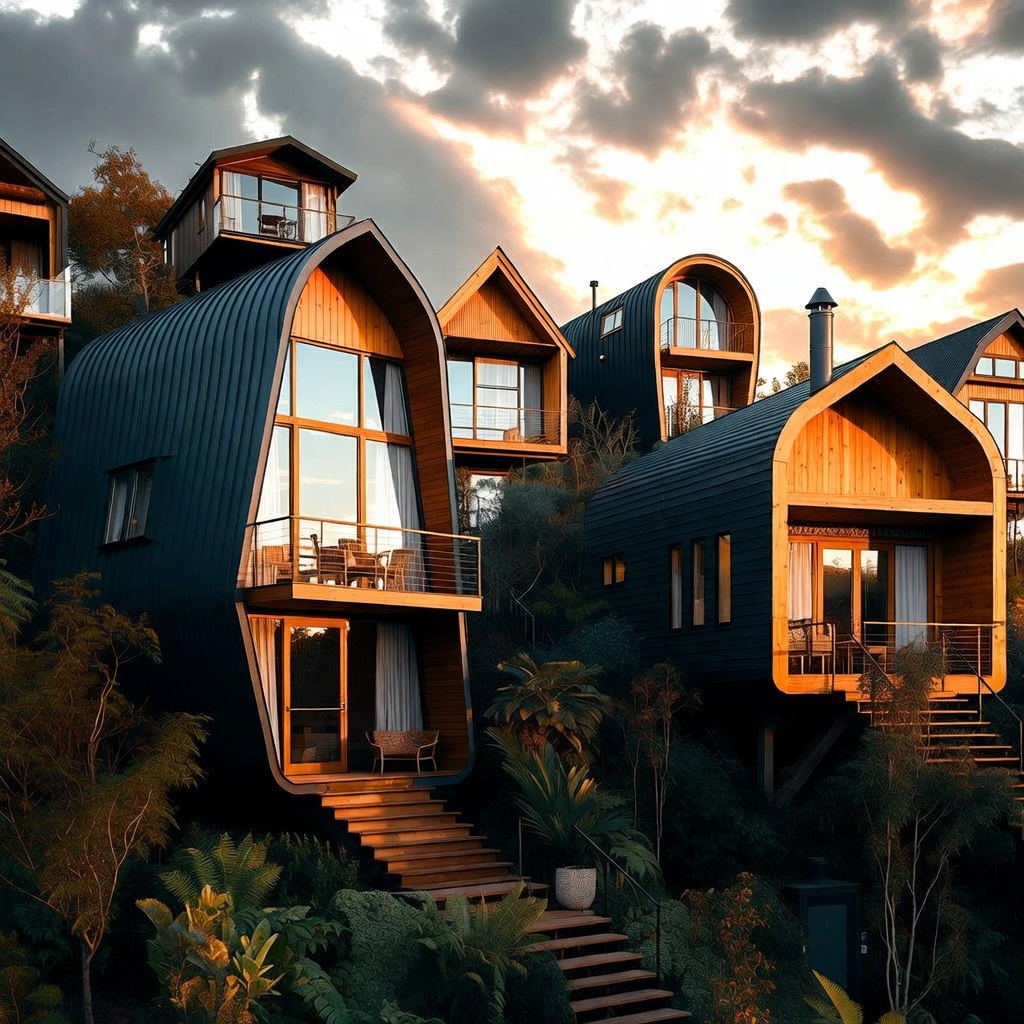
Imagine waking up to birdsong in a cozy 200-square-foot haven, your morning coffee brewing on a solar-powered stove while mountain views unfold through floor-to-ceiling windows. No mortgage monster lurking, no utility bills devouring your paycheck—just pure, unfiltered freedom. Welcome to the world of tiny homes, where less is not only more, but it’s downright revolutionary.
The tiny home movement exploded in the wake of the 2008 financial crash, as millennials and empty-nesters sought affordable alternatives to sprawling McMansions. Pioneered by folks like Jay Shafer, who built his first tiny house on wheels in the early 2000s, these compact dwellings average 100 to 400 square feet. They’re often mounted on trailers for mobility, allowing owners to chase sunsets or job opportunities without the chains of a fixed address. But it’s not just wanderlust fueling the fire—practicality plays a starring role.
Financially, tiny homes are a steal. Construction costs range from $20,000 to $100,000, depending on customizations like reclaimed wood accents or rainwater harvesting systems. Compare that to the U.S. average home price of over $400,000, and you’ve slashed debt by up to 90%. Zoning laws are evolving too; states like California and Oregon now permit tiny homes on foundations in many areas, while “tiny home villages” in places like Portland offer community living with shared amenities.
Sustainability is the secret sauce. These pint-sized powerhouses minimize energy use—many achieve net-zero status with passive solar design, composting toilets, and greywater systems that recycle shower water for irrigation. Insulated with spray foam or wool, they stay toasty in winter and cool in summer, slashing utility bills to pennies. One owner in Texas boasts zero energy costs thanks to a wind turbine and rooftop solar panels. Environmentally, tiny homes curb urban sprawl; building one emits far fewer greenhouse gases than a traditional house.
Of course, it’s not all rainbows and compact refrigerators. Space constraints demand ruthless minimalism—think Murphy beds that fold into walls and multi-use furniture like ottomans doubling as storage. Social stigma persists; some HOAs ban them outright, and resale can be tricky. Yet, clever designs from builders like Tumbleweed or Escape Traveler turn limitations into luxuries: lofts for sleeping, outdoor kitchens for entertaining, even hot tubs on decks.
The appeal transcends demographics. Families squeeze in with lofted kids’ rooms, retirees downsize to travel full-time, and digital nomads park near beaches for remote work. Communities like the Tiny House Block in Detroit repurpose vacant lots into affordable housing hubs, proving tiny can tackle homelessness too.
In a world bloated with excess, tiny homes whisper a radical truth: happiness thrives in simplicity. They’re not for everyone, but for those ready to edit their lives, they offer a blueprint for freedom, sustainability, and joy—one square foot at a time. Ready to go small? Your dream pad might just fit in a trailer.
Comments are closed