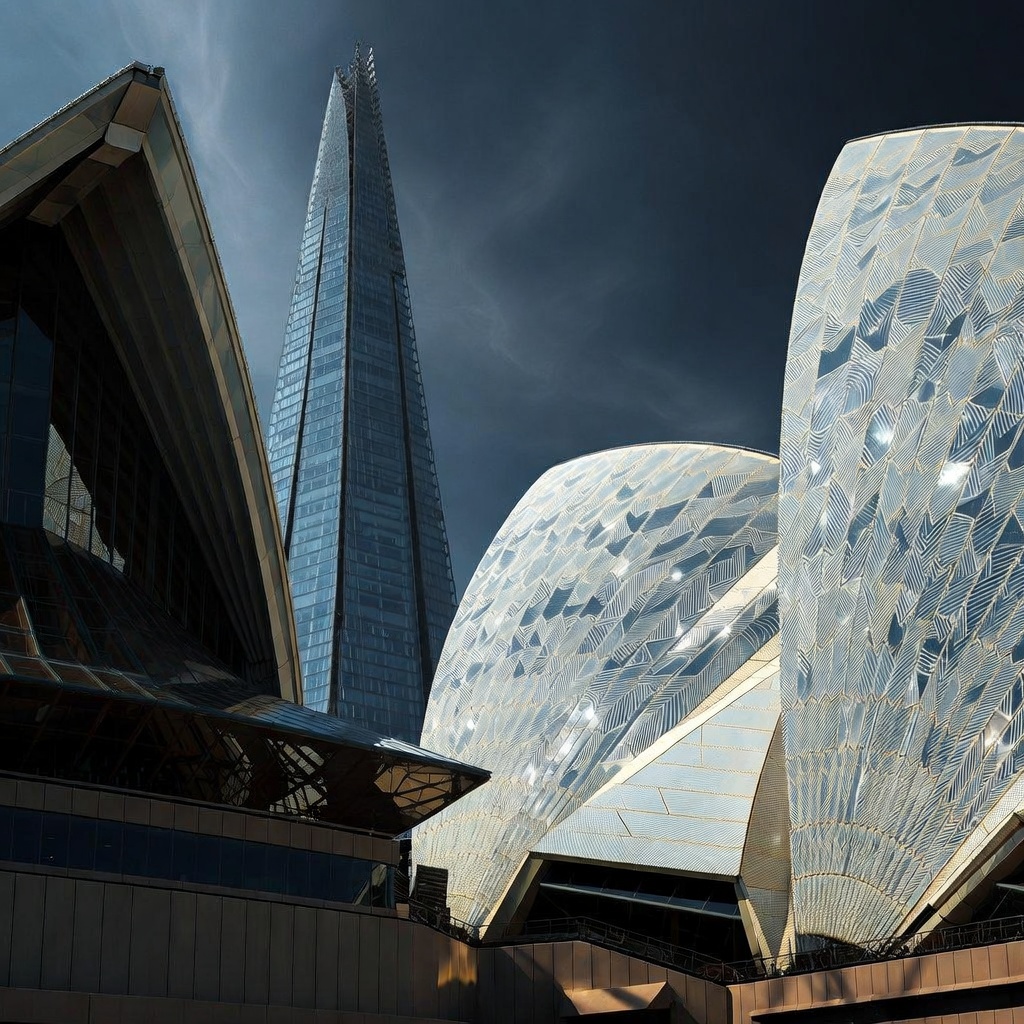
Imagine a skyscraper shimmering under the sun, its exterior not gleaming with virgin glass or steel, but with panels born from the bellies of the sea—recycled plastic waste that’s been fishing nets, bottles, and debris. This isn’t sci-fi; it’s the rising tide of sustainable architecture, where ocean plastic facades are transforming coastlines and skylines. These innovative building skins are more than eco-chic; they’re a practical revolution in materials science, blending durability, aesthetics, and environmental heroism.
At their core, recycled ocean plastic facades are made from high-density polyethylene (HDPE) and other polymers collected from marine pollution hotspots. The process starts with cleanup efforts by organizations like The Ocean Cleanup or Parley for the Oceans, which harvest ghost nets—abandoned fishing gear that ensnares marine life—and single-use plastics drifting in gyres. These are sorted, shredded, melted, and extruded into interlocking panels or tiles. Key features include UV resistance for fade-proof color, thermal insulation that cuts energy costs by up to 30%, and fire-retardant treatments meeting global safety standards. Unlike traditional facades, they’re lightweight (reducing structural load), corrosion-proof in salty air, and fully recyclable at end-of-life, closing the loop on waste.
The concept isn’t new but has surged in the last decade. Historically, plastic pollution awareness peaked with the 1980s Great Pacific Garbage Patch discovery, but architectural application lagged until pioneers like architect Sebastian Cox experimented with bio-composites in the 2010s. A modern milestone is the 2019 Adidas and Parley collaboration for the Ocean Plastic Bottle Pavilion at Milan Design Week, a translucent facade showcasing interlocking recycled bottles. Today, standout examples include the 2023 refurbishment of Amsterdam’s IJboulevard cultural center, clad in 1.5 tons of upcycled nets that mimic rippling waves. In the U.S., Miami’s new eco-resort features facades from Bureo, a company turning skateboards from Bolivian nets into modular surf-inspired panels. Even luxury spots like Dubai’s sustainable hotels are adopting them, proving high-end appeal.
Why does this matter now? Oceans choke on 14 million tons of plastic yearly, killing 1 million seabirds and 100,000 marine mammals annually, per UN reports. Facades like these divert waste— one project can repurpose 500,000 bottles—while architecture guzzles 40% of global energy and materials. They slash embodied carbon (up to 80% less than aluminum cladding) and support circular economies, creating jobs in cleanup and manufacturing. In a climate crisis, with rising seas threatening coastal builds, these facades offer resilience: they’re buoyant in floods and help fund conservation via material sales.
As cities race to net-zero, ocean plastic facades aren’t just greenwashing—they’re a blueprint for harmony between human habitats and the blue planet. Next time you gaze at a modern facade, look closer: it might be whispering stories from the deep, urging us to rethink waste as wonder. The wave is here; will you ride it?
Comments are closed