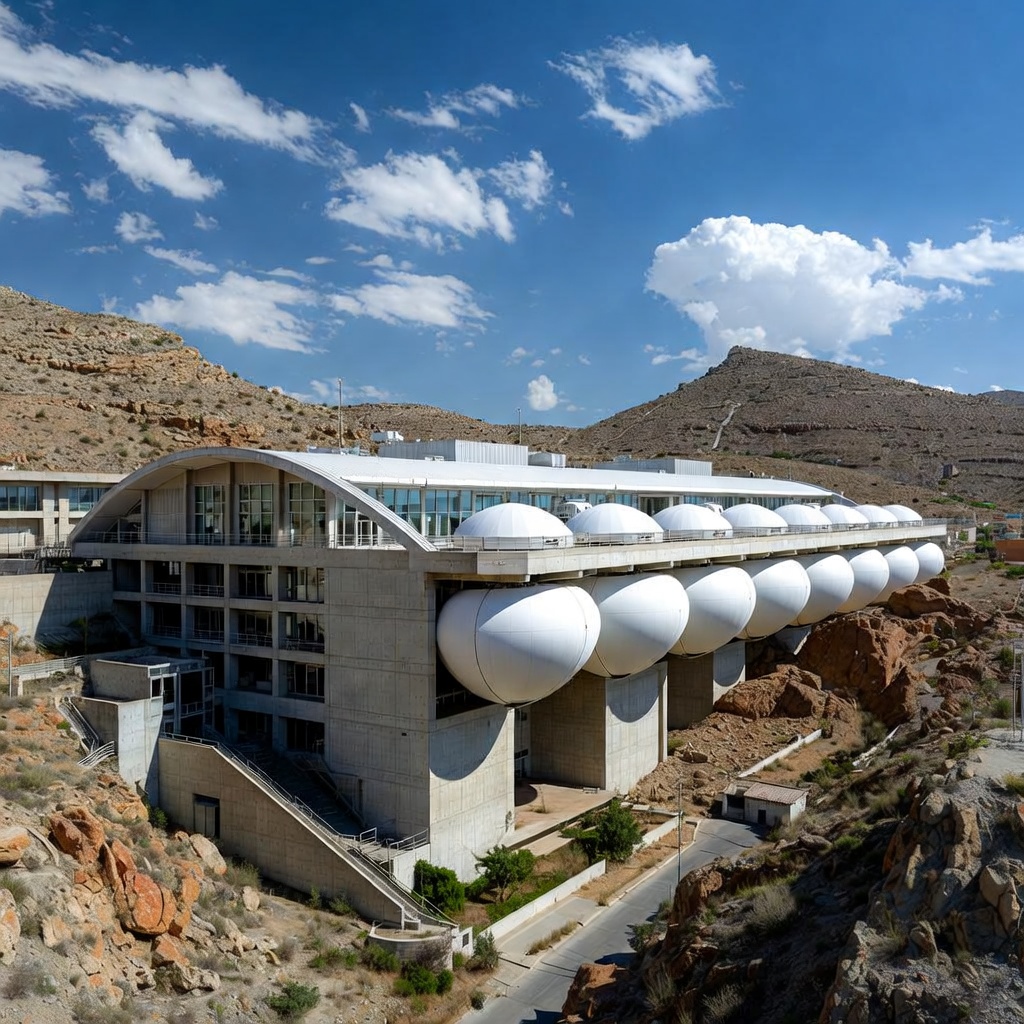
Imagine a massive earthquake ripping through the earth, buildings swaying like drunken sailors—except one stays eerily calm, as if floating on a magic carpet. This isn’t science fiction; it’s base isolation, the unsung hero of earthquake engineering that’s saving lives and skylines worldwide. At its core, base isolation decouples a structure from the shaking ground by inserting flexible, energy-absorbing layers between the foundation and the building above. Think of it as giving your skyscraper roller skates: it rolls with the punches instead of crumbling.
The magic happens through clever components. Lead-rubber bearings are stars here—thick rubber pads sandwiched with lead cores that squash and stretch like giant shock absorbers, dissipating seismic energy. Friction pendulum bearings take it further: curved steel plates let the building slide on a lubricated surface, recentering itself via gravity after the quake. High-damping rubber adds viscous fluids for extra friction, while some modern systems incorporate smart sensors and hydraulic dampers that adjust in real-time. These aren’t just pads; they’re engineered isolators tested to handle forces equivalent to a jumbo jet landing on them, allowing buildings to sway up to 30 inches without panic.
This tech didn’t spring up overnight. Japan’s love affair with earthquakes birthed early versions in the 1960s, but the real breakthrough came after the 1985 Mexico City quake exposed rigid designs’ fatal flaws. Engineers like William Robinson in New Zealand refined rubber bearings, and by the 1990s, base isolation starred in Taipei 101, Taiwan’s iconic bamboo stalk of a tower. Completed in 2004, it features a 660-ton tuned mass damper at the top, but its base isolators—728 of them—proved their worth during the 2011 Tohoku quake’s distant tremors. The building barely flinched while surroundings rattled. Closer to home, San Francisco’s new Transbay Transit Center (opened 2018) sports over 900 isolators, designed to surf a magnitude 8.0 Big One unscathed.
Why does this matter today? Earthquakes don’t discriminate—over 2.5 million people live in high-risk zones, from California’s fault lines to Istanbul’s seismic hotspots. Traditional retrofits are costly and invasive, but base isolation slashes damage by 70-90%, per studies from the Earthquake Engineering Research Institute. It protects not just concrete but contents: hospitals stay operational for surgeries, data centers keep servers humming, museums safeguard treasures. In a warming world with rising populations in quake-prone cities like Tokyo, Jakarta, and Santiago, it’s a game-changer for resilience. New Zealand’s Christchurch rebuild post-2011 earthquakes leaned heavily on isolators, proving they cut repair bills by billions.
Critics gripe about upfront costs—up to 5% more than standard builds—but the math flips post-disaster: isolated structures rebound faster, minimizing economic black holes that can top $100 billion, as in Japan’s 2011 event. As climate shifts potentially tweak fault stresses, base isolation isn’t luxury; it’s essential evolution. Next time the ground growls, these invisible cushions ensure our world keeps standing tall.
Comments are closed