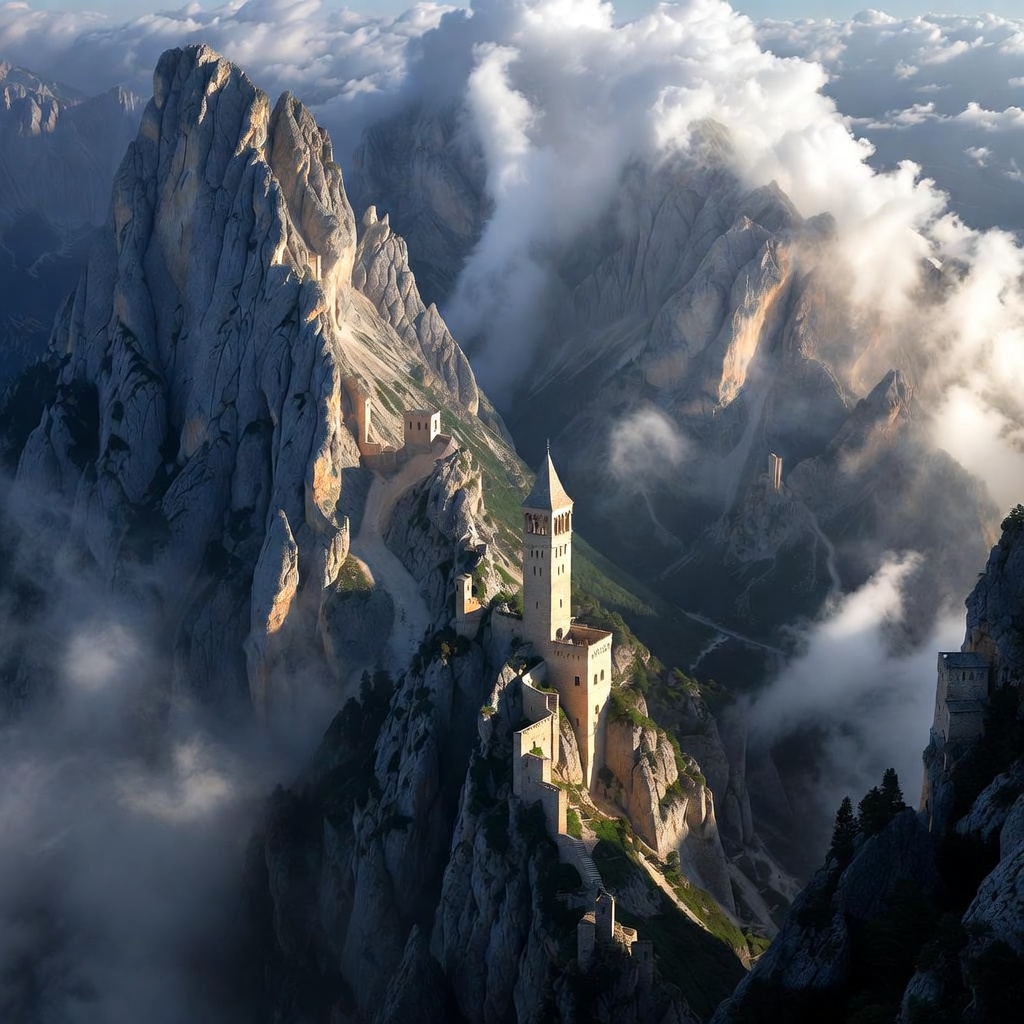
Imagine a highway slicing through the Alps like a gentle ribbon, not a brutal scar, or a ski resort that looks like it sprouted naturally from the granite. This is mountain slope integration at its finest—a clever fusion of engineering and ecology that turns rugged terrain into livable, sustainable spaces. Far from bulldozing nature, it weaves human needs into the mountain’s fabric, minimizing disruption while maximizing harmony.
At its core, mountain slope integration hinges on key features like terracing, bioengineering, and adaptive grading. Terracing, inspired by ancient rice paddies in the Himalayas, carves stepped platforms into slopes to prevent erosion and create stable building sites. Bioengineering amps this up with living anchors: vetiver grass roots knit soil together, while geogrids—flexible mesh reinforced with native plants—stabilize cuts without concrete fortresses. Modern twists include parametric design software that models wind, snow loads, and seismic risks in 3D, ensuring structures mimic the slope’s natural contours. Think retaining walls disguised as rock outcrops or roads with superelevated curves that follow the land’s curve, reducing landslide risks by up to 70%, per Swiss federal studies.
Historically, this isn’t new—Inca engineers in the Andes mastered it 500 years ago, building Machu Picchu’s hanging gardens on sheer cliffs using precise stone-fitting and drainage channels that still function today. They integrated aqueducts and farms so seamlessly that the city blends into the peaks, a testament to foresight. Fast-forward to the 20th century: Italy’s Autostrada del Brennero, opened in the 1970s, pioneered “slope-compatible” tunneling through the Dolomites, using avalanche galleries and vegetation mats to restore ecosystems scarred by World War I battles.
Today’s shining examples? Norway’s E39 highway coastal stretches, where integration slashes visual blight and boosts biodiversity—bird populations have rebounded 40% along revegetated slopes. In Japan, post-2011 earthquake rebuilds in the Tohoku mountains employed “green slopes” with drone-seeded wildflowers and smart sensors monitoring soil moisture. Urban-wise, Hong Kong’s Mid-Levels escalators and terraced high-rises hug steep inclines, housing millions without devouring hillsides.
Why does it matter now? Climate change is amplifying mountain woes: intensified rains trigger 20% more landslides yearly, per IPCC reports, threatening the 1 billion people in global mountain regions. Integration isn’t just aesthetic—it’s survival. It cuts construction costs by 15-30% through reduced earthworks, preserves water cycles (vital for downstream cities), and bolsters carbon sinks as forests regenerate. In a world racing toward net-zero, it future-proofs infrastructure against wildfires and thaws, fostering resilience. Ski resorts like Whistler Blackcomb in Canada now integrate solar-powered lifts and slope greening, drawing eco-tourists and preserving powder for generations.
Ultimately, mountain slope integration reminds us: mountains aren’t obstacles to conquer but partners to collaborate with. By respecting their geometry, we build not against nature, but with it—crafting landscapes as enduring as the peaks themselves.
Comments are closed