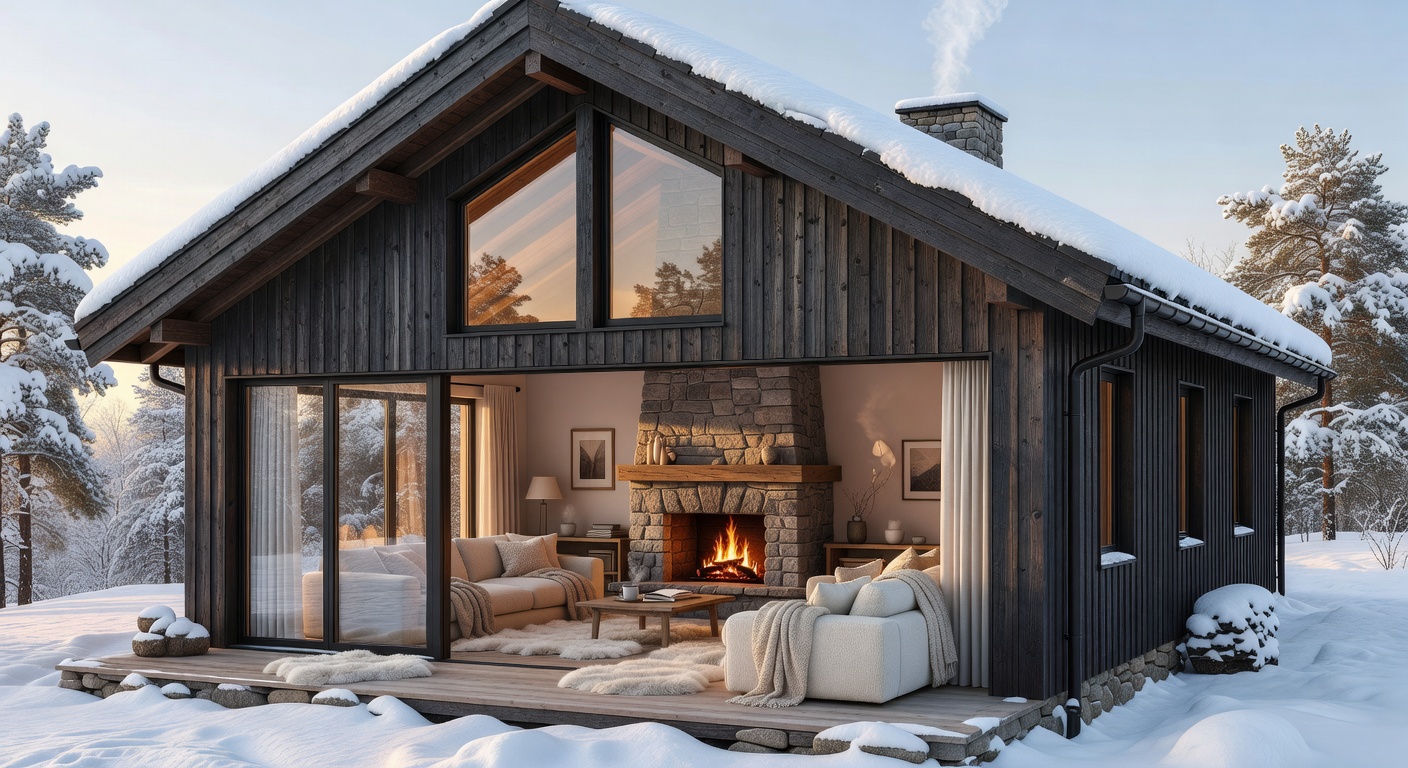
Scandinavian hygge homes capture a quiet revolution in living, where coziness isn’t just a buzzword—it’s a blueprint for contentment. Rooted in Denmark, hygge (pronounced “hoo-gah”) translates loosely to a sense of warm, contented well-being, blending comfort, simplicity, and connection. These homes transform everyday spaces into nurturing havens, prioritizing emotional warmth over opulent displays.
At their core, hygge homes revolve around natural light and texture. Think abundant windows that flood rooms with soft daylight, paired with plush sheepskin rugs, chunky wool throws, and candles—lots of them. Wood dominates: reclaimed oak floors, birch furniture, and live-edge tables that whisper of Nordic forests. Colors stay muted—creamy whites, taupes, and dusky blues—to evoke calm, while strategic clutter like stacked books, ceramic mugs, and family photos adds lived-in charm without chaos. Kitchens often feature open shelving with artisanal pottery, and communal tables invite lingering meals. Fireplaces or wood stoves serve as heartbeats, crackling through long winters.
Historically, hygge emerged from Denmark’s harsh climate and cultural ethos. In the 18th and 19th centuries, Danes faced dark, cold months with communal gatherings around hearths, sharing stories and simple pleasures. The term gained traction in the 19th century through writers like Hans Christian Andersen, who wove hygge into tales of humble joys. Post-World War II, amid economic recovery, it symbolized resilience—Jante Law’s humility ethos discouraging showiness. By the 2010s, global fascination exploded; books like Meik Wiking’s “The Little Book of Hygge” propelled it worldwide, influencing design trends from IKEA’s affordable aesthetics to high-end showrooms.
Modern examples abound. In Copenhagen’s Frederiksberg neighborhood, architect Sigurdur Franklin’s renovated 1920s rowhouse exemplifies hygge 2.0: floor-to-ceiling windows frame a hygge corner with a hanging rattan chair, layered textiles, and a kettle perpetually on for tea. Sweden’s minimalist cabins, like those in the Stockholm archipelago, strip back to essentials—saunas, hammocks by fjords, and cedar-lined interiors. Norway’s off-grid homes, such as the futuristic Snøhetta-designed cabins, fuse hygge with sustainability: solar-powered, with moss roofs and panoramic views that blend indoor coziness with wild nature.
Today, hygge matters amid burnout culture and digital overload. Studies from the World Happiness Report consistently rank Nordic countries top-tier, attributing it partly to intentional living—hygge fosters mindfulness, reducing stress hormones like cortisol by up to 20%, per Danish wellness research. In a fast-paced world, these homes remind us to slow down: dim the lights, light a candle, savor a shared fika (Swedish coffee break). They’re antidotes to minimalism’s sterility, proving that true luxury lies in feeling safe and connected. Whether retrofitting your space with beeswax tapers or building from scratch, hygge invites a softer life—one flicker at a time.
Comments are closed