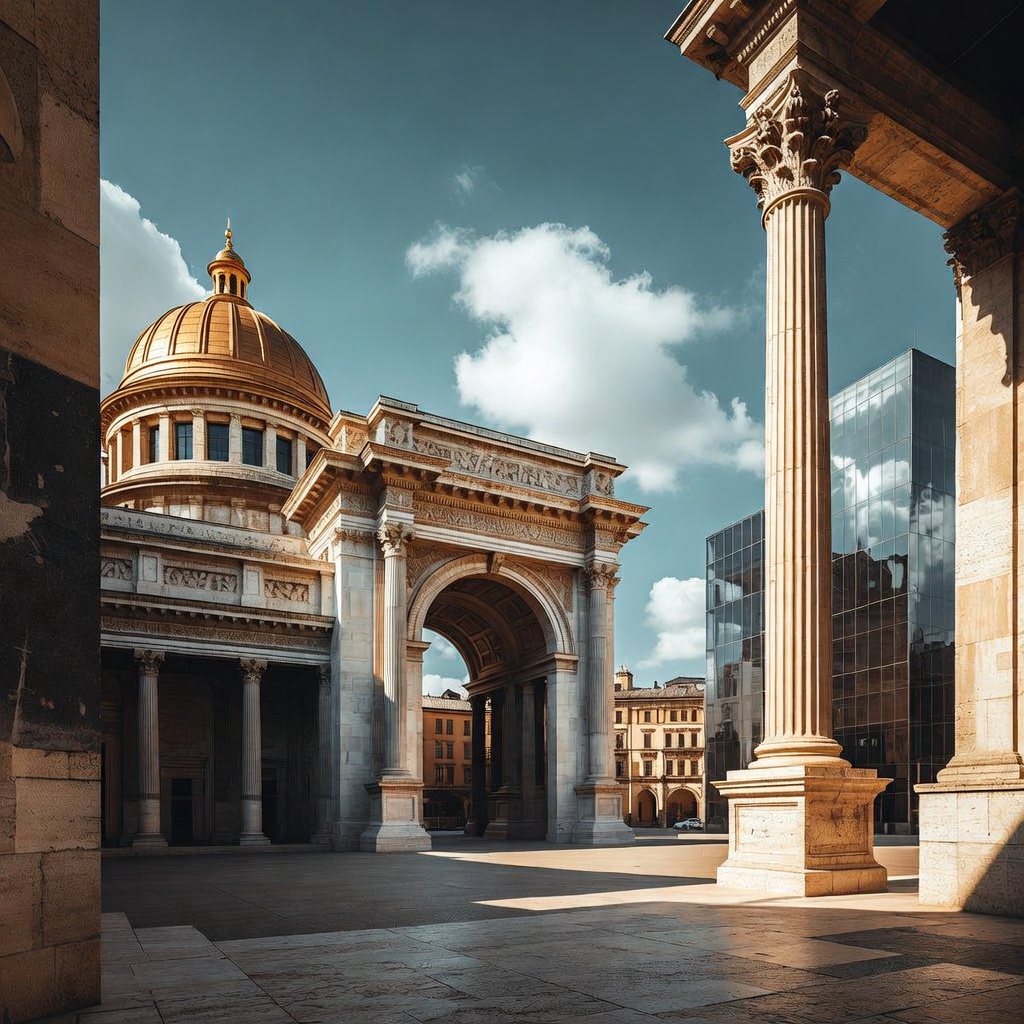
Heritage sites aren’t frozen in time—they’re active players in how societies define themselves amid rapid change. From the layered ruins of Rome to the living rituals still practiced in remote villages, these remnants carry forward knowledge that shapes everything from urban planning to social values. Far from being a niche pursuit for historians, conservation work keeps cultural threads intact while communities adapt to new realities.
The practice spans both tangible landmarks and less visible traditions. Teams restoring Athens’ Acropolis have combined laser scanning with compatible stone repairs to stabilize structures battered by pollution and tremors since antiquity. Similar care extends to smaller scales: artisans in Rajasthan continue block-printing techniques passed down through generations, adapting natural dyes to meet contemporary textile demands without losing regional identity. These efforts protect skills and stories that might otherwise dissolve under mass production.
The stakes extend beyond sentiment. UNESCO-linked research links strong preservation policies to measurable tourism gains, with sites like the Egyptian pyramids contributing billions annually to local economies. More importantly, maintained heritage counters the flattening effect of global media and migration patterns, keeping distinct voices alive. Yet threats mount quickly. Rising seas already lap at Venice’s foundations, while developers in Istanbul weigh Ottoman-era neighborhoods against demands for new housing towers. Climate models predict further losses unless mitigation strategies scale up soon.
Progress often starts locally. In South African townships, residents have turned former detention centers into education centers that document apartheid-era abuses for younger audiences. Digital tools amplify reach—photogrammetry now creates interactive models of threatened temples in Cambodia, letting students anywhere examine details once limited to on-site visitors. Individuals can contribute through city heritage boards, weekend cleanups at historic cemeteries, or support for legislation that ties development permits to archaeological reviews.
Ultimately, these projects form an exchange across eras. Decisions about which buildings to stabilize or which songs to record reveal what each generation values enough to carry forward. That ongoing selection process keeps collective memory functional rather than ornamental, allowing fresh ideas to build on tested foundations instead of starting from scratch.
Comments are closed