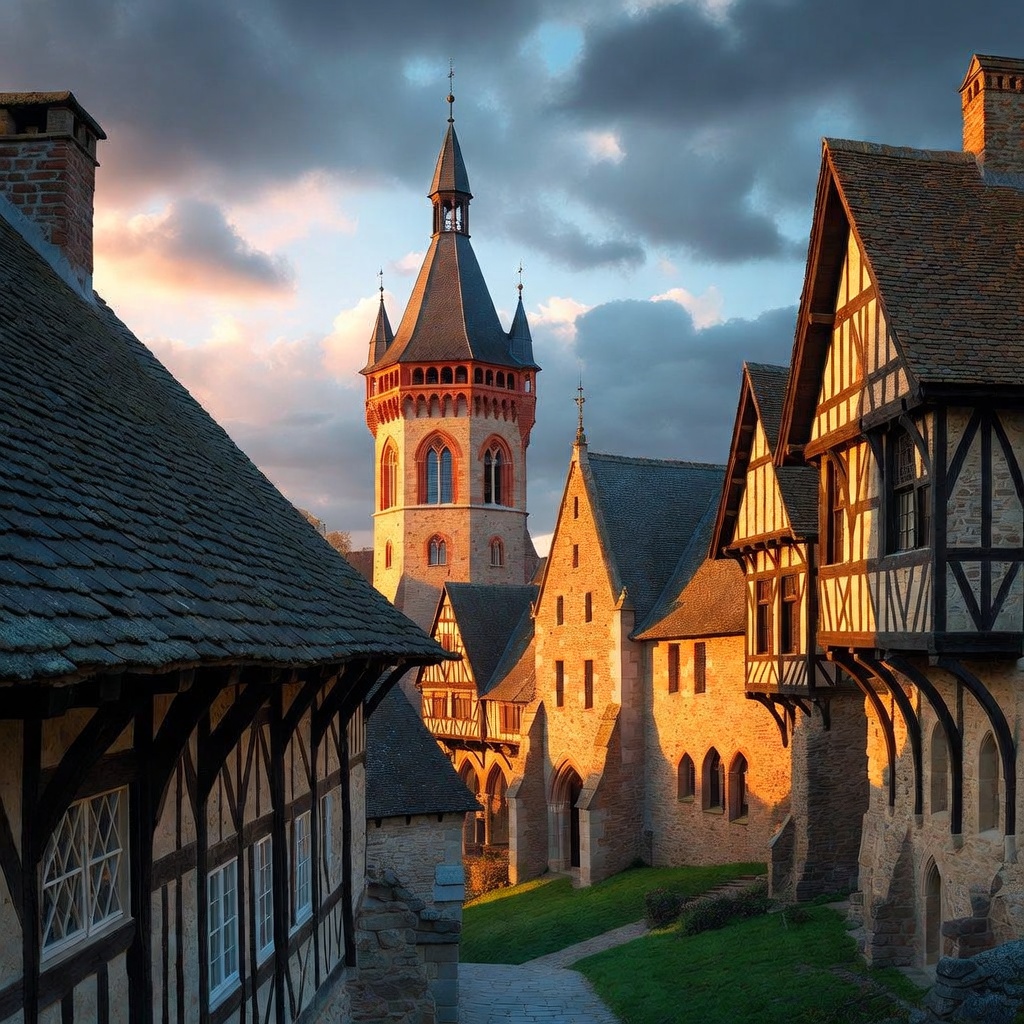
Centuries of hands-on adaptation produced the mud-brick clusters that still dot Morocco’s high desert plateaus, their rounded forms and narrow alleys calibrated to trap shade and channel breezes without any formal engineering. Vernacular architecture is simply that accumulated know-how: buildings assembled from whatever sits close at hand, tuned over generations to local weather, terrain, and daily routines rather than to drawings or imported styles.
That practical focus shows up in countless variations. English cottages once packed thick straw roofs over timber frames to hold heat through months of cold rain. Southeast Asian families raised entire houses on bamboo poles so monsoon water and foraging animals stayed below the living floor. Each choice solved a concrete problem with materials already on site, refined through trial until the result felt inevitable.
The same logic produced striking energy efficiency long before anyone labeled it sustainable. Adobe walls in New Mexico’s pueblos absorb midday sun and reradiate warmth after dark, smoothing out temperature swings without fans or furnaces. Inuit builders packed snow into domed blocks whose trapped air pockets turned lethal cold into livable shelter; a single oil lamp could raise interior temperatures to shirt-sleeve comfort. These techniques used minimal resources because they worked with, rather than against, the surrounding climate.
Cultural identity is woven into the same structures. Japanese minka farmhouses combined post-and-beam frames, sliding paper screens, and deep thatch eaves to create flexible spaces that open to gardens in summer and close tight against winter snow. Across parts of West Africa, raised relief patterns on mud compounds record lineage stories and communal values that residents read as easily as written text. In both cases the buildings reinforce a sense of belonging to a specific landscape and history.
Today, designers under pressure to cut carbon are revisiting these same moves: wind scoops once common around the Mediterranean now appear in contemporary courtyards, and rammed-earth walls are reappearing in low-energy housing. Yet expanding cities and standardized materials continue to erase older examples before their lessons are fully recorded. Keeping the knowledge alive requires more than documentation; it means testing which of those time-tested responses still make sense under present conditions and folding them into new work.
The next time a low stone wall or timber shed appears beside a path, notice how its proportions, orientation, and materials already answer questions about wind, water, and daily use. Those answers remain useful precisely because they grew from direct observation rather than fashion.
Comments are closed