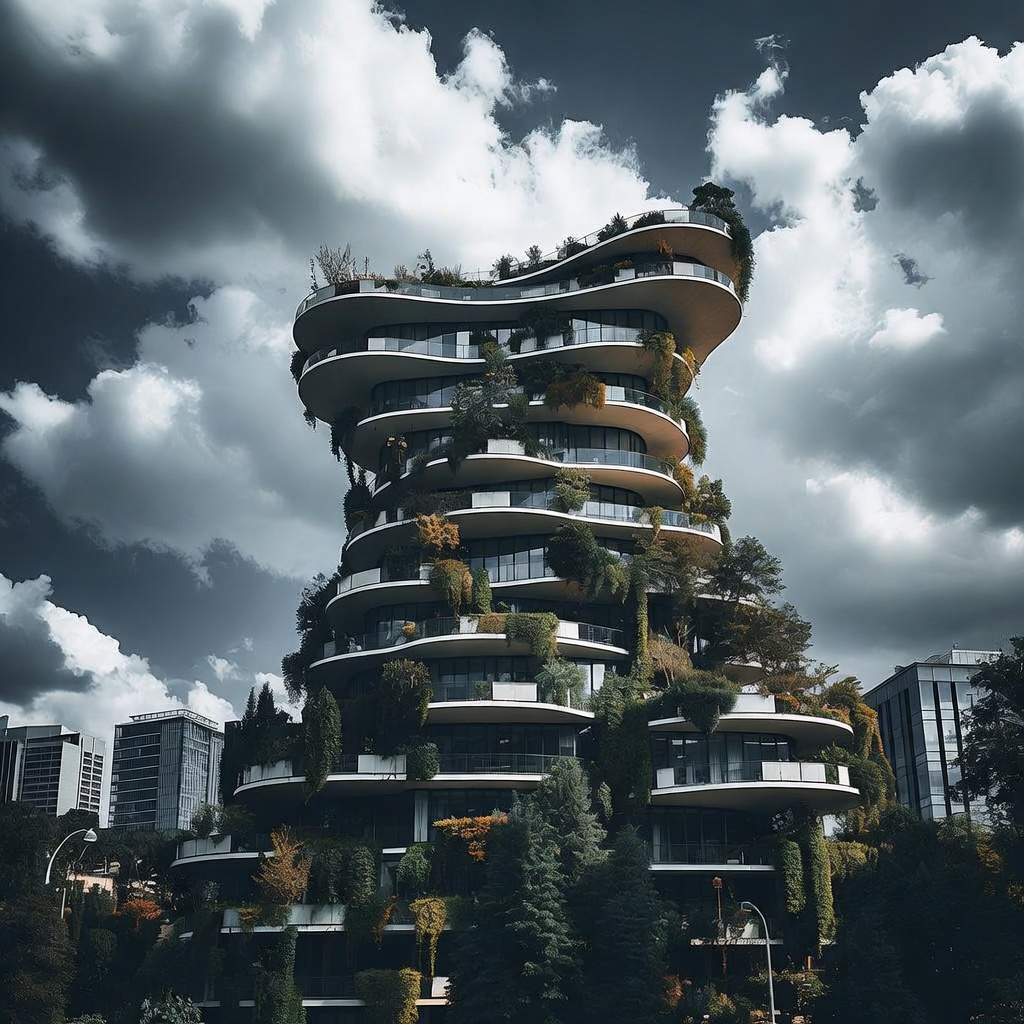
Cities are cramming more people and less room for nature than ever, yet some are flipping the script by turning building sides into productive green layers. Vertical gardens stack plants upward using hydroponics, fabric pockets, or modular frames, delivering fresh herbs and cleaner air without claiming precious floor space. French botanist Patrick Blanc popularized the modern version in the 1980s, and the approach has since spread fast as cities hunt for practical ways to handle heat, pollution, and food access.
Singapore’s Gardens by the Bay showcases the scale possible: its supertrees replicate forest layers while pulling solar power and dropping local temperatures. In Brooklyn, vertical farms tucked onto rooftops now harvest thousands of pounds of produce each year, proving dense neighborhoods can grow food close to where it’s eaten. These setups work because they fit where traditional plots cannot—on balconies, alley walls, or even old billboards.
The advantages pile up quickly. A single vertical surface holds dozens of plants that would otherwise sprawl across ground most apartments lack. The same foliage adds insulation, cutting indoor heat by as much as ten degrees in summer and trimming cooling costs. Species such as ferns and pothos pull pollutants and carbon dioxide while pumping out oxygen. Edible choices—basil, arugula, strawberries, compact tomatoes—shorten supply chains and give residents direct access to flavor without grocery runs. Visually, the walls also lift property appeal and create instant backdrops for everyday life.
Beginners can start small with off-the-shelf kits or simple PVC troughs mounted on a sunny exterior. South-facing spots suit succulents and Mediterranean herbs; shadier walls do better with ferns or peace lilies. Automated drip lines keep moisture steady without constant checking, and lightweight aeroponic systems reduce structural strain on older buildings. Pests show up in humid spots, yet companion planting with marigolds or neem sprays usually keeps them in check. Regular trimming prevents overcrowding and keeps the system balanced.
As urban populations climb, these living walls quietly expand habitat for pollinators, ease stormwater runoff, and offer a steady, low-key way to unwind after work. Milan’s Bosco Verticale towers, wrapped in hundreds of trees, already demonstrate how residential high-rises can double as vertical forests. Whether installed by architects or assembled by neighbors on a shared courtyard wall, the pattern is the same: cities grow outward and upward at once. Stacking plants this way turns leftover vertical space into something useful, breathable, and surprisingly productive.
Comments are closed