In a modest block in Kyoto, residents pass a narrow interior garden each morning where a single camphor tree rises beside the stair, its leaves catching the low eastern light that slips between neighboring roofs. The path is lined with stone pavers set in gravel, and the faint resin scent lingers on coats long after the door closes. Such gestures remain rare in most cities, yet they point toward a quieter way of shaping apartments that acknowledges the body’s need for contact with living matter.
Biophilic strategies here rely less on spectacle than on repetition and texture. Apartment corridors finished in unfinished cedar absorb sound and release a soft warmth under the hand. Balcony edges are cast with a slight inward lip so that soil can collect and moss can take hold without extra irrigation. In one Lisbon project, each unit’s bathroom window opens onto a shared light well planted with ferns; the shifting greens register on the face even when the eyes are half-closed. These details accumulate through daily movement rather than through any single dramatic feature.
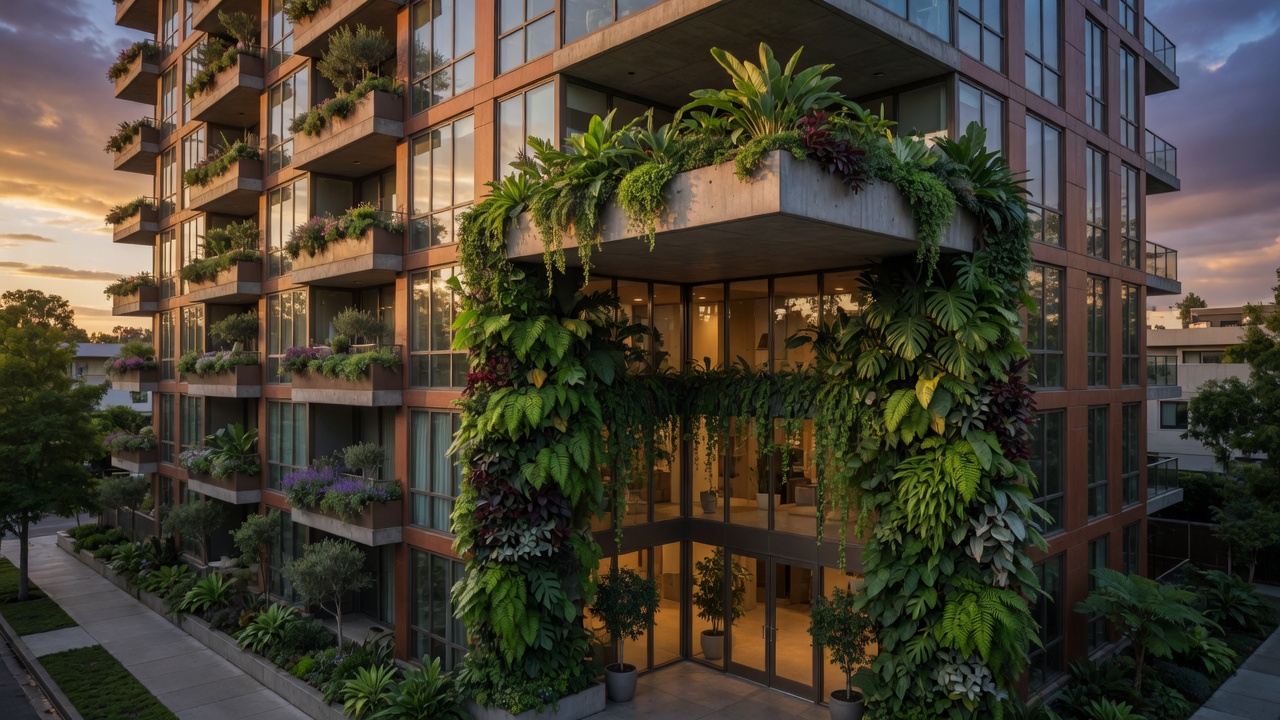
Materials matter as much as plants. Where concrete is left board-marked, it holds dust and lichen more readily than smooth surfaces. Floor plates of thick oak, allowed to expand and contract with humidity, record the seasons underfoot. In Singapore’s older high-rises retrofitted with deep planters, the weight of wet soil is carried by expressed steel brackets rather than hidden structure, so the presence of growth is legible from the street. The result is not an image of nature but a measurable change in temperature and acoustics inside the rooms.
Light remains the decisive element. Clerestory bands set just below ceiling level bring daylight deep into double-loaded corridors that would otherwise rely on electric lamps at midday. In Milan, a recent conversion leaves the original concrete frame exposed while inserting timber screens that filter sun into shifting patterns across living spaces. Residents describe the difference less as brightness than as a sense that time passes visibly on the walls.
The same principle extends to sound. A small fountain recessed into a shared landing in a Seattle building masks the constant low roar of traffic three stories below. The water’s irregular rhythm registers at the edge of hearing, altering the perceived stillness of the apartments that open onto it. Such interventions succeed when they remain modest in scale and tied to the ordinary sequence of entering, climbing, and pausing rather than to any overarching narrative of wellness.