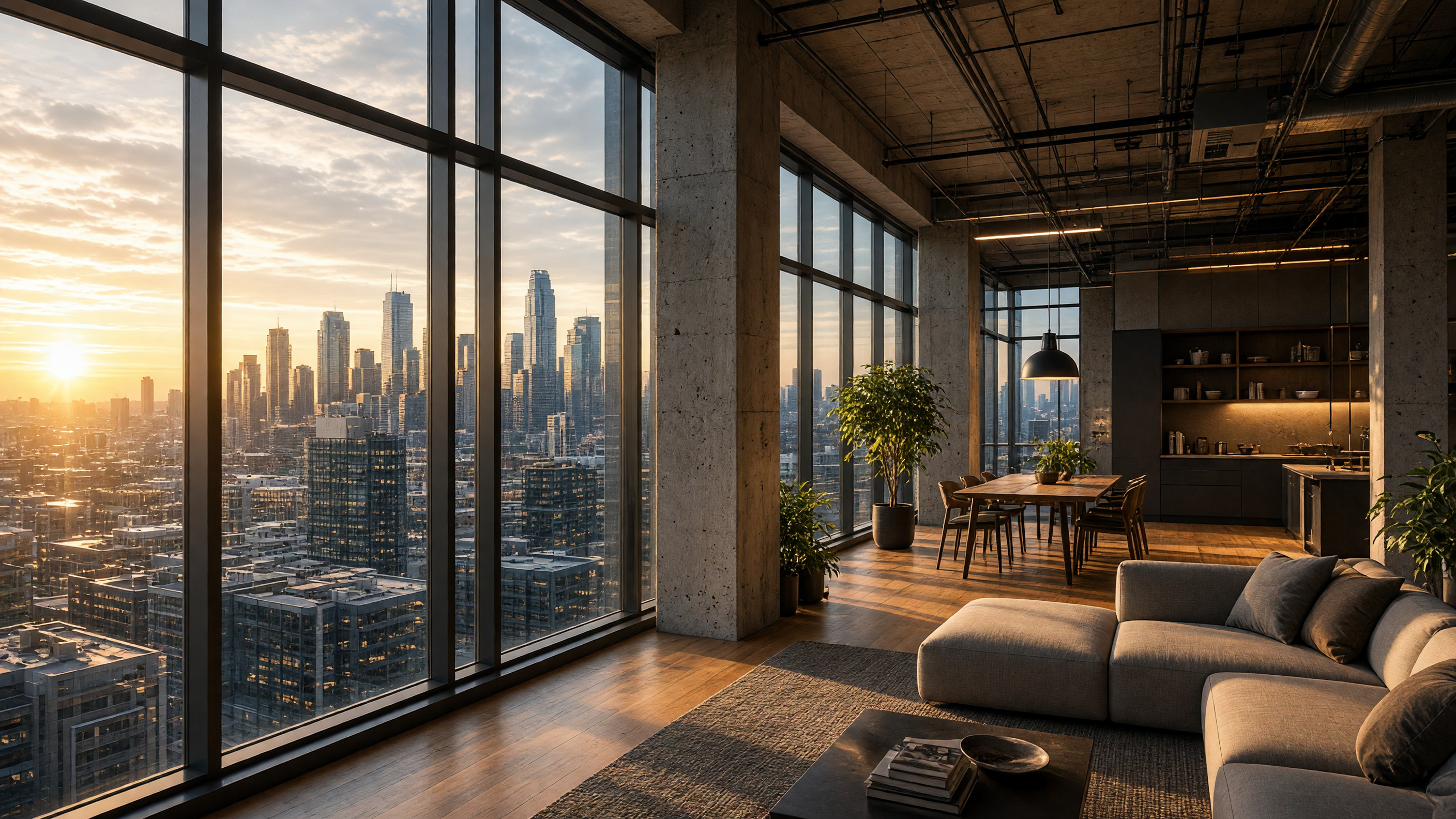
On a Tuesday in March the towers still look occupied. Blinds at half-mast, a lamp left on, the glass holding a late, expensive gold. You stand at the curb and hear almost nothing. The revolving door makes its small, ceremonial circle for a courier who does not come.
This is the new downtown: unlet floors, too deep and too sealed to heat for no one. The conversation has turned to housing. Convert the offices. Put beds where the copy machines hummed.
It is not a simple swap.
The typical floor from 1968 or 1982 is a fat rectangle with a service core like a clenched fist. Forty, sometimes fifty feet of open plan stretch from glass to elevator lobby. That depth was a virtue when the product was desks in rows and a sea of beige partitions. Housing wants a window it can reach. A bedroom more than two rooms from daylight feels like a hotel that forgot the corridor. Designers cut courts into the plate, or they line the glass with living rooms and bury sleeping rooms against the core, hoping a borrowed lightwell will do. Sometimes it does. Often it makes an interior dusk that never quite becomes evening.
Then there is water. An office stacks its toilets and coffee stations in that same core. A dwelling wants a kitchen against the window, a bath that is not a pilgrimage. Risers have to be chased through slabs never meant to be Swiss cheese. You hear the building groan in the drawings before a single saw starts.
What you find when you strip the drop ceiling is often better than what you covered. Waffle slabs. Board-formed concrete the color of weak tea. Columns once boxed in gypsum, now standing in a dining room like accidental sculpture. The raised floor, once a highway for cables, becomes a problem of threshold: every doorway a small step, or a pour that costs a year.
Light changes its job. The west curtain wall that used to bake the afternoon interns now slides across a sofa at four o’clock. People hang curtains offices never needed. They live with windows that do not open, and with the faint hush of air handlers that still think they serve a thousand workstations.
I walked a conversion last fall in a city that used to print money downtown. The corridor was still too wide, a leftover of fire stairs and prestige. Someone had hung a bicycle. From a corner unit you could see the river and, if you leaned, an empty trading floor two buildings over, its screens dark. In the kitchen the owner had kept a strip of old carpet tile, gray-blue like a storm that never arrived.
At street level the change is slower. A grocer where the lobby ATM stood. A stroller in the former porte-cochère. At dusk the towers still glow, but warmer, lower, interrupted by ordinary silhouettes: someone cooking, someone in a towel, someone looking out as if the city had always been theirs.