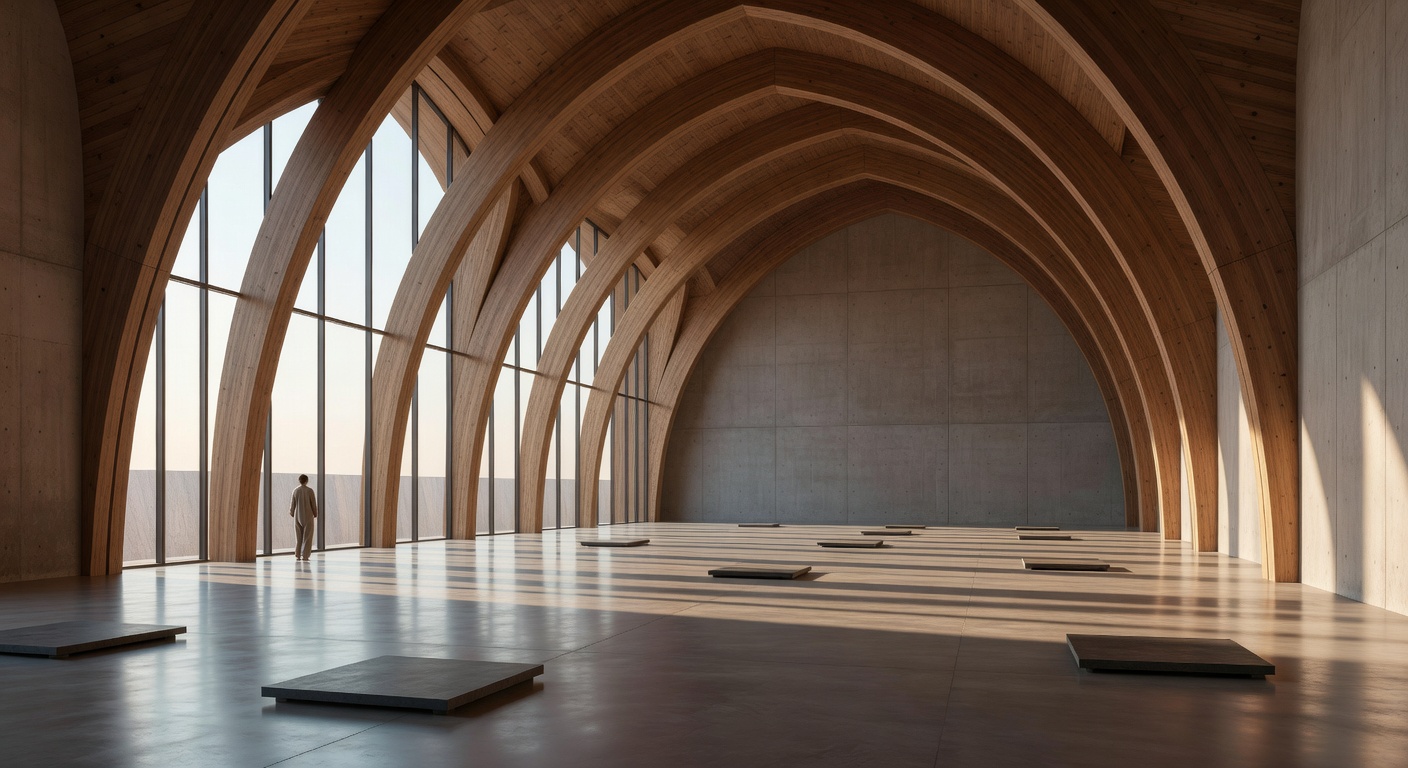
In the quiet corners of bustling cities and online havens, a new kind of sanctuary is emerging—one that invites reflection without invoking deities. Secular spiritual spaces blend mindfulness, community, and wonder into rituals stripped of religious dogma, offering a haven for those seeking depth in a distracted age.
These spaces prioritize shared human experiences over supernatural beliefs. Key features include guided meditations, silent contemplations, and communal gatherings centered on themes like gratitude, impermanence, or interconnectedness. Think candlelit rooms where participants journal about personal values, or circles where stories of resilience are exchanged without judgment. Unlike traditional churches, there’s no sermon, no scripture—just facilitators trained in psychology or philosophy to nurture introspection. Nature plays a starring role too: forest bathing sessions or star-gazing events foster awe through science-backed practices, echoing research from psychologists like Dacher Keltner on how wonder boosts well-being.
Historically, these concepts aren’t entirely novel. The 19th-century transcendentalists, like Ralph Waldo Emerson, championed self-reliance and nature’s divinity sans organized religion. Fast-forward to the 20th century: the Humanist Manifesto of 1933 laid groundwork for ethical living without gods, influencing modern secular humanism. Post-1960s counterculture birthed encounter groups and Esalen Institute workshops in Big Sur, California—hotbeds for humanistic psychology that prioritized emotional authenticity. Today, they evolve digitally and physically. Sunday Assembly, launched in London in 2013, dubs itself a “godless congregation” with sing-alongs, talks on science, and moments of reflection, now spanning global chapters. In the U.S., initiatives like Sam Harris’s Waking Up app deliver meditation for skeptics, while NYC’s The Well hosts “secular Shabbats” with meals, discussions, and no prayers. Even corporations dip in, with Google’s mindfulness programs nodding to this trend.
Why does this matter now? In an era of rising “nones”—Pew Research notes 29% of U.S. adults unaffiliated with religion—people crave ritual’s comfort amid anxiety epidemics and social fragmentation. Secular spaces fill the void, combating loneliness (as Harvard’s Grant Study links strong ties to happiness) through belonging. They democratize spirituality: accessible to atheists, agnostics, or the spiritually curious, fostering resilience via evidence-based tools like cognitive behavioral techniques. Critics argue they commodify the sacred, but proponents counter that they’re adaptive—evolving with neuroscience showing meditation rewires the brain for empathy.
Ultimately, these spaces remind us spirituality isn’t owned by religion; it’s humanity’s birthright. Whether in a Brooklyn loft pondering mortality or a virtual room sharing awe at the cosmos, they cultivate meaning on our terms. As secularism surges, they signal a cultural pivot: from blind faith to enlightened wonder, proving we can be profoundly connected without kneeling to the divine. In a world screaming for attention, these pauses whisper: you’re enough.
Comments are closed