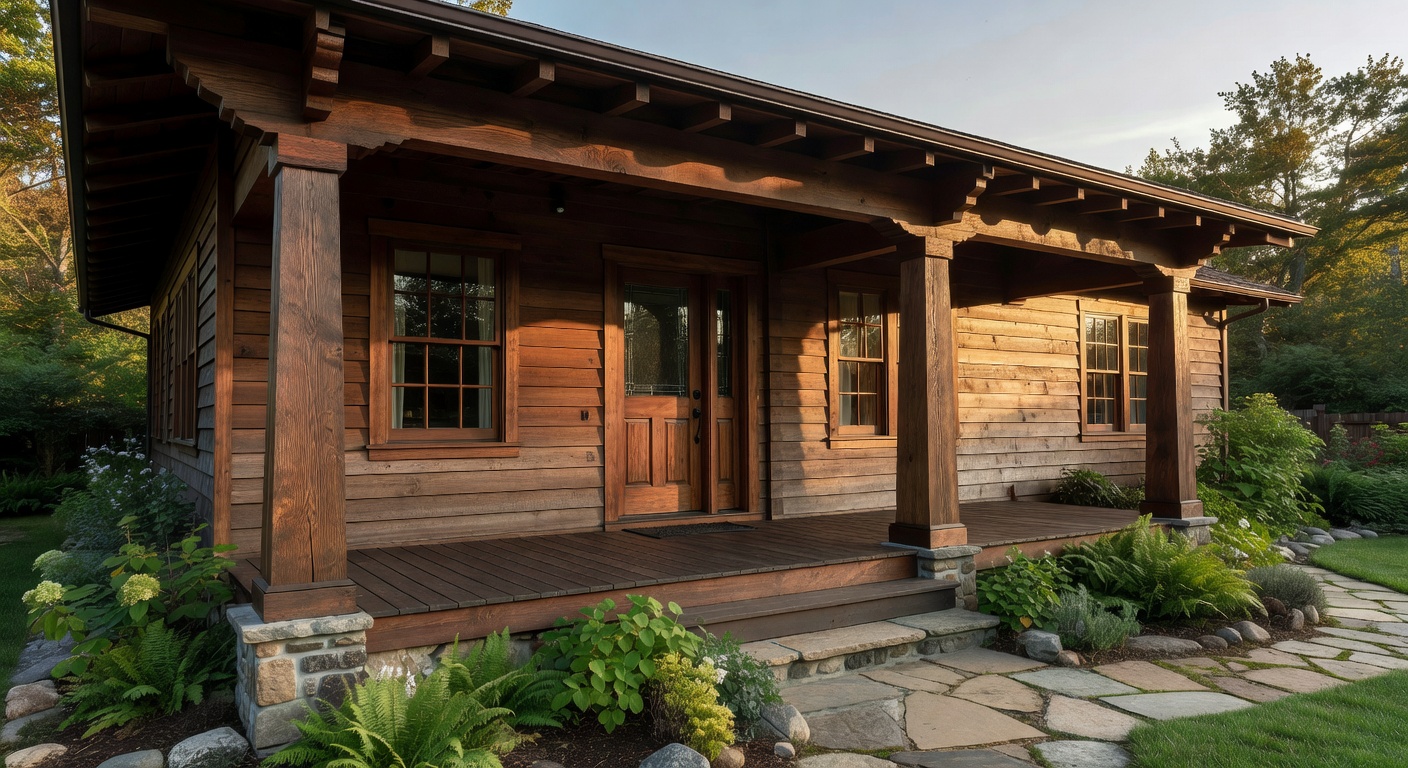
Step into a Craftsman bungalow, and you’re not just entering a house—you’re crossing into an era when craftsmanship meant soul-deep pride. These low-slung gems, born in the early 1900s, embody the Arts and Crafts movement’s rebellion against the frilly excesses of Victorian architecture. Architects like Gustav Stickley and the Greene brothers championed simplicity, honest materials, and handiwork that celebrated the maker’s touch. In America, bungalows exploded in popularity from 1905 to 1930, fueled by mail-order plans from Sears and Aladdin, making middle-class dreams attainable. They dotted suburbs from Pasadena to Chicago, a democratic antidote to ornate excess.
At their core, Craftsman bungalows boast defining details that scream authenticity. Picture a generous front porch, often supported by thick, tapered columns resting on boulder-like bases—inviting you to linger with a rocking chair and evening pipe. The roof? Low-pitched gables with wide overhangs, sometimes adorned with exposed rafter tails that flex like wooden muscles. Windows are a highlight: clustered casements or double-hung sashes with divided lights, framed by wood muntins that catch the light just so. Enter inside, and the magic unfolds—built-in cabinetry lines the living room, with leaded glass doors hiding nooks for books or linens. Fireplaces reign supreme, often clad in river rock or clinker brick, crowned by a sturdy mantel perfect for family photos. Oak or fir floors gleam underfoot, leading to cozy dining nooks where window seats overlook gardens.
These aren’t just pretty features; they’re functional poetry. The open floor plans flow from living to dining areas, maximizing light and air in an age before central HVAC. Kitchens, though compact, feature exposed beams and plate racks—practical for the era’s home cooks. Colors? Earthy palettes of greens, browns, and muted golds, paired with Mission-style furniture: stout oak tables, leather-seated chairs, and stained-glass lamps that glow like embers.
Fast-forward to today, and Craftsman bungalows thrive in modern revivals. Neighborhoods like Seattle’s Fremont or Los Angeles’ Highland Park brim with restored originals, their details lovingly rehabbed. New builds nod to the style too—think prefab kits from companies like Lindal Cedar Homes, blending vintage charm with energy-efficient upgrades like solar panels hidden under gabled roofs. Celebrities like Ellen DeGeneres have snapped up Greene & Greene masterpieces, while HGTV shows like “Fixer Upper” spotlight bungalow makeovers, swapping shag carpet for original hardwoods.
Why does this matter now? In our fast-furniture, disposable world, Craftsman bungalows remind us of durability and intention. They champion sustainability—reusing century-old lumber beats churning out particleboard. Psychologically, their warmth fosters connection; studies from the National Trust for Historic Preservation link such homes to lower stress and stronger communities. Owning or restoring one isn’t nostalgia—it’s a stand for quality amid fleeting trends. Whether you’re eyeing a fixer-upper or simply admiring from the porch swing, these bungalows whisper: build well, live deeply. Dive in, and let the details inspire your own craft.
Comments are closed