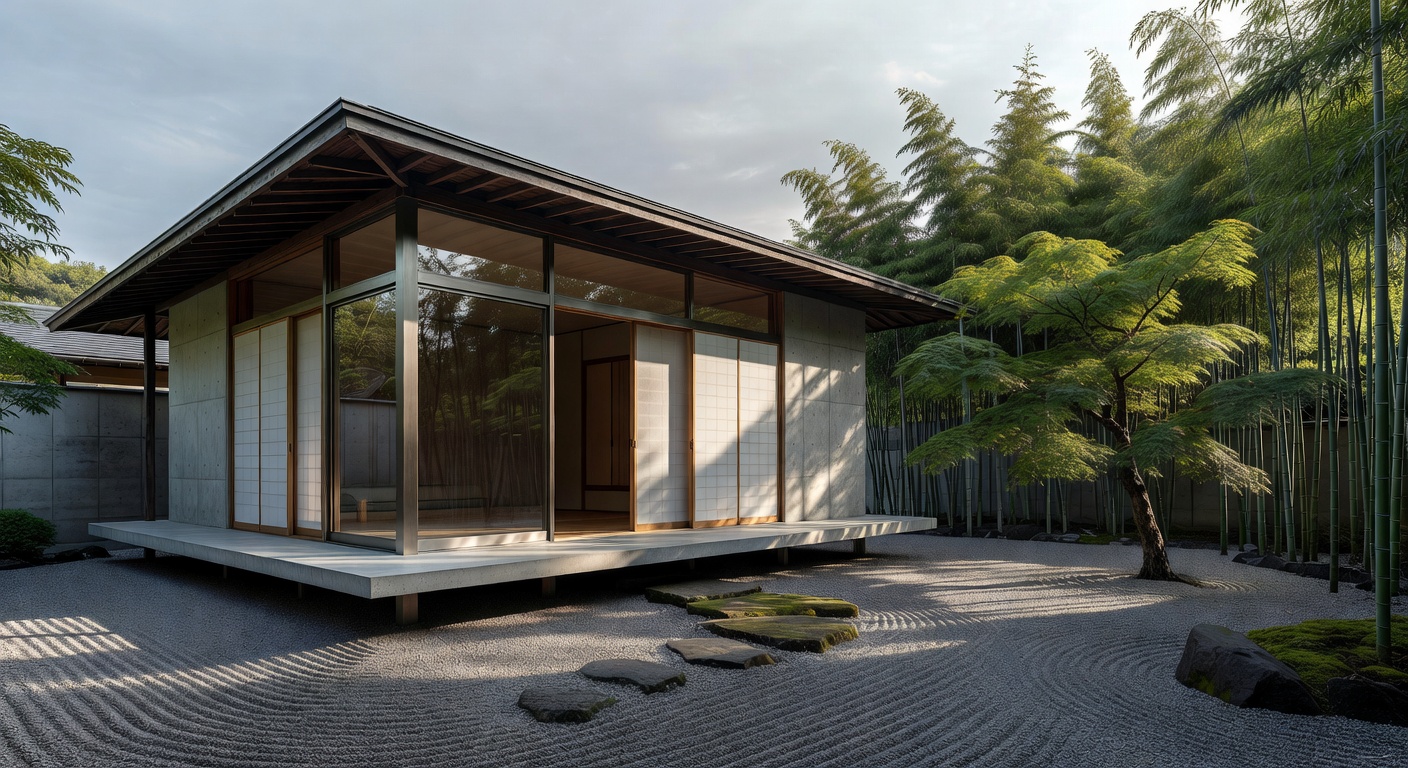
Imagine stepping through a sliding door into a world where the hum of traffic gives way to the soft clink of ceramic bowls and the whisper of bamboo. In bustling cities across Japan, modern tea houses are reimagining an age-old practice, creating spaces that honor tradition while embracing the present.
The history of the Japanese tea house is deeply intertwined with the development of chanoyu, the tea ceremony, which gained prominence in the 16th century under the influence of tea masters like Sen no Rikyu. These early structures were designed as humble huts for contemplation, stripped of excess to focus on the purity of the moment. Today, while the essence remains, modern iterations reflect Japan’s rapid modernization, incorporating elements from international design trends without losing their cultural soul.
Key features of these contemporary establishments include the use of natural light and open layouts that contrast with the enclosed intimacy of classic tearooms. Many feature eco-friendly innovations such as solar-powered heating for the water or walls made from local, sustainably sourced timber. The tea itself might be prepared with precision tools that maintain the ritualistic feel, yet digital reservations and interactive apps guide newcomers through the etiquette. Some houses offer variations like herbal infusions or matcha-infused desserts, appealing to diverse palates while keeping the focus on mindfulness and aesthetic appreciation.
For real-world examples, consider the Tea House at the Imperial Hotel in Tokyo, which combines luxurious modern amenities with authentic ceremony performances. Or venture to Kyoto’s modern spots like the ones in the Gion district updated with contemporary furniture that still respects the low seating tradition. In more urban settings, such as a converted warehouse in Yokohama, architects have created multi-level tea experiences where visitors can observe the process from different vantage points, blending education with enjoyment.
These modern tea houses matter profoundly in our fast-paced society. They serve as sanctuaries for mental health, encouraging people to disconnect from devices and engage in the present through the sensory ritual of tea. Culturally, they help transmit Japanese values of harmony, respect, and purity to younger generations and global audiences. Moreover, by emphasizing sustainability, they align with worldwide efforts to combat climate change, using local ingredients and minimizing waste. In a time of social isolation, these venues foster genuine human connections, whether through shared ceremonies or quiet conversations over a bowl of tea. Ultimately, they demonstrate how tradition can evolve to remain relevant, offering lessons in balance that resonate far beyond Japan’s borders.
Comments are closed