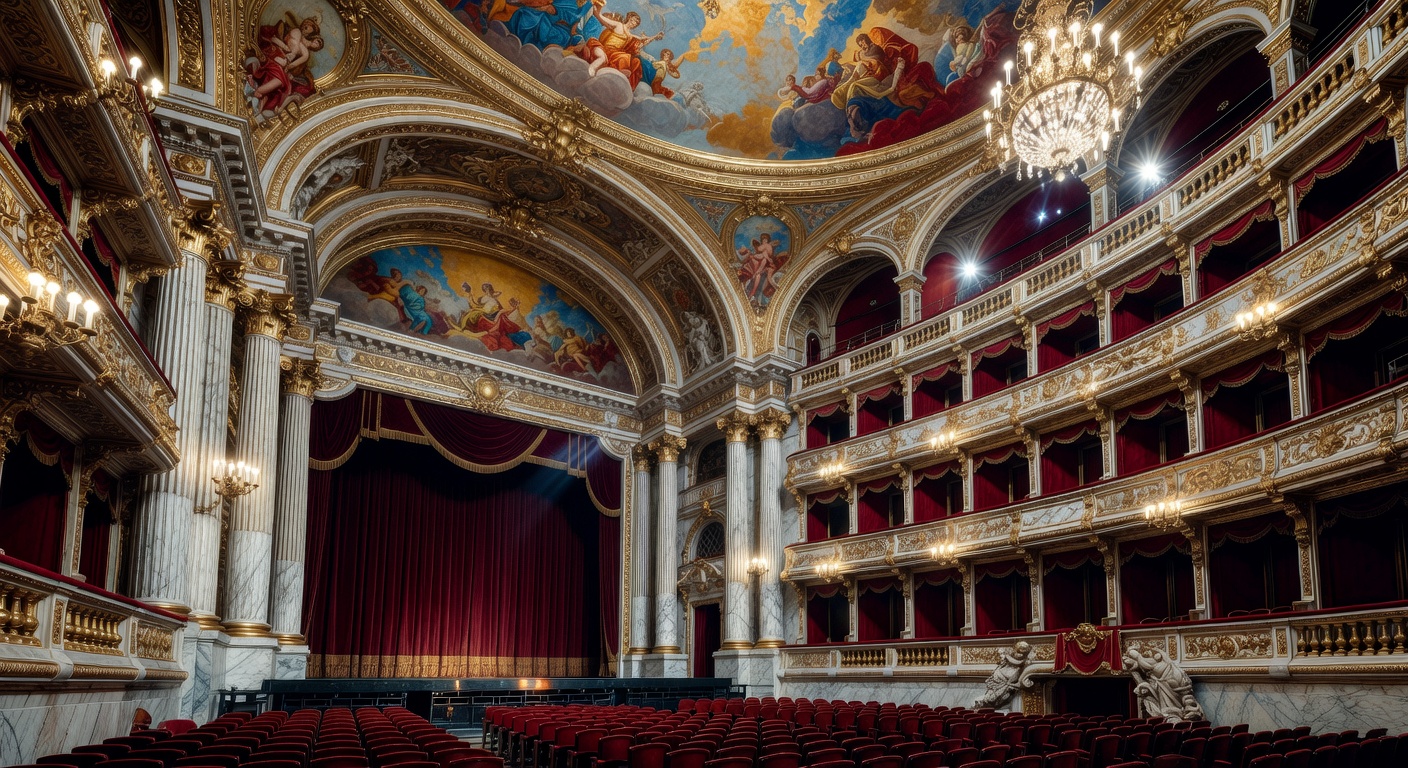
Stepping into a Baroque theater feels like crossing into another era, one filled with swirling forms, shimmering gold, and an atmosphere thick with anticipation. These structures were not mere buildings but carefully crafted experiences designed to overwhelm the senses and elevate the spirit. From the moment you gaze upon the facade or settle into a velvet box, the architecture itself becomes part of the show, blending seamlessly with the performances it hosts.
The Baroque style took root in Italy during the 1600s, amid the turbulence of religious and political upheaval. As the Catholic Church sought to counter Protestant simplicity with opulent displays, architects like Gian Lorenzo Bernini and Francesco Borromini infused their designs with movement and emotion. This approach extended to theaters, where rulers used these spaces to demonstrate their wealth and cultural sophistication. Venues such as the Teatro di San Carlo in Naples, opened in 1737, exemplified this trend with its horseshoe layout and lavish decorations that made every spectator feel like royalty.
Key features define this architectural marvel. Interiors boast intricate stucco work, frescoed ceilings depicting mythological scenes, and cascading chandeliers that cast dramatic shadows. The proscenium arch acts as a picture frame for the stage, often adorned with columns and statues that draw the eye inward. Acoustics were ingeniously planned, using curved walls and wooden elements to amplify sound without modern technology. Audience seating in tiered boxes allowed for social interaction, turning the theater into a microcosm of society where nobles could see and be seen. Stage machinery, including trapdoors and flying systems, enabled spectacular effects like gods descending from the heavens, enhancing the theatrical illusion.
In modern times, echoes of Baroque theatrical architecture appear in restored historic sites and contemporary designs that borrow its sense of drama. The Drottningholm Palace Theatre in Sweden preserves an intact 18th-century Baroque stage with original machinery, offering visitors a glimpse into historical performances. Opera houses like the Palais Garnier in Paris blend Baroque elements with later styles, their grand staircases and ornate halls evoking the same awe. Even in film sets or event spaces, designers incorporate curved lines and lavish details to create immersive environments that hark back to this period.
Why does this matter in our digital age? Baroque theatrical architecture reminds us of the power of physical spaces to foster community and inspiration. In a world dominated by screens, these grand halls encourage live interaction and shared wonder. They stand as testaments to human creativity, showing how architecture can amplify art and culture. Moreover, preserving these sites supports tourism and education, connecting generations to the artistic achievements of the past. By studying them, we learn valuable lessons in balancing function with beauty, ensuring that today’s performance venues continue to captivate and unite audiences just as they did centuries ago.
Comments are closed