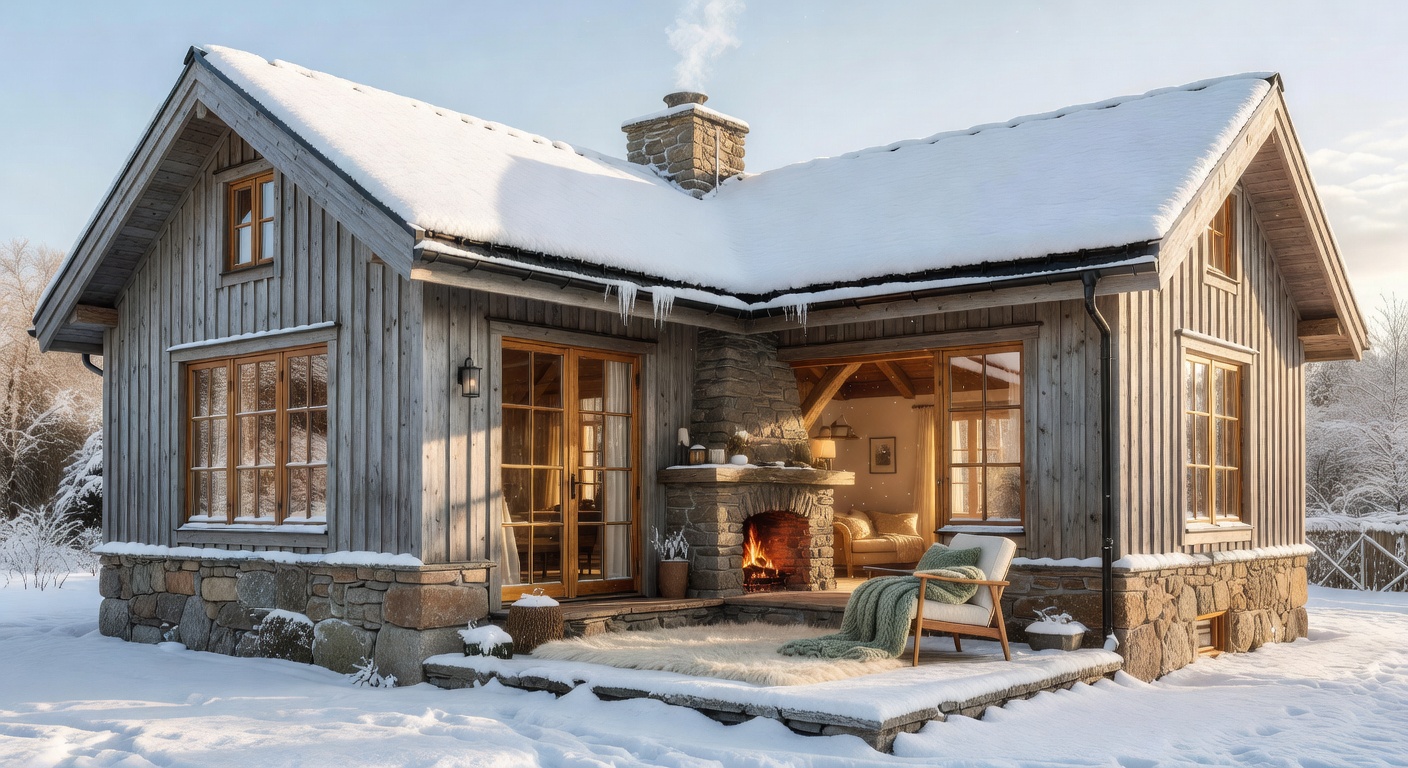
Scandinavian hygge homes capture a quiet revolution in living, where coziness isn’t just a buzzword but a deliberate design philosophy rooted in Denmark’s cultural DNA. Hygge, pronounced “hoo-gah,” translates loosely to a sense of comfortable conviviality, blending warmth, simplicity, and intimacy against the backdrop of long, dark winters. These homes prioritize emotional refuge over ostentation, turning everyday spaces into sanctuaries that nurture the soul.
Key features define the hygge aesthetic with effortless precision. Natural materials dominate: think reclaimed wood floors that creak softly underfoot, sheepskin rugs for plush texture, and linen textiles in muted earth tones—grays, beiges, soft blues evoking Nordic skies. Lighting is non-negotiable; harsh fluorescents give way to clusters of candles (Denmark burns more per capita than anywhere else), ceramic lamps with fabric shades, and fireplaces that flicker like living art. Furniture favors low-slung sofas piled with cushions, ergonomic yet inviting, encouraging lingering conversations. Clutter is banished—open shelving holds ceramics and books, while multifunctional pieces like storage ottomans keep things streamlined. Kitchens often feature copper pots hanging from racks, ready for slow-simmered stews shared with friends. Windows, framed by heavy wool curtains, frame snowy vistas while trapping precious heat inside.
Historically, hygge emerged from Denmark’s 19th-century folk traditions, amplified during the mid-20th-century Scandinavian design movement. Architects like Arne Jacobsen and brands such as Hay and Muuto distilled functionalism into poetic forms—think the egg chair’s enveloping curve or Georg Jensen’s tactile silverware. Post-WWII rationing honed resourcefulness, making “less but better” a mantra that lingers today. In modern examples, Stockholm’s minimalist apartments showcase hygge through smart tech integration: app-controlled underfloor heating pairs with vintage kilim rugs, while Copenhagen row houses update classics with sustainable twists, like moss-covered walls for biophilic calm.
Why does hygge matter now? In our hyper-connected, burnout-prone world, these homes offer a blueprint for mindful living. Studies from the World Happiness Report consistently rank Nordic countries tops, crediting hygge’s emphasis on relationships over possessions. Amid climate anxiety and remote work booms, hygge promotes energy-efficient coziness—layered textiles insulate without excess power, and communal meals foster resilience. Adopting it means curating joy: dim the lights, brew herbal tea, invite loved ones. It’s not escapism; it’s empowerment, proving that true luxury lies in feeling utterly at home.
Scandinavian hygge homes remind us that design can heal. By weaving tradition with today’s needs, they invite us to slow down, connect deeply, and find warmth in the ordinary. Your space awaits its hygge glow.
Comments are closed